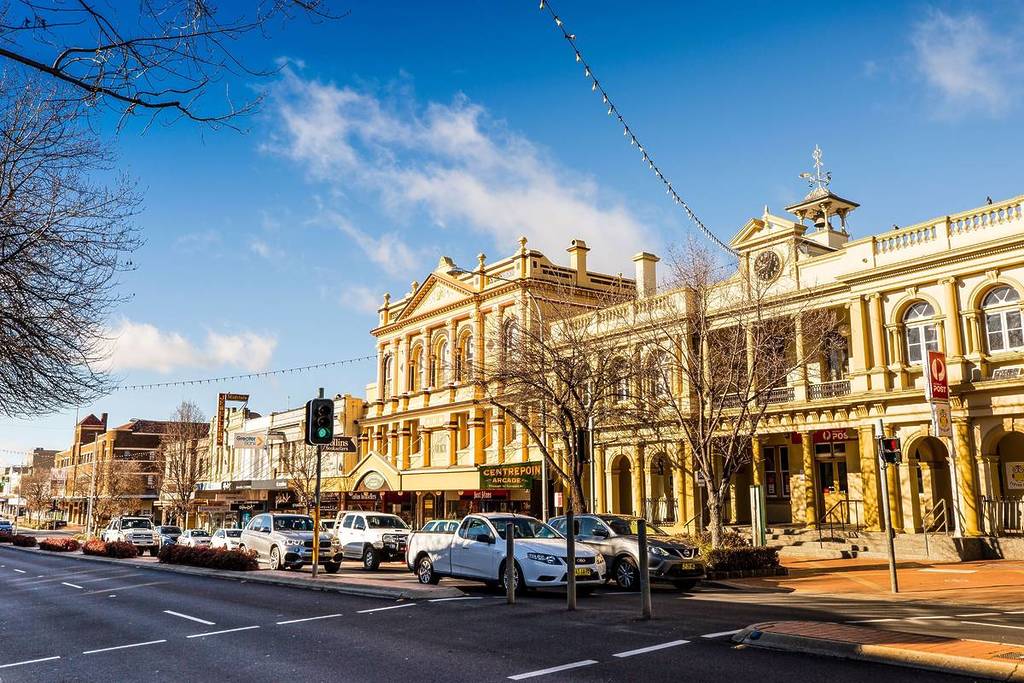

From Blackheath and Bowral to hidden gems like Tumut, many towns around NSW claim an autumn transformation, but Orange arguably remains the state’s definitive destination for the season. Touted as “Australia’s Colour City“, Orange earns the moniker as entire streets of elms, maples, and poplars turn in unison to shades of copper, gold, and crimson. The secret is the altitude. Sitting 900 metres above sea level on the foothills of Mount Canobolas, Orange hits peak colour earlier than most NSW towns, and May is the best time to visit. The country town also boasts quaint cafes, boutiques, vibrant scenery and beautiful gardens that are at their prettiest right now. Here’s how to make the most of an autumn trip to Orange.
Things to do in Orange in autumn
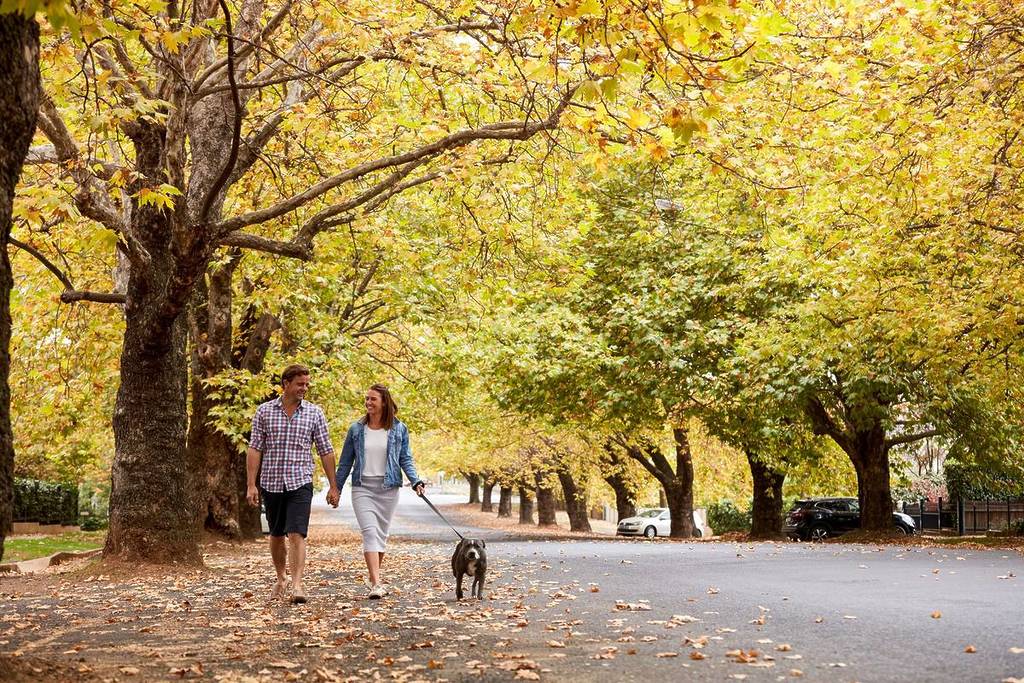
While the foliage is the primary draw, there’s plenty more to see and do around Orange this time of year. If you’re going for the autumn hues, Byng Street is the one people head to first, and for good reason — the entire stretch turns at once, with rows of century-old mature trees creating a full canopy of colour. Hill Street runs a close second, with equally bright colours and fewer crowds. For a more manicured experience, Cook Park sits in the heart of town, with 4.5 hectares of parkland that burst with pockets of colour. Pack a picnic or go on a self-guided walk here to learn about the origins of the park, which dates back to 1873.
The Orange Botanic Gardens on the northern edge of town is another must-visit highlight with open lawns, lakes, quieter trails, and plenty of colourful corners. For a change of pace, drive up to Mount Canobolas, an ancient volcano, and enjoy panoramic views, walking trails, picnic areas, and a serene campground if you want to stay a while. It’s also worth making the 20-minute detour to Millthorpe; the entire village is National Trust-listed, and its vintage buildings and charming main street offer a rustic, atmospheric take on the season.
Other ways to enjoy the town
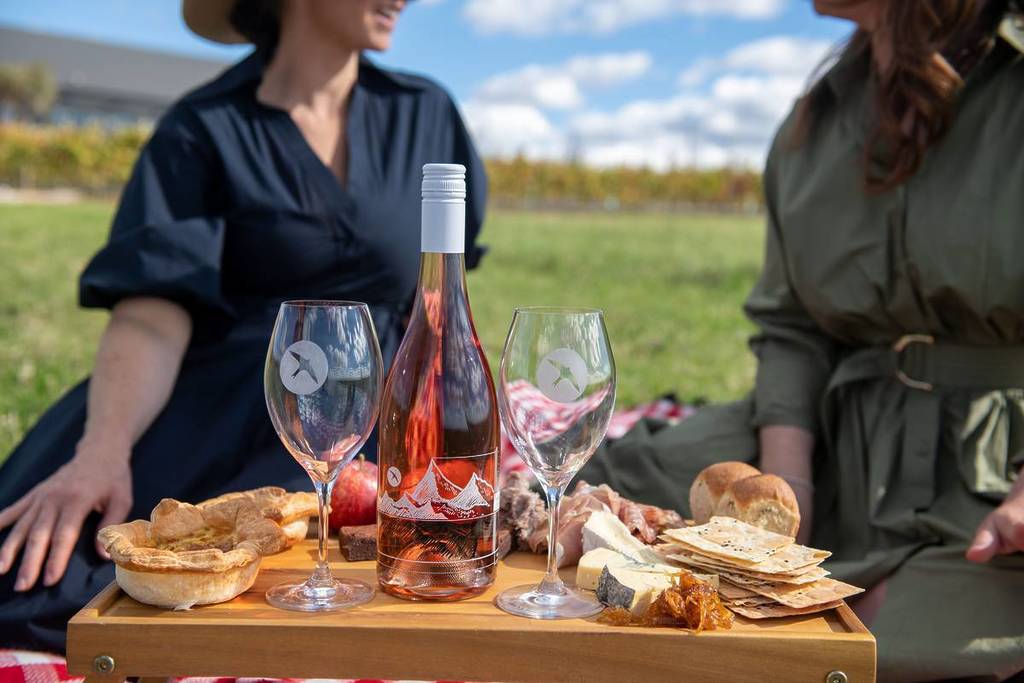
Orange’s food and wine scene is equally high-calibre. Nashdale Lane and Swinging Bridge are standout options for cool-climate Chardonnay and Pinot Noir, while Printhie Wines provides a more formal dining experience at its estate along with winery tours.
Back in town, the cafe scene holds its own. You’ll find quality coffee, good bakeries and stellar restaurants for a proper meal. Good Eddy and Byng Street Local Store are central staples for coffee, while Anything Grows offers a seasonally focused menu in a courtyard setting. Other local favourites include Groundstone Cafe, a breezy, light-filled space ideal for brunch, Village Bakehouse for award-winning pies, sweet treats and pastries, Academy Coffee Roasters for speciality brews, and Spilt Milk for ice cream and desserts.
If you’re keen for a proper meal, make a beeline for Lucetta and enjoy modern Italian fare or make your way to Mr Lim for a punchy Korean-Chinese menu that always delivers. Summer St Wine Room is a recent addition to the culinary scene that wine lovers will enjoy, and Raku Izakaya is another reliable choice for high-end Japanese cuisine and delicious cocktails in a cosy, intimate space.
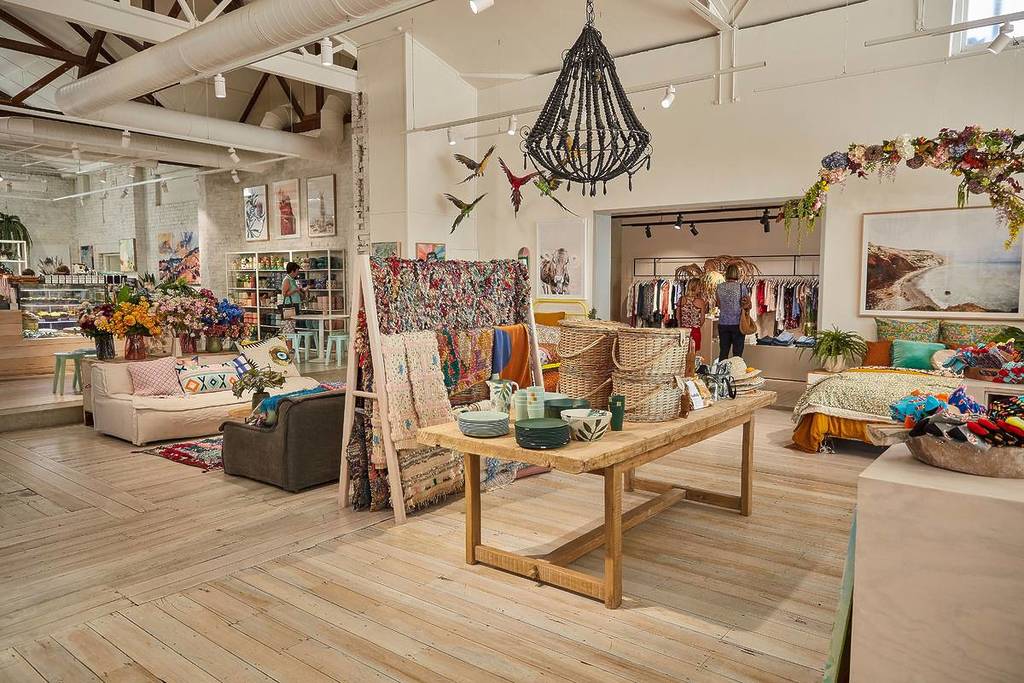
The town is also well-known for its independent boutiques. The local outpost of Dirty Janes is a well-known stop for vintage and antique finds while The White Place provides a space for clothes, homewares and lifestyle products. Also well worth a visit is Jumbled, housed in a renovated Masonic Hall built in 1864 and The Corner Store Gallery is an excellent spot to pick up a souvenir. If your visit aligns with the second Saturday of the month, the Orange Farmers Market at the showground is the best place to pick up fruit and veg, gourmet treats, artisan goods and more. Read more about Orange and find accommodation options here.
Getting there
Orange is about 3 to 3.5 hours’ drive from Sydney via the Blue Mountains, making it an easy weekend trip. If you prefer to skip the drive, NSW TrainLink runs direct services from Central to Orange, with the journey taking around 4.5 to 5 hours, and dropping you close to the town centre. Once there, most of the main streets, parks and cafes are walkable, but you will need a car to reach the wineries and cellar doors. Plan your travels on Transport for NSW.