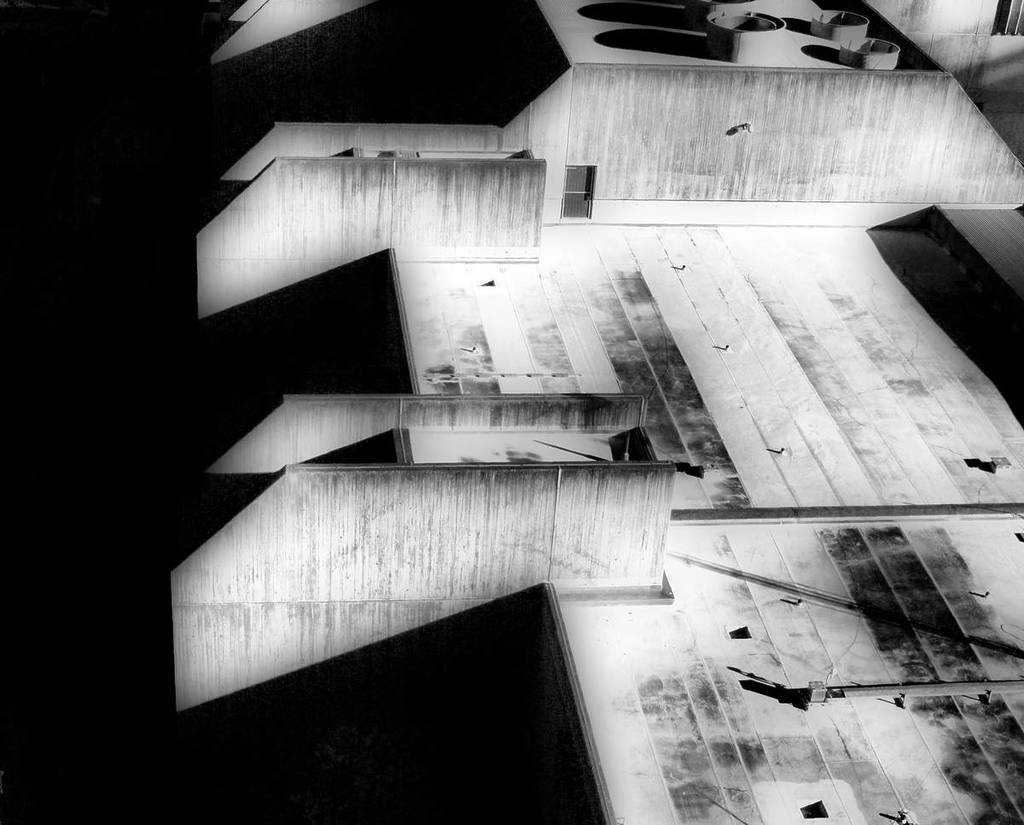
Sydney’s Brutalist architecture stands as a stark counterpoint to the city’s sun-drenched coast, lush parklands and national parks. Built largely in the 1960s through to the 1980s, these monumental concrete forms were usually conceived with a strong social purpose. To house the working class, accommodate civic functions and basically shape spaces for education and culture were amongst these reasons.
Yet, no one expected their raw, unadorned presence to long divide public opinion; admired by some for their honesty and boldness, derided by others as oppressive or out of place in such a wild city. This tension between Sydney’s rugged Brutalist landmarks and its celebrated natural beauty creates a compelling dialogue about how architecture reflects the mere materialistic form, but also the values and contradictions of the society that built it.
Ku-ring-gai College of Advanced Education
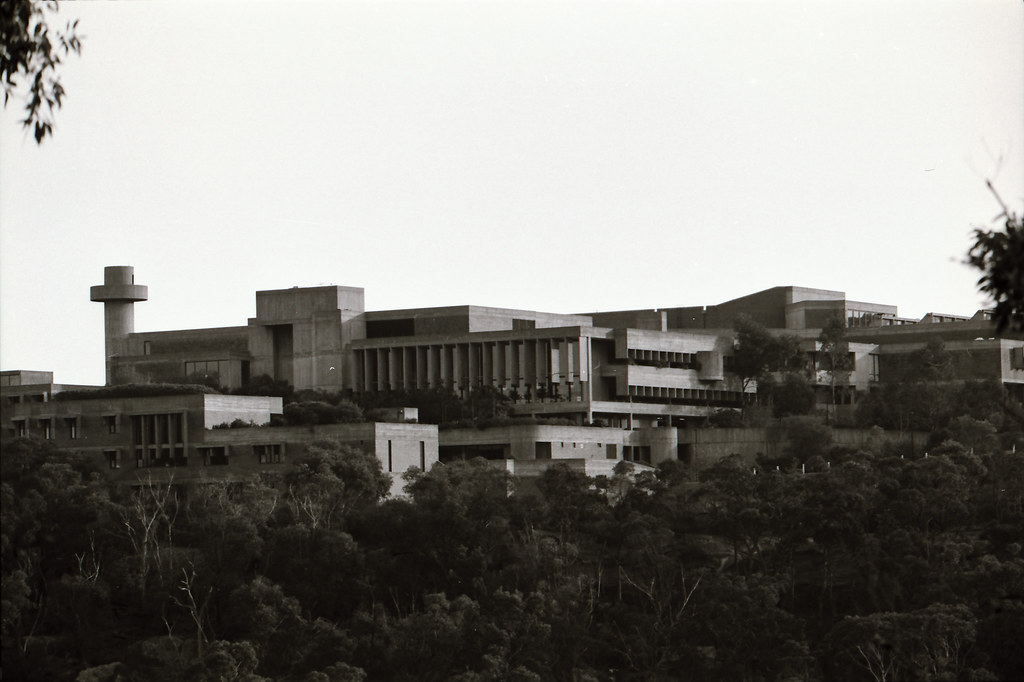
Ku-ring-gai College of Advanced Educationl has casually adorned itself with some of Sydney’s most striking Brutalist architecture, and—by no means to sound condescending—has, as a high school, led the architectural field in unexpected ways. Its campus fuses mid-century innovation with contemporary educational design, evolving from doughnut-shaped classroom clusters to the rare Binishell dome, built with experimental inflatable formwork technology. True to its purpose, the school continues to run its course as a place where creativity is cultivated, engendering artists before they step out into the wider world.
Warringah Civic Centre and Council
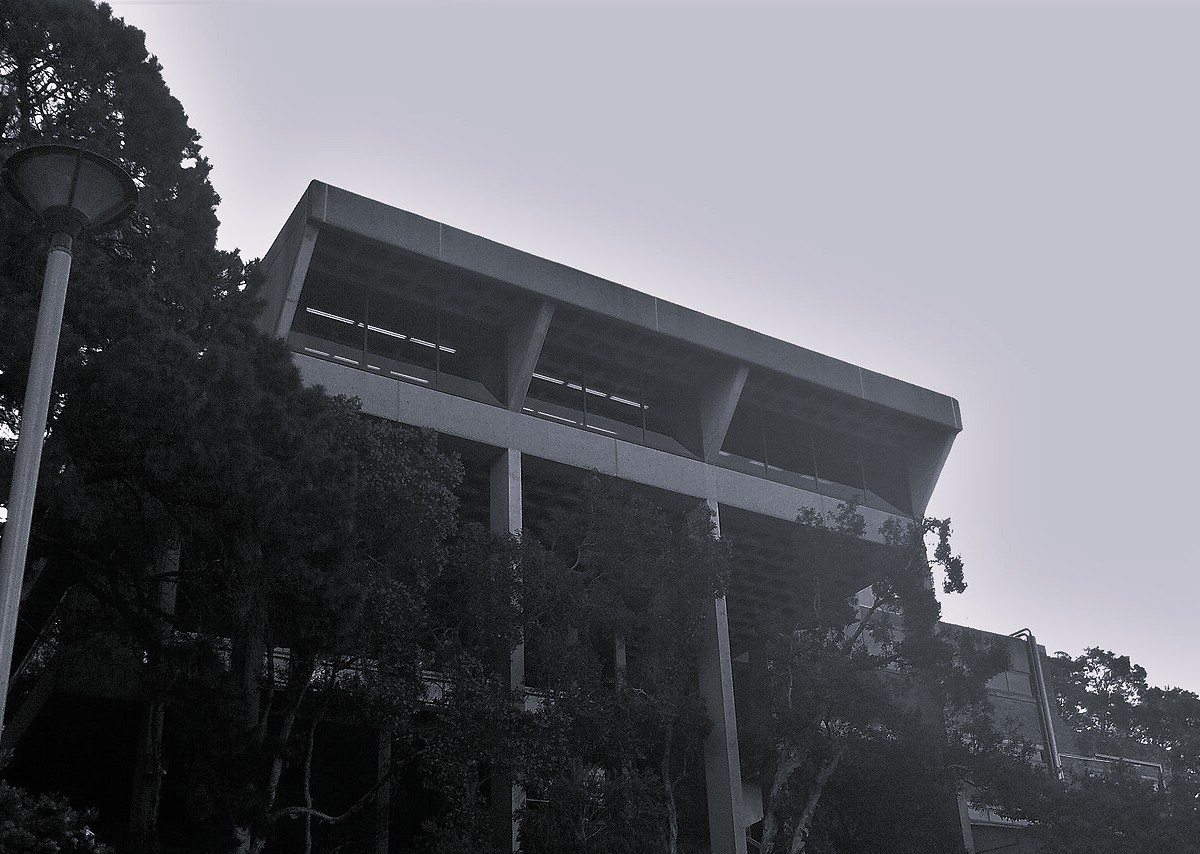
A purpose-built piece of concrete art, the Warringah Civic Centre (now part of the Northern Beaches Council) was created to house local government and serve as a civic hub for the community. It stands as a bold architectural statement in the finest Brutalist tradition. The site itself is commanding—beautifully resolute and majestic—often described as a “civic acropolis” perched on a sandstone rise. Its concrete form carries visitors into an interior ramp that links its levels, not just functional but also symbolic: a gesture of accessibility and participation, embodying the democratic process in built form.
Sirius Apartments
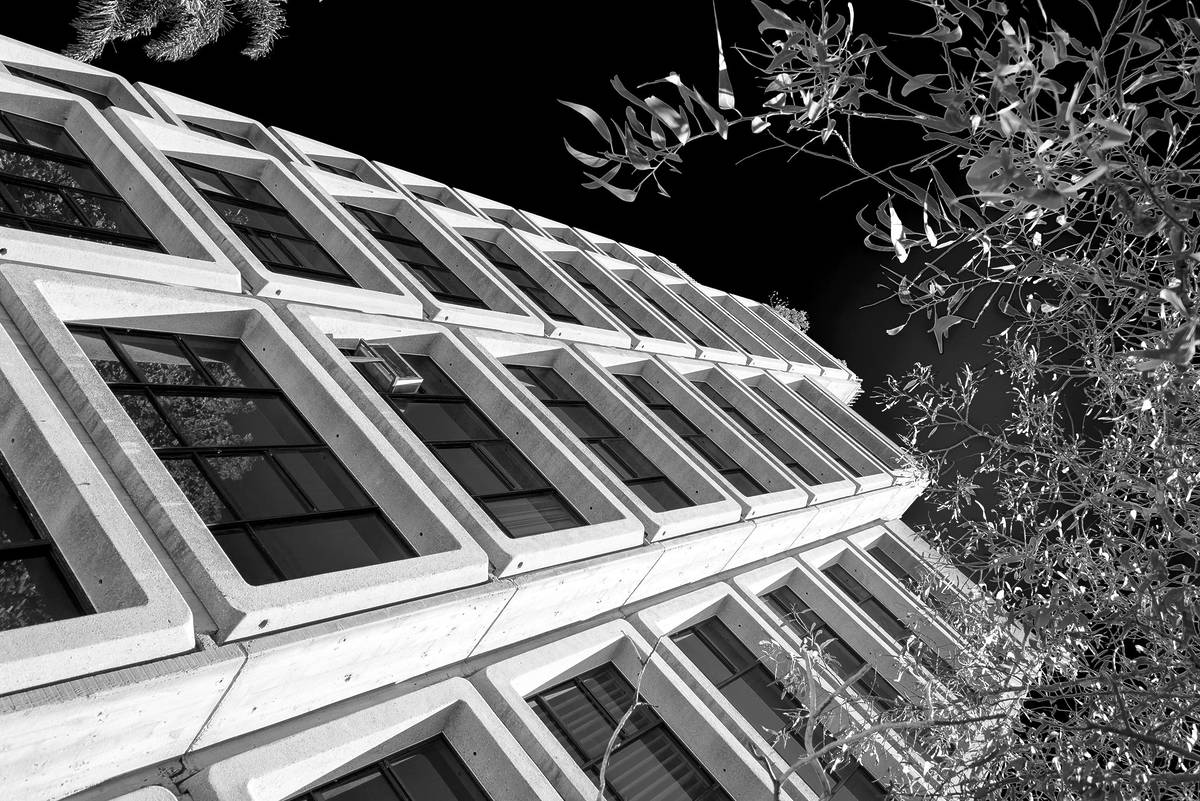
The Sirius Apartments are one of the most iconic staples of Sydney’s brutalist scene; if you’ve ever seen them digitally or in person, you’ll understand why. With their geometric forms and raw concrete, they perfectly embody the movement’s aesthetic. Designed in the late 1970s to provide public housing, their bold cantilevered balconies make them instantly recognisable. Beyond their architectural significance, they represent both the optimism of post-war social housing and the ongoing debate over urban preservation.
Sydney Masonic Centre
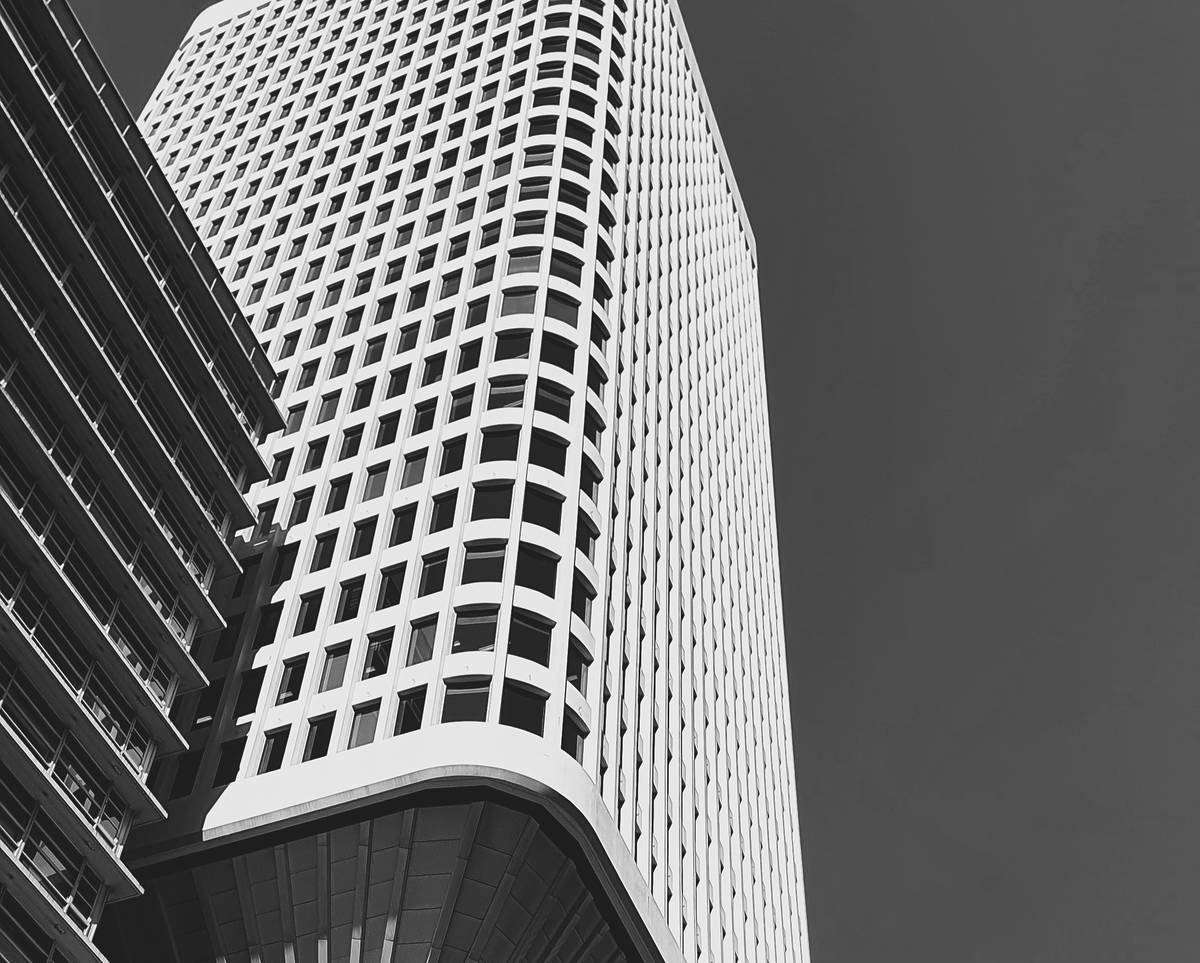
The Sydney Masonic Centre (built in 1979) is one of the city’s most dramatic Brutalist landmarks. Designed by Joseland & Gilling, its stepped, ziggurat-like form and raw concrete planes evoke a modern temple – an apt nod to its Masonic origins. Both ceremonial and commercial in purpose, it remains a bold sculptural presence in Sydney’s civic landscape today.
Seidler offices
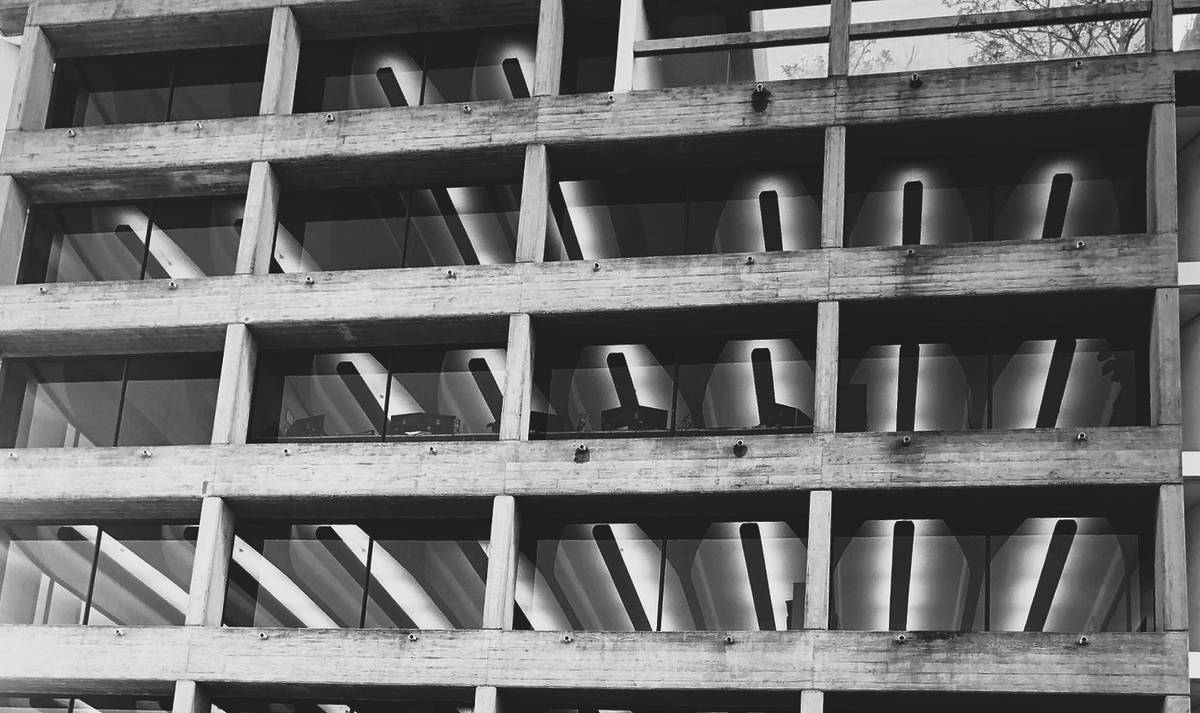
As a testament to Harry Seidler’s modernist vision, the Seidler Offices stand proudly in North Sydney. Seidler combined clean lines and open-plan interiors with a disciplined use of steel and glass. Their precise geometry and functional design reflect his commitment to creating architecture that is both highly efficient and elegantly executed.
University of Technology
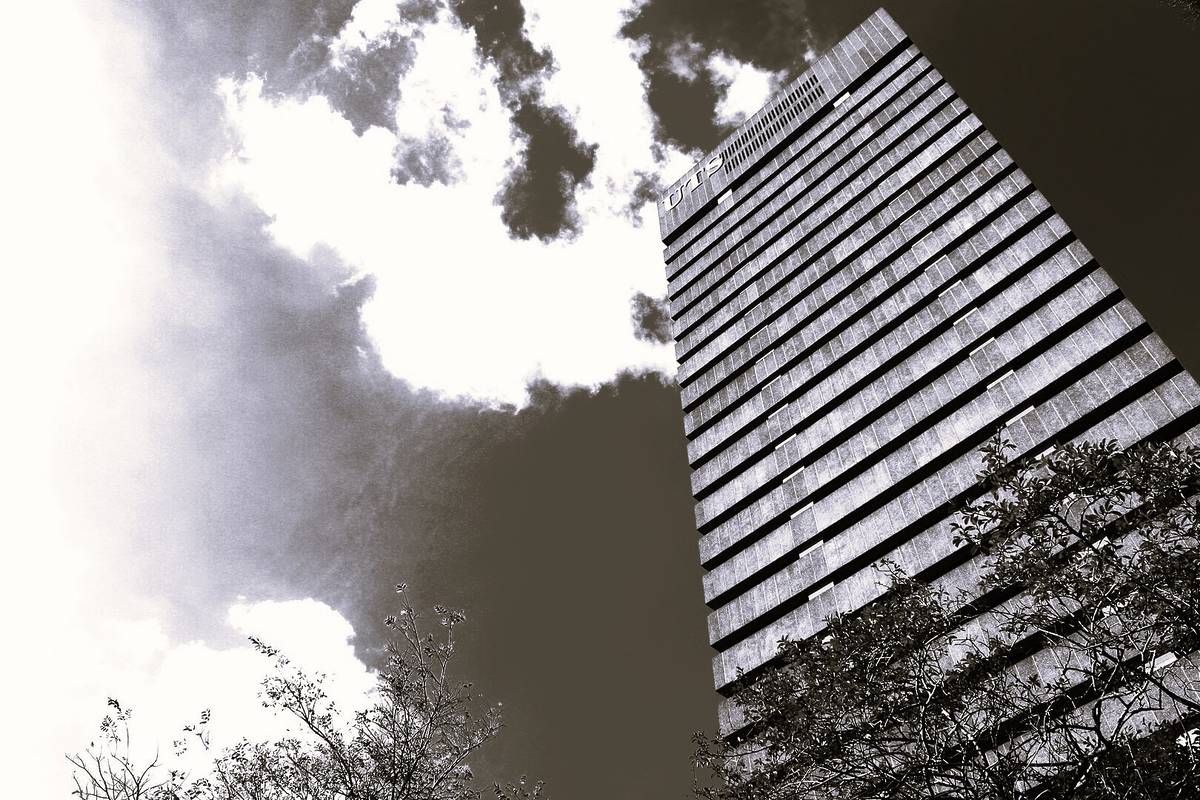
The University of Technology celebrates innovation both in its educational function and its striking architectural design. The Frank Gehry-designed buildings, with their bold forms and dynamic lines, which combine various buildings of extraordinary design, showcase an imaginative use of materials. These structures were built not only to shape the future of technology, but also to reflect the university’s ambitious commitment to approaching creativity in its most forward-thinking and innovative form.
Law Courts Building (Queens Square)
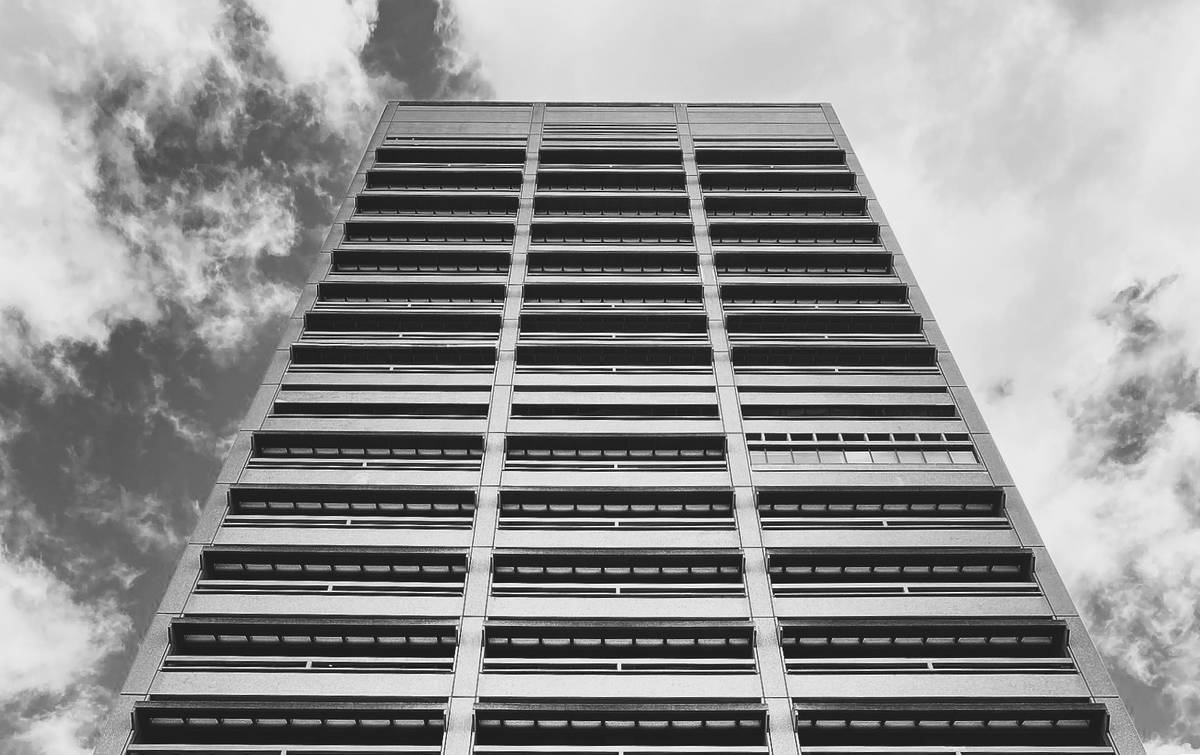
The Law Courts Building belongs in the “starter pack” of 20th century civic architecture in Sydney. What was once occupied by the Crown Law Offices and the Queen’s Club, housing the New South Wales Department of Justice, is now the official home of the Supreme Court of New South Wales. Formerly scattered across various locations throughout the city, the courts were eventually consolidated under one roof—a decision that eliminated unnecessary delays and restored a sense of dignity to the institution.
The building stands as a remarkable example of Brutalist architecture, reflecting the design sensibilities of the time. Conceived by Geoffrey Atherden, the project earned the RAIA (Royal Australian Institute of Architects) Merit Award, a recognition of its architectural significance in Sydney’s urban forest.
School of Molecular Bioscience & Biochemistry (University of Sydney)
University of Sydney has already been crowned one of the prettiest campuses in Australia, but, far removed from civic or residential purpose, the Brutalist masterpiece on Science Road stands as a discreet yet unmistakable expression of the era’s pursuit of efficiency, embodied in its austere brick and concrete forms. Conceived to support the vital progress of scientific discovery, the edifice was raised in the 1970s as a testament to both respect for knowledge and perseverance in research.
Town Hall House
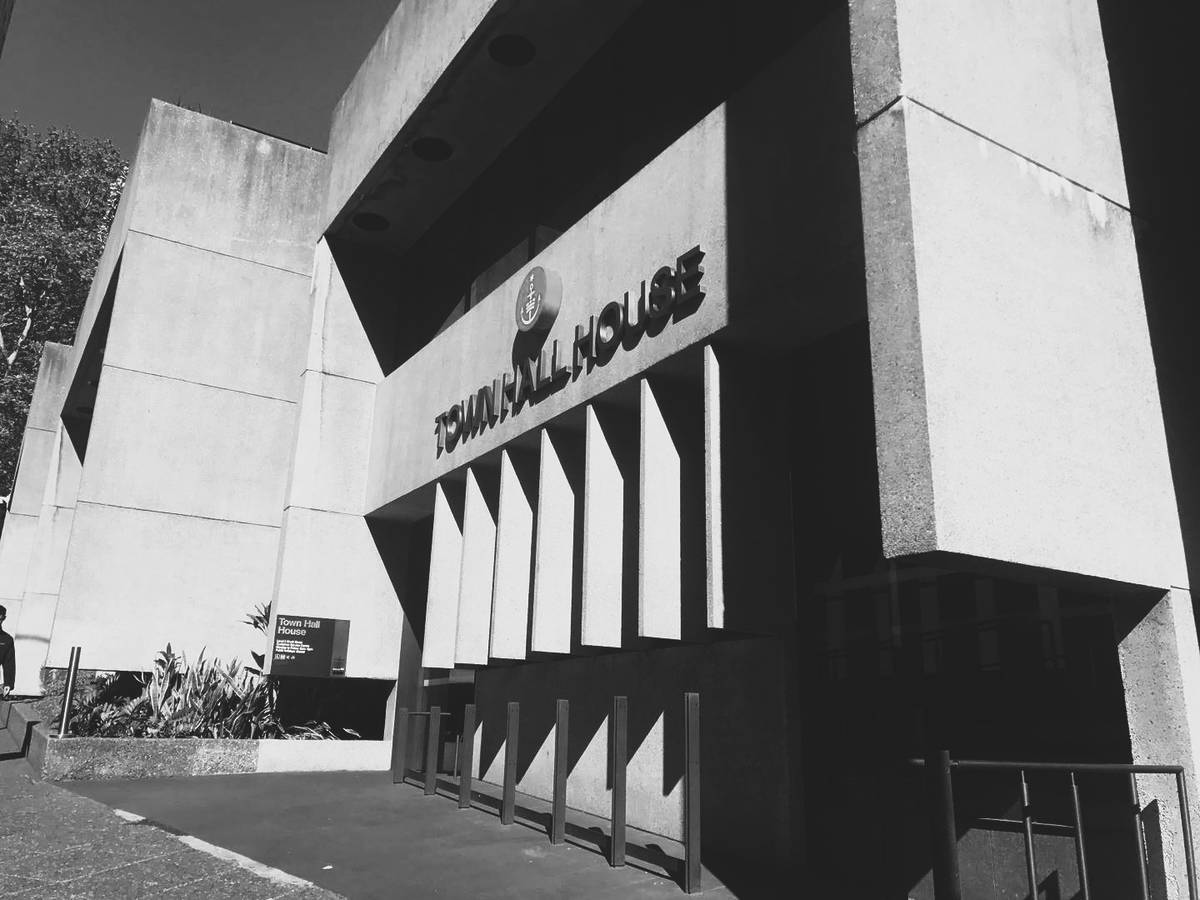
Last but not at all least, rising above the sandstone grandeur of Sydney Town Hall, Town Hall House stands as one of the city’s boldest expressions of Brutalism. Another child of the 1970s, its robustness came from the artistic hand of Ken Woolley, whose design embraced the raw honesty of concrete. The tower’s stark façades and rhythmic vertical forms create a monumental presence, turning functional necessity into sculptural clarity. Purpose-built to house the expanding City of Sydney Council, it was conceived as a deliberate counterpoint to the ornate 19th-century buildings of George Street—modernist rigour set against Victorian eye.