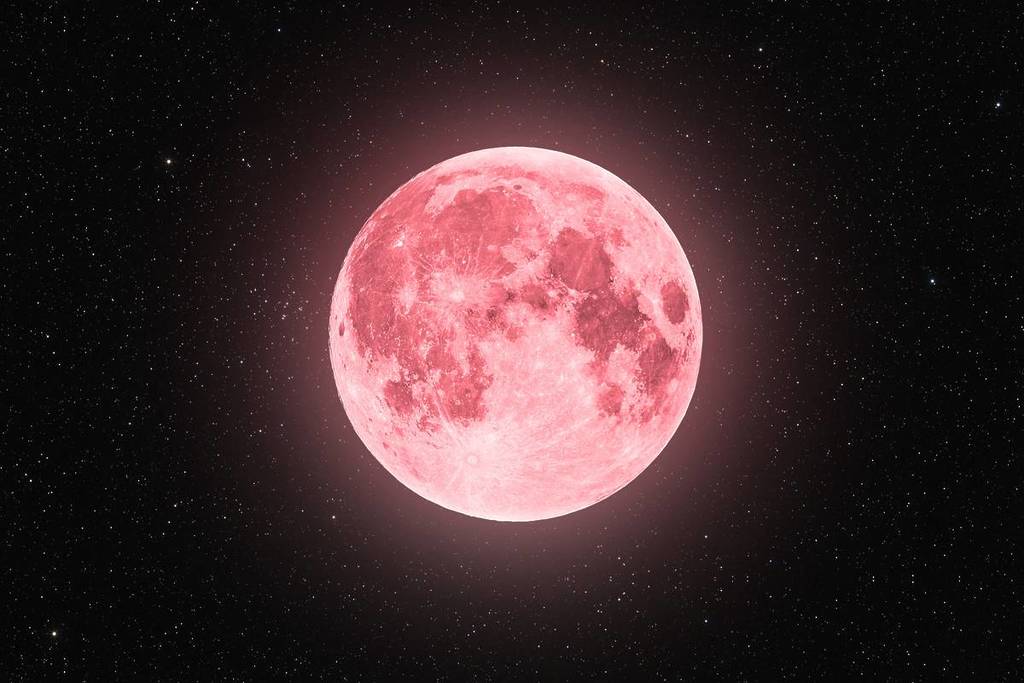

Australia’s night sky is lining up its next major lunar event, with April’s full moon due to appear on Thursday, April 2. Often referred to as the “pink moon“, it arrives just weeks after March’s total lunar eclipse, continuing a run of stunning celestial events visible across the country. Despite the name, the moon will not actually undergo a physical colour change to pink. Instead, it will retain its familiar silvery-white glow, appearing much like any other full moon at its peak. Here’s everything you need to know, including when to see it and what to expect.
What is the pink moon and when is it visible in Australia?
The April full moon is also known as the Paschal Moon, a term used to determine the timing of Easter in the Christian calendar, making it one of the more significant full moons of the year. By tradition, Easter Sunday falls on the first Sunday after this full moon, which is why the timing of the April long weekend shifts slightly each year. Its “pink” label comes from seasonal wildflowers that bloom in North America around this time of the year, rather than anything observable in the night sky itself.
On Thursday, April 2, the full moon will officially reach its peak around midday for most of Australia. While the precise moment of the full phase occurs during daylight, the visual impact will naturally be strongest in the evening once the sun sets. In Sydney, Melbourne and Canberra, it will peak at 1.11pm, while Brisbane reaches its peak earlier at 12.11pm. Other capital cities will see similar daytime peaks, with Adelaide at 12.41pm and Perth at 10.11am.
You can check the exact moonrise time for your location at TimeandDate.com to time your viewing more precisely.
How to see the pink moon in Sydney
For the clearest view, head somewhere with an open line of sight toward the eastern horizon, as the moon will rise from that direction in the evening. Elevated spots, coastal lookouts or wide, unobstructed parks tend to offer the best vantage points. While it’s visible from the city, darker areas away from heavy street lighting and pollution will improve visibility and contrast dramatically. Some dark sky spots in and around Sydney include Palm Beach Headland, the Blue Mountains and Royal National Park. Warrumbungle National Park, the Southern Hemisphere’s first-ever Dark Sky park also offers a world-class stargazing experience.
No equipment is needed, the full moon is easily visible to the naked eye, but binoculars can help pick up more surface detail if you want a closer look.