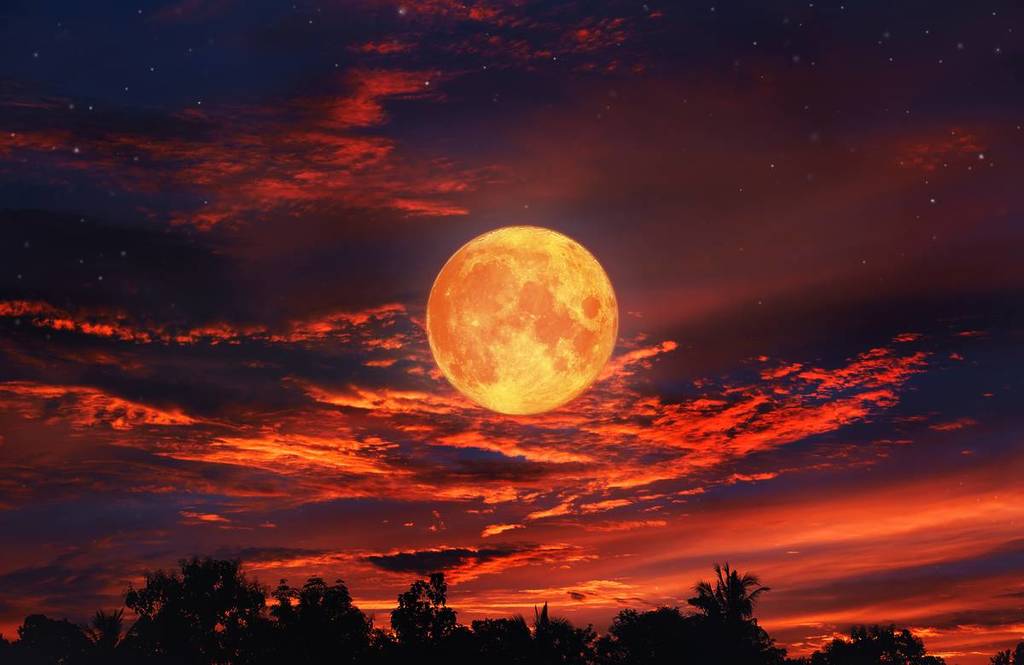
A rare Blood Moon will rise over Australia tonight, and Sydney is among the best places to watch the total lunar eclipse unfold. The Moon will turn a deep red as it passes through Earth’s shadow, creating one of the most striking celestial events visible to the naked eye this year. Australia last saw a total lunar eclipse nearly four years ago, and the next one won’t be visible again until 2028, so tonight’s event is a relatively rare viewing window for skywatchers. The eclipse will unfold gradually across the event, with peak viewing later tonight — here’s exactly when to watch it in Sydney and across Australia.
At A Glance
- A total lunar eclipse will be visible across Australia tonight (Tuesday, March 3, 2026)
- Peak viewing in Sydney and most capital cities begins just after 10pm
- Australia hasn’t seen a total lunar eclipse since November 2022, and the next one won’t occur until 2028.
When to see the Blood Moon in Sydney
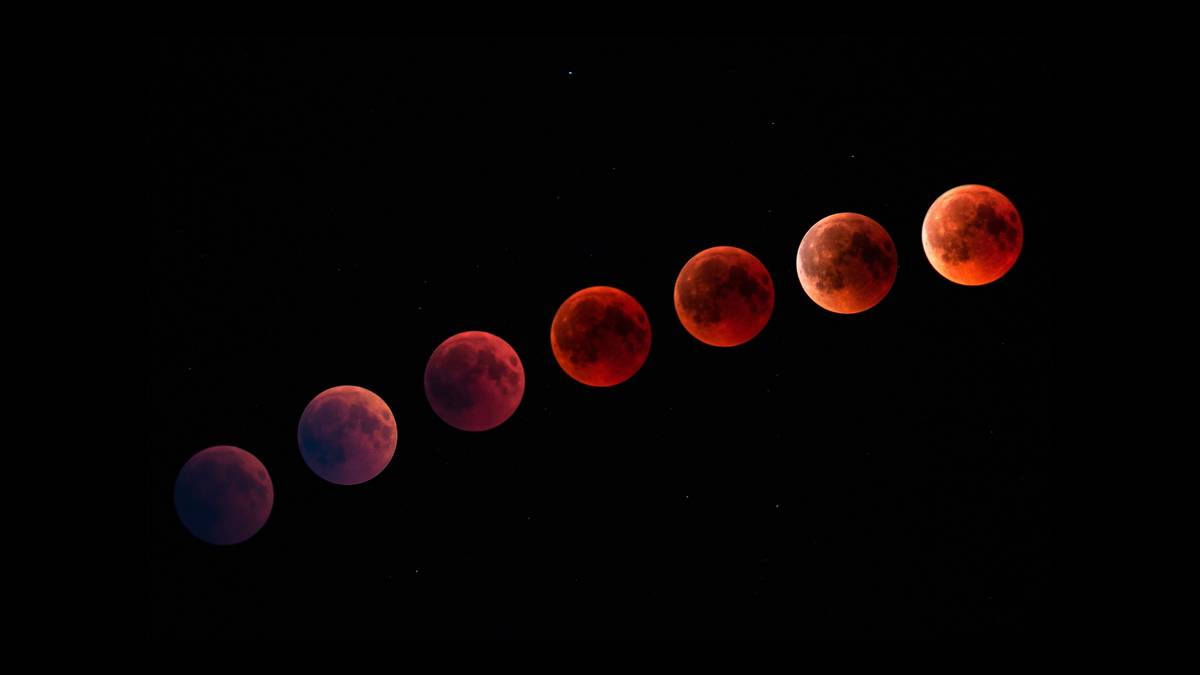
In Sydney, the partial eclipse begins at 8.50pm, when a dark shadow will start moving across the Moon. Totality starts at 10.04pm and lasts until 11.02pm — that’s the key window to look up if you want to see the Moon at its deepest red. The event will unfold through the evening, so although you don’t have to worry about missing out, the period after 10pm is expected to offer the most striking view.
Here’s when totality will be visible in each capital city tonight:
- Sydney (AEDT): 10:04pm — 11:02pm
- Melbourne (AEDT): 10:04pm — 11:02pm
- Canberra (AEDT): 10:04pm — 11:02pm
- Hobart (AEDT): 10:04pm — 11:02pm
- Brisbane (AEST): 9:04pm — 10:02pm
- Adelaide (ACDT): 9:44pm — 10:32pm
- Darwin (ACST): 8:34pm — 9:32pm
- Perth (AWST): 7:04pm — 8:02pm
If you’re heading outside, aim for these windows. This is when the Moon will appear fully red.
What happens during totality?
Totality is the point when the Moon moves completely into Earth’s darkest central shadow, known as the umbra. While it doesn’t vanish from view, it loses its usual bright glow and shifts to a muted red or copper tone. The eerie colour comes from sunlight filtering through Earth’s atmosphere before reaching the Moon. As the light passes through the atmosphere, the bluer tones are scattered out, leaving the warmer reds and oranges to reach the Moon’s surface. How deep the red appears can vary depending on conditions, but during peak totality, the colour is typically at its deepest and most noticeable to the naked eye.
Do you need special equipment to see the eclipse
No. Unlike a solar eclipse, a lunar eclipse is completely safe to view with the naked eye. You don’t need glasses, filters or a telescope. If you have access to binoculars or a camera with zoom, you’ll be able to see more detail on the Moon’s surface, but they’re not strictly needed.
Where to watch the Blood Moon in Sydney
You’ll want a clear view of the eastern sky and as little light as possible for the best views. Open spaces like coastal headlands, beaches and parklands will generally offer reliable vantage points, and elevated spots can also help. Some dark sky spots in the state to keep on your radar include the Southern Hemisphere’s first-ever Urban Night Sky Place, right here in Sydney, Sydney Observatory and the Blue Mountains for higher elevation. For serious stargazers, Coonabarabran, known as Australia’s astronomy capital, sits beside Warrumbungle National Park, one of Australia’s premier dark-sky locations.
Read more about the Lunar Eclipse on the official NASA website and keep an eye on weather conditions here.