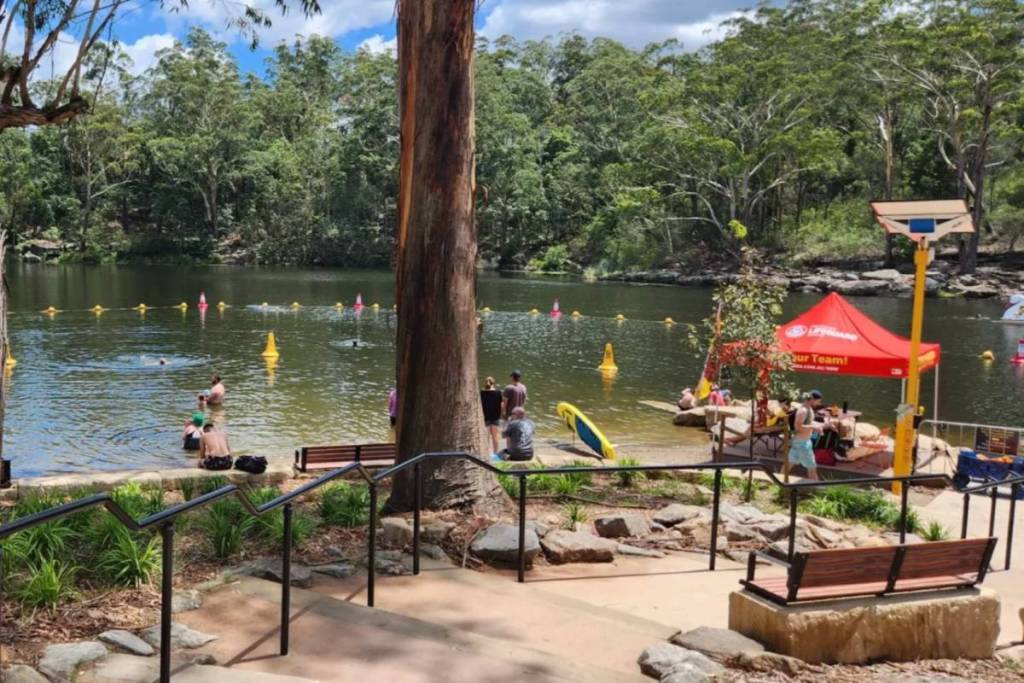

Located behind the streets of North Parramatta, Lake Parramatta looks like a natural bushland escape. But way before it became a scenic retreat, this 10.5-hectare lake served a vital purpose, supplying drinking water to a growing Parramatta.
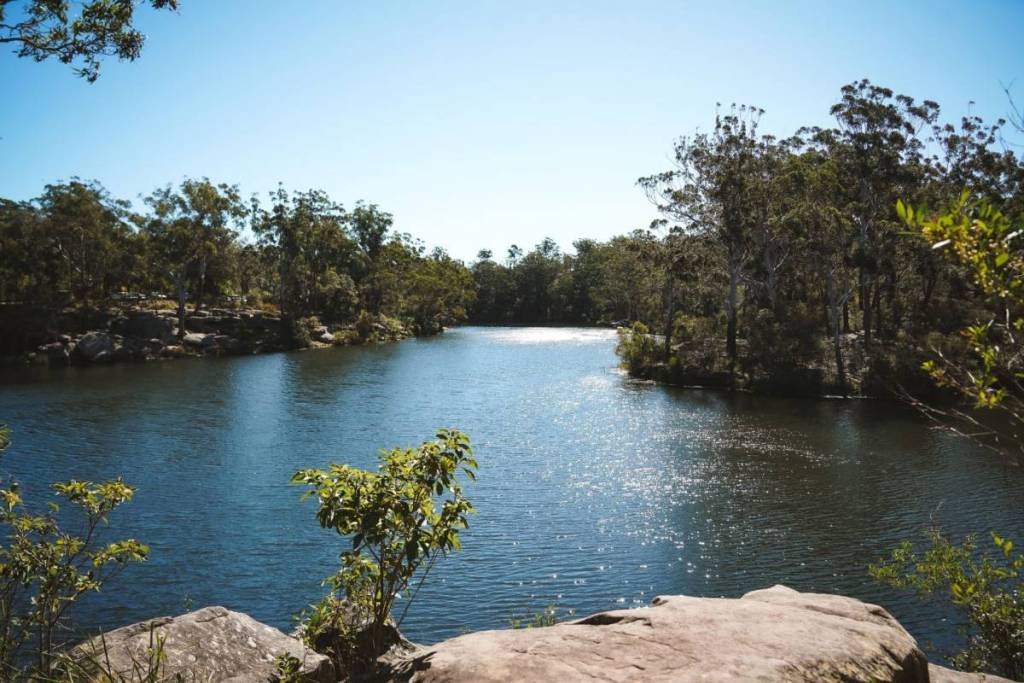
Completed in 1856, the sandstone dam across Hunts Creek was the first large dam built in Australia. For decades, its water helped serve the city of Parramatta—long before it became the freshwater swimming spot Sydneysiders know today.
Built to solve a water crisis
By the 1840s, Parramatta had a serious water problem. Pollution from tanneries, wool-washing works, the Female Factory, gaol and hospital had contaminated the city’s existing water source at the Parramatta River weir.
After years of petitions and planning, work began on a dam at Hunts Creek in 1851. Construction was far from smooth—the project was delayed by disputes with contractors—but Captain Percy Simpson’s circular masonry dam was finally finished in 1856, using sandstone quarried on site.
The reservoir became an important part of Parramatta’s water supply. At first, water was carted into town; by 1881, it was piped directly to Parramatta.
From reservoir to swimming hole
Once Parramatta was connected to Sydney’s wider water system in 1909, the reservoir was no longer needed for drinking water. The site gradually found a new purpose as a place for locals to cool off.
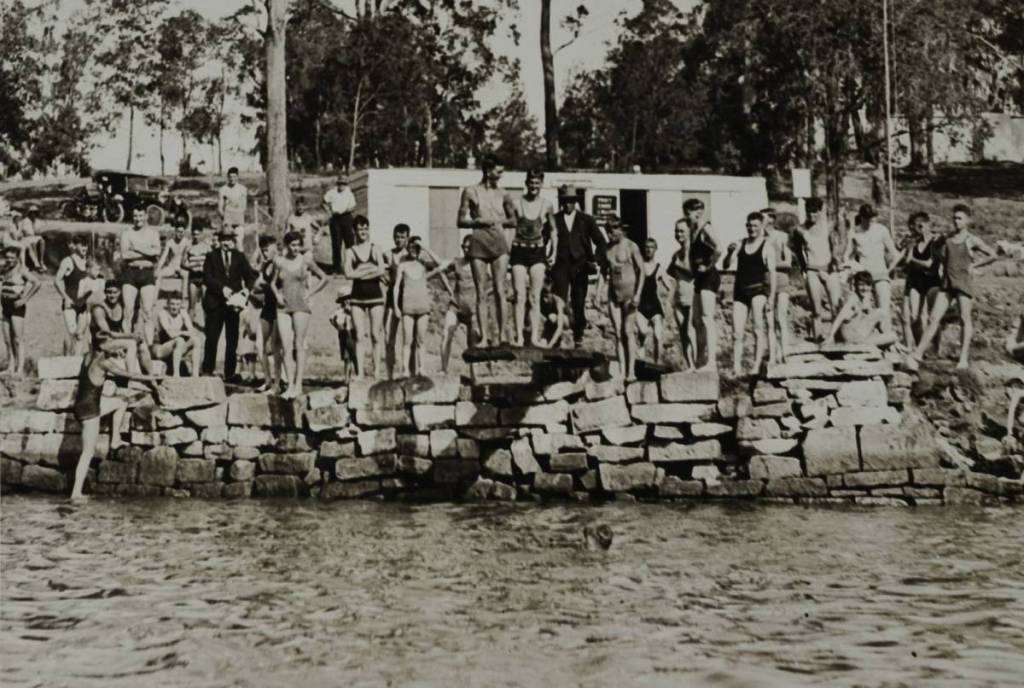
Swimming was permitted at Lake Parramatta from 1920 until 1940.
The lake became popular enough to support what has been described as Australia’s largest freshwater lifesaving club. But pollution and declining water quality eventually put an end to it. Swimming was closed in 1940, and the lake remained off-limits for decades.
Bringing swimmers back was not quick. Community support for reopening the lake emerged in the mid-1990s, leading to long-term water-quality monitoring and catchment restoration work.
Lake Parramatta was officially reopened for public swimming and water recreation in January 2015—75 years after swimming was first closed.
The reopening was part of the broader Our Living River initiative. It aims to make the Parramatta River and its catchment swimmable again.
A bushland swim today
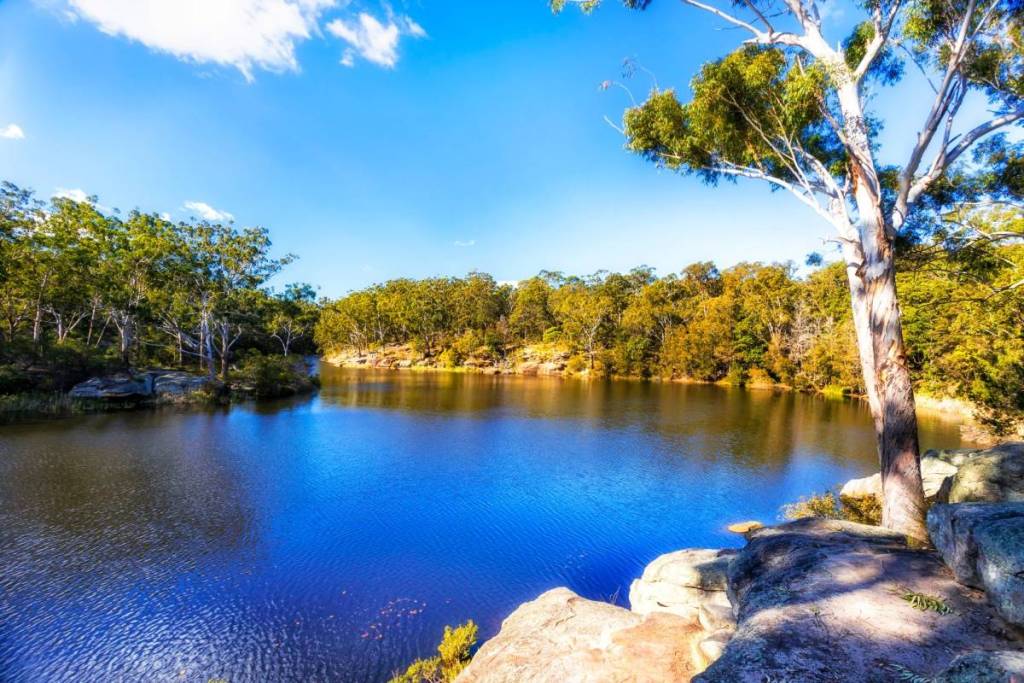
Today, Lake Parramatta sits inside a 73-hectare protected wildlife reserve. Visitors can swim in the designated area, follow bushwalking tracks, and view the heritage dam wall from the Dam Wall Lookout.
The swimming area received a major upgrade in 2024, including improved safety signage, water-safety education and an emergency response beacon.
Water quality is still closely monitored, with regular testing for bacteria, temperature, pH, nutrients and turbidity. The City of Parramatta asks swimmers to stick to the designated swimming area when lifeguards are on duty and to avoid swimming after heavy rain.
Lake Parramatta Reserve is located in North Parramatta, around 25 kilometres from the Sydney CBD. Entry is free, and lifeguards patrol the designated swimming area during the swim season.
It’s a rare piece of Sydney history you can swim in, once a drinking water dam, now a bushland swimming spot.