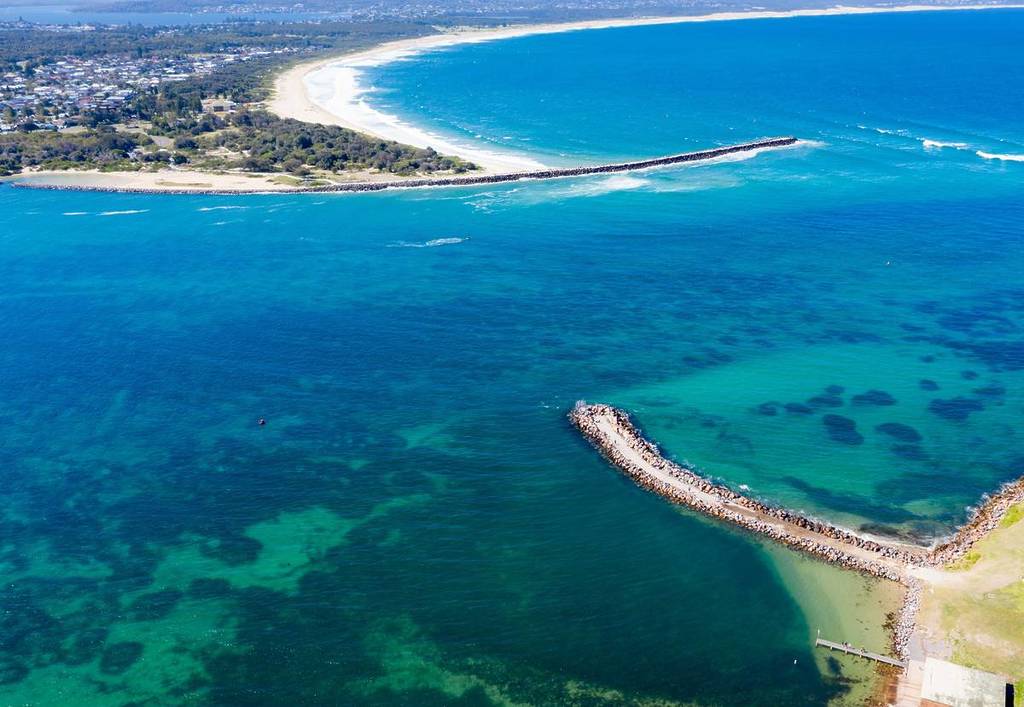

NSW is home to an incredible variety of natural wonders, from the pristine white-sand stretches of Jervis Bay to the ancient rainforests of the Byron hinterland. While these famous landmarks often draw the bulk of visitors year-round, other expansive corners of the state remain surprisingly under the radar. Just a stone’s throw from Sydney, Lake Macquarie offers a unique saltwater escape that still feels relatively quiet despite its scale.
As the largest tidal lake in the Southern Hemisphere, its 174-kilometre shoreline provides a tremendous amount of geographic diversity, ranging from calm, glassy lakefront stretches to rugged ocean beaches. Covering more than twice the area of Sydney Harbour, visitors are treated to everything from the sea caves to sheltered swimming spots and quality waterfront eateries. Best of all, it’s easy to reach by car or train, making it a convenient option for a relaxed weekend away, especially in autumn when the surrounding walking trails are perfect for exploring. Here is everything you need to know about exploring Lake Macquarie.
Lake Macquarie
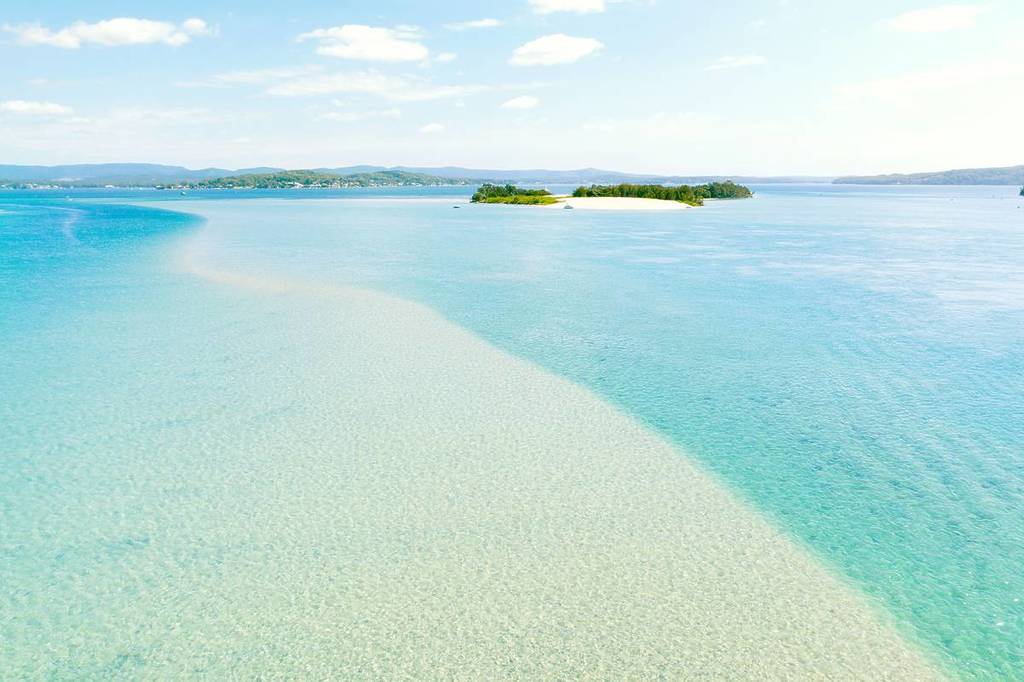
The vast coastal lagoon is connected to the Pacific Ocean via a narrow channel at Swansea, allowing tidal flows to move in and out of the lake each day. Beyond its scale, Lake Macquarie supports a remarkably diverse ecosystem, with nearly 250 species of fish and a range of underwater habitats including seagrass meadows and oyster reefs. The lake’s water volume is estimated at around nine billion litres, providing a vital sanctuary for dolphins and a wide array of seabirds that are frequently spotted along the foreshore.
Around the lake, you’ll find a mix of small lakeside suburbs and quiet bays, many fringed by dense eucalypt forest, each with its own slightly different feel, giving the area a remote feel despite being close to the city.
Things to do at Lake Macquarie
The most popular spot along the coastline is Caves Beach, set on the narrow stretch of land between the lake and the ocean. It is famous for a network of sea caves and rock formations located at the southern end of the beach, though you have to time your visit carefully to see them. These caves are only reachable at low tide, as the ocean completely fills the chambers when the tide comes in; visitors are advised to take all due precaution and check tide charts before heading out.
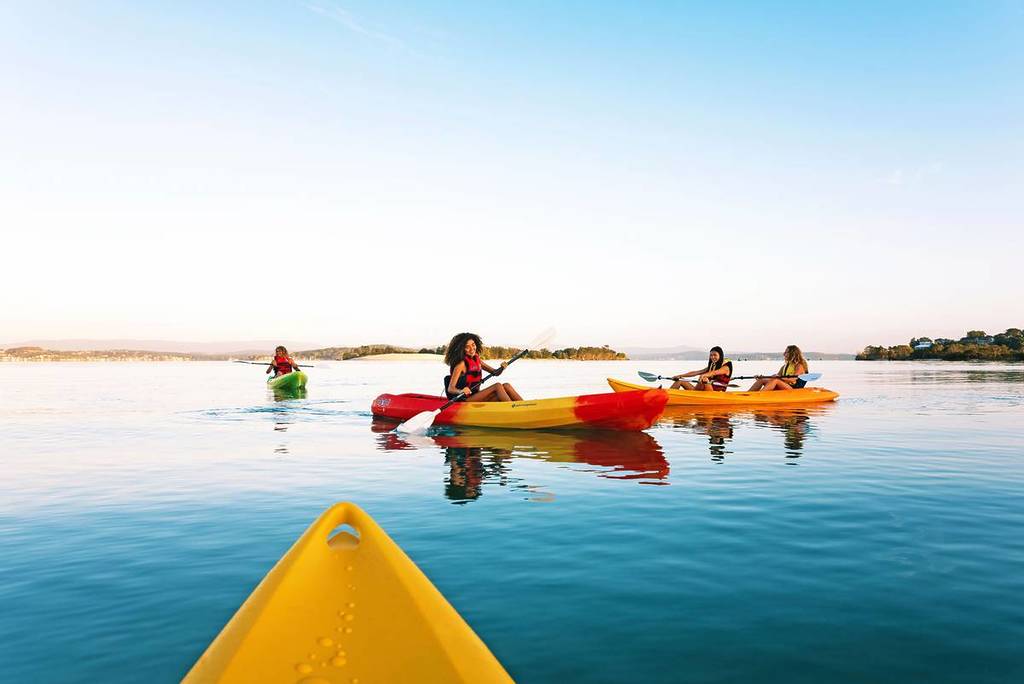
If you prefer a calm, sheltered place for swimming, head to Belmont Baths, which features a netted enclosure and floating pontoons. Stand-up paddleboarding and kayaking are also popular activities here, while boating and fishing remain long-time favorites for locals and visitors. Meanwhile, Naru Beach is a hidden gem on the shores of Lake Macquarie, with soft white sands, clear blue waters and far fewer crowds. For those staying on land, sections of the Lake Macquarie Sculpture Trail around Warners Bay offer an easy, flat walk that winds past large-scale artworks set along the water’s edge.
Getting there
Getting to Lake Macquarie is a simple, scenic day trip, whether you are travelling by road or rail. For those driving from Sydney, the trip takes around 1.5 or 2 hours via the M1 Pacific Motorway. If you prefer to take the train, the Central Coast & Newcastle Line runs regularly from Central and Strathfield stations, stopping at several lakeside towns including Morisset and Fassifern. From there, you’ll need a short bus or taxi ride to reach the foreshore. Plan your travels on Transport for NSW.