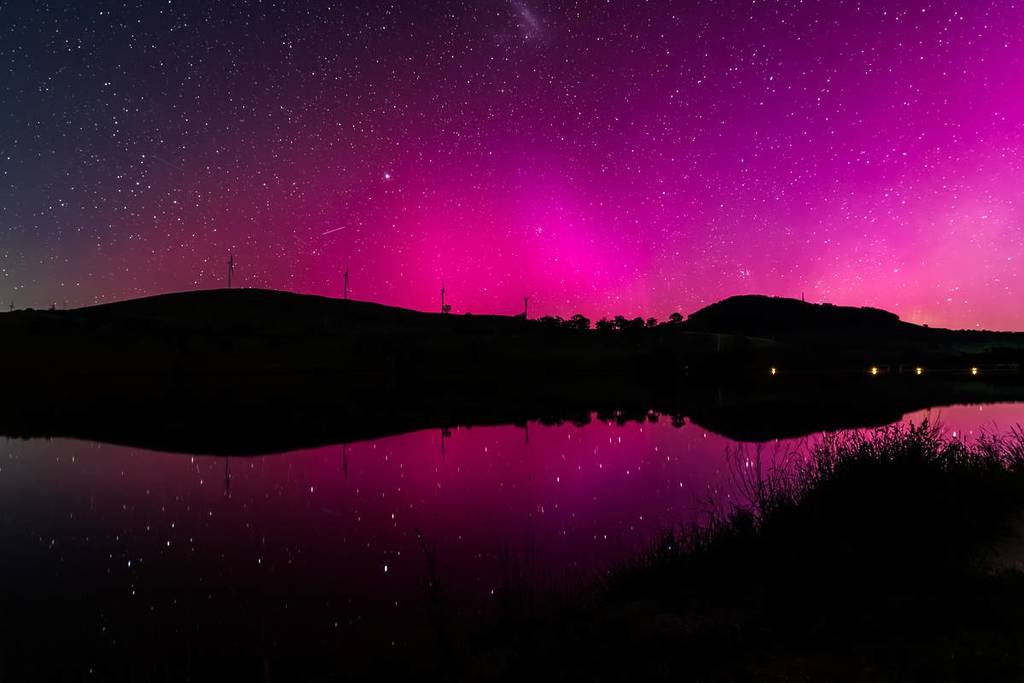

While many travellers spend thousands on flights to Scandinavia to catch the Northern Lights, some of the most impressive displays of late have actually been happening right in our own backyard. If you missed the dazzling display this February, you may not have to wait long for another chance, with fresh solar activity expected to reach Earth this week. A series of solar events currently heading toward Earth has triggered a G2 geomagnetic storm watch for Thursday, March 19, which could make the Aurora Australis visible further north than usual — including parts of NSW if conditions line up. Here’s everything you need to know including where and when to look up.
Will the Aurora Australis be visible in NSW tonight?
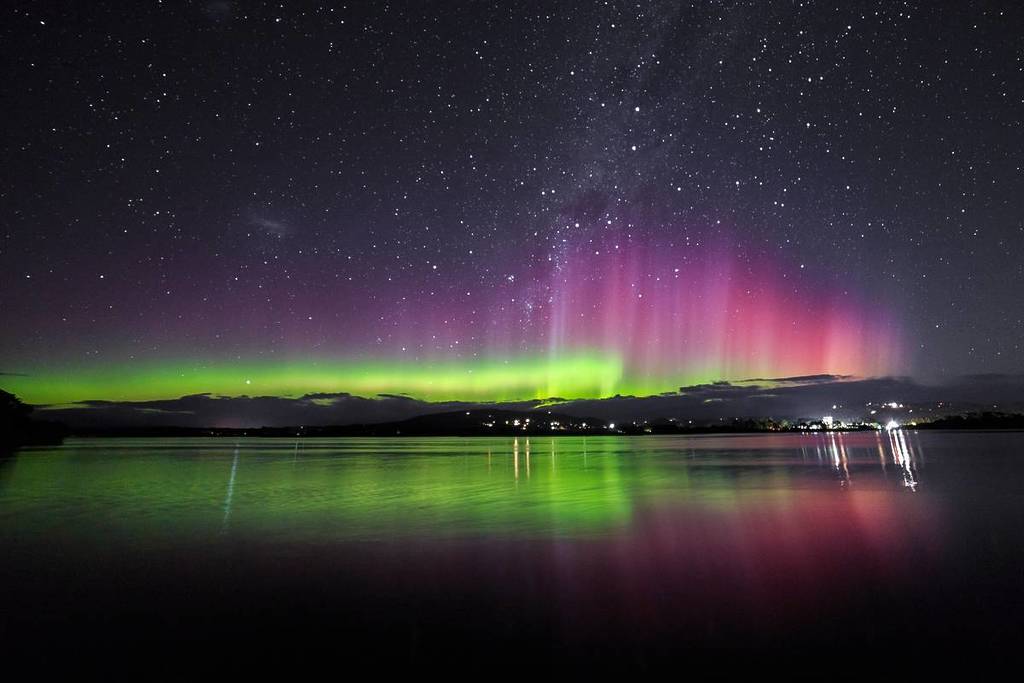
Current forecasts suggest the best chance of seeing the skies light up will fall on Thursday night, March 19, following the arrival of a geomagnetic storm triggered by recent solar events. The Australian Space Weather Forecasting Centre has now issued an aurora watch, noting a solar event is expected to reach Earth within the next 48 hours, which could trigger visible auroras during local nighttime. The US-based Space Weather Prediction Center has also issued a G2 storm watch, typically a strong signal that aurora activity is likely. Forecasts can be unpredictable, so the key detail to watch will be when the storm peaks overnight, as that’s when visibility is most likely.
What time will it be visible?
According to updates shared by the Aurora Australis Facebook group, the first wave is now expected to arrive around 2pm AEDT on Thursday, with a second forecast for Saturday, although timings can shift by several hours. If conditions line up, the best chance of spotting any activity will be once the sky is fully dark, with displays typically building later in the evening. In most cases, any visible colour tends to peak between around 10pm and 2am, when the sky is darkest and the southern horizon is easiest to read. Activity can come and go in short bursts, so patience is key.
Where to see the Aurora Australis in NSW
The biggest hurdle, of course, is finding clear skies, which are never quite guaranteed in the city. So if you’re serious about chasing aurora, getting out of Sydney and away from light pollution will make all the difference. Your best bet is to head south and look for wide-open vantage points with a clear view of the horizon.
Places like Jervis Bay, Kangaroo Valley, the Blue Mountains and the Sapphire Coast are all strong options, especially if you can find a coastal headland or elevated lookout. Darker inland spots like Coonabarabran and Warrumbungle National Park remain the gold standard for dark skies in the state. Closer to home, the Northern Beaches are home to the Southern Hemisphere’s first-ever Urban Night Sky Place. Other local favourite spots include Echo Point Lookout (Three Sisters), Barren Grounds Illawarra Lookout, Five Mile Beach in Jervis Bay and Green Cape Lighthouse.
What is the Aurora Australis?
The Aurora Australis, or Southern Lights, is a natural light show that appears in the night sky when charged particles from the sun collide with gases in the Earth’s atmosphere, causing them to glow. While typically seen in Tasmania, coastal areas of Victoria and southern South Australia, strong solar storms can push these displays far enough north to be visible in NSW. The result is a stunning display of green, pink, and purple hues across the night sky.
How to capture the Aurora Australis
The lights usually look faint to the naked eye, but your phone or camera can often pick up more detail. Using night mode or a long exposure will help bring out any colour along the horizon, especially in darker areas. If you have a tripod, use it to keep your shot steady, and avoid bright lights in the frame.
For live and latest updates, keep an eye on alerts from the Australian Space Weather Forecasting Centre and follow the Australian Aurora Hunters community on Facebook.