
Australians heading overseas will soon shell out more just to leave the country, with the federal government confirming a hike to the long-standing passenger movement charge as part of the 2026–27 federal budget.
From 1st January 2027, the departure fee will rise by $10, pushing the total cost to $80 per passenger. The charge applies to anyone leaving Australia by air or sea—regardless of citizenship—meaning both locals and tourists will feel the bump.
There is a small window of relief for travellers who’ve already booked ahead. Tickets purchased before the change kicks in will fall under a six-month transition period, allowing some passengers to avoid the higher fee, at least temporarily.
The increase is expected to generate significant revenue, with Treasury forecasting around $755 million over five years. By comparison, the administrative cost of implementing the change is relatively modest, with the Department of Home Affairs allocating about $700,000 next financial year to roll it out.
The passenger movement charge has long been baked into the cost of international travel—typically bundled into airfares—so many travellers may not notice the change immediately.
Still, for frequent flyers or families travelling together, the extra $10 per person can quickly add up. A family of four, for example, would be paying an additional $40 per trip.
The exit fee increase sits alongside a broader trend as international travel is becoming an increasingly valuable revenue stream for the government. Visa application charges will generate $6.18 billion in 2026–27, up from $4.66 billion the previous year, as global travel demand rebounds.
Other budget measures
Beyond travel, the budget touches on everything from emergency alerts to electric delivery vehicles:
- A new national warning system, AusAlert, will launch in October with $6 million in funding, designed to deliver targeted emergency messages during disasters.
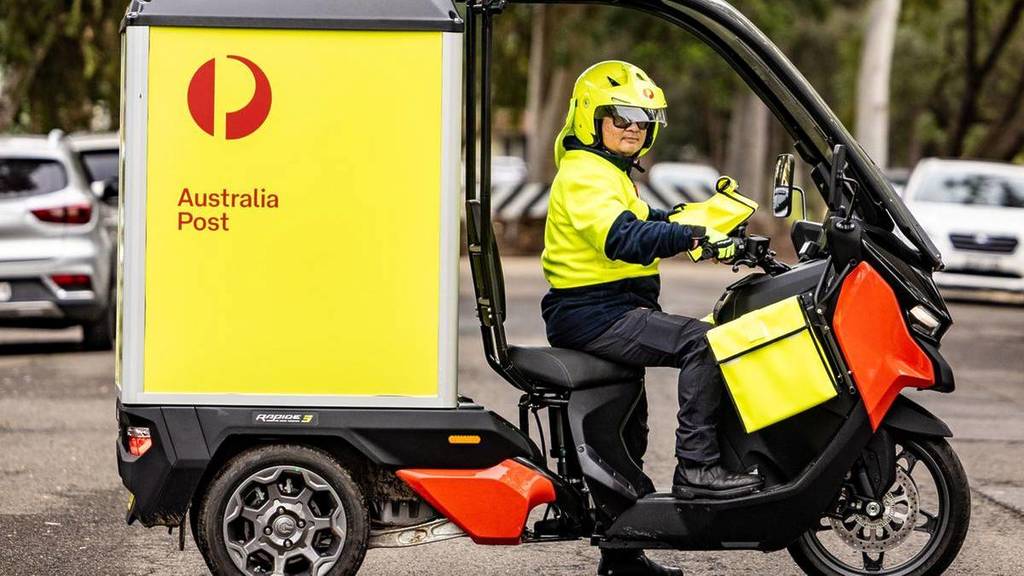
- The government will give Australia Post $40.5 million to fast-track its rollout of electric delivery vehicles, including vans and postie bikes.
- A solar panel recycling pilot will continue, building on nearly $25 million committed last year to reduce waste from Australia’s clean energy transition.
Health & community funding

Several health and social initiatives also scored funding boosts:
- $431 million will permanently support public dental services for eligible adults.
- Life Education Australia—known for its “Healthy Harold” giraffe—will receive $1.7 million to expand programs covering mental health, online safety and respectful relationships.
- The Maggie Beer Foundation will get more than $7 million to improve food quality in aged care.
- The government has earmarked more than $68 million to help eliminate HIV transmission in Australia by 2030.
Culture & cost of living
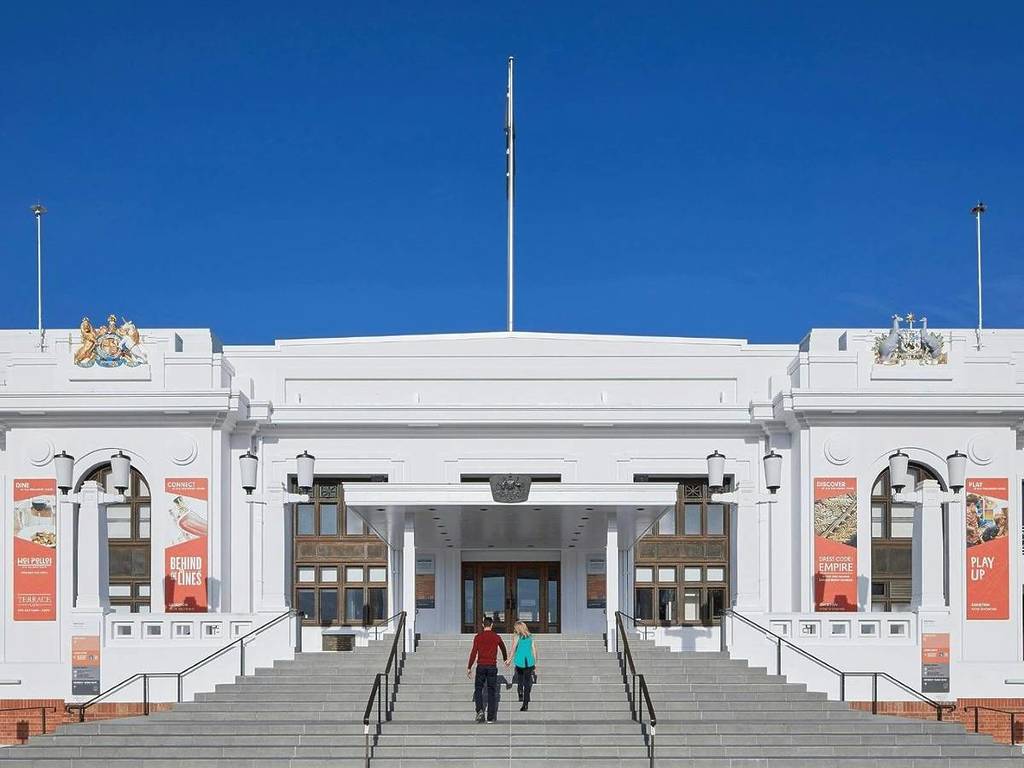
Arts and cultural funding also features, including $10 million for Australia Day events nationwide and $3 million for the Museum of Australian Democracy to mark 100 years since Old Parliament House opened.
Meanwhile, a suite of tax changes is aimed at easing cost-of-living pressures. These include a new annual tax offset of up to $250 for workers from 2027–28, as well as phased income tax cuts starting July 2026. A $1,000 instant tax deduction—designed to simplify returns—is also on the way.
While the budget spans a wide range of initiatives, the departure tax increase is one of the most immediate changes travellers will feel—quietly raising the cost of leaving Australia in a move that’s likely to go unnoticed until the next international booking.