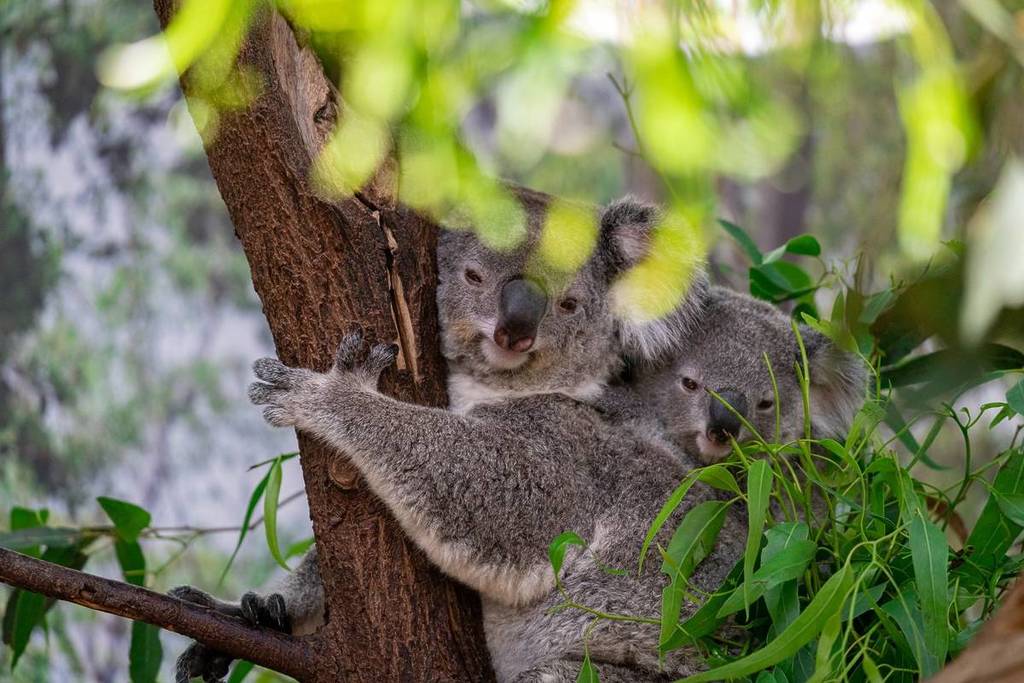

NSW’s proposed Great Koala National Park has taken a step forward, with Environment Minister Penny Sharpe visiting Coffs Harbour this week to progress plans for the major conservation project.
If approved, the park would protect one of Australia’s most significant koala populations along the Mid North Coast, alongside more than 100 threatened species. It’s also being positioned as a key ecotourism attraction for the region.
The park’s final declaration depends on approval of a carbon project under the federal government’s Improved Native Forest Management method, which is currently under review following public consultation earlier this year.
More than 4,000 community members have already helped shape the proposal by sharing their views on conservation priorities and how people could use the park for recreation.
What Is The Great Koala National Park?
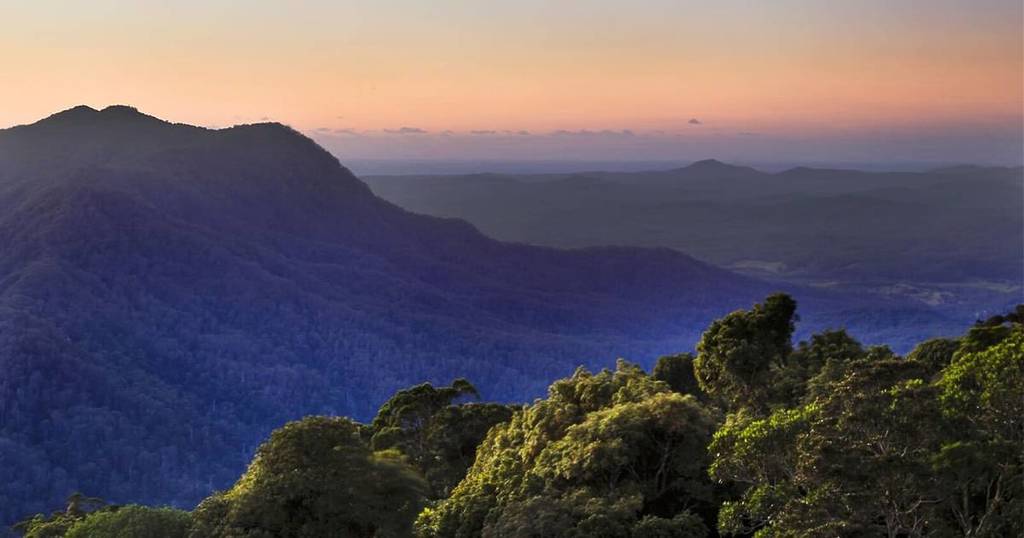
The plan would connect around 175,000 hectares of publicly owned state forests with existing national parks, creating a 315,000-hectare reserve across the Coffs Coast.
It targets a major gap in conservation.
National parks in NSW often cover less fertile land, while koalas rely on richer coastal forests that logging and development companies are more likely to target, so most koalas live outside protected areas.
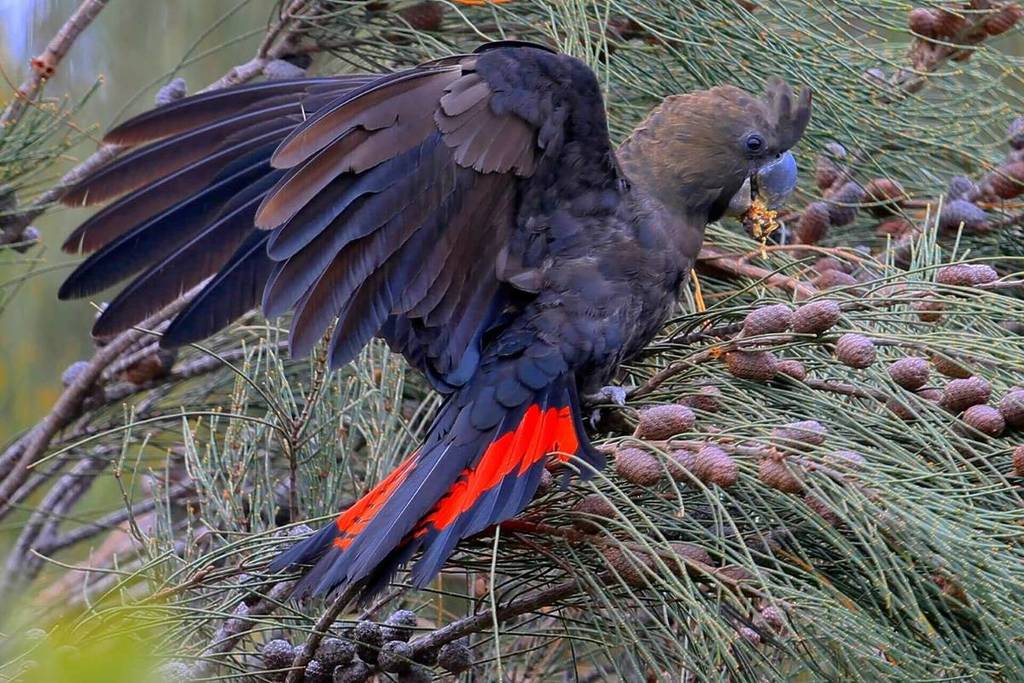
By bringing these forests into a protected reserve, the park would secure habitat not just exclusively for koalas, but for species like greater gliders, glossy black cockatoos, powerful owls and spotted-tail quolls—all of which depend on mature forests. Ending logging in these areas would also allow forests to regrow and store more carbon, contributing to climate mitigation.
Why It Matters For Koalas
Officials now classify koalas as endangered in NSW because their populations have declined sharply over recent decades. The 2019–20 bushfires had a severe impact on North Coast populations, accelerating those losses and highlighting the risks facing the species, particularly in unprotected habitat.
Because koalas depend on specific forest types found along the coast, protecting these areas is critical to their long-term survival. The proposed park is also expected to boost nature-based tourism in the region.
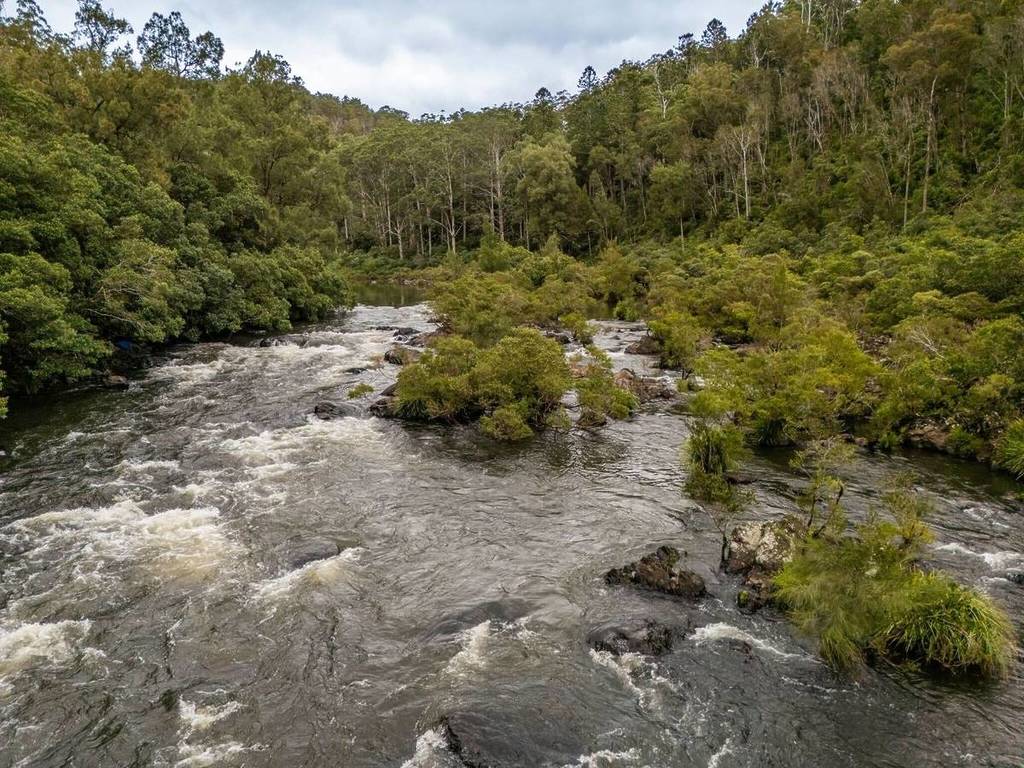
Plans point to a mix of low-impact visitor experiences, including bushwalking tracks, swimming spots and mountain biking, alongside opportunities to see koalas in the wild.
With tourism already a major economic driver, the park could further position the Coffs Coast as a leading ecotourism destination.
What Happens Next
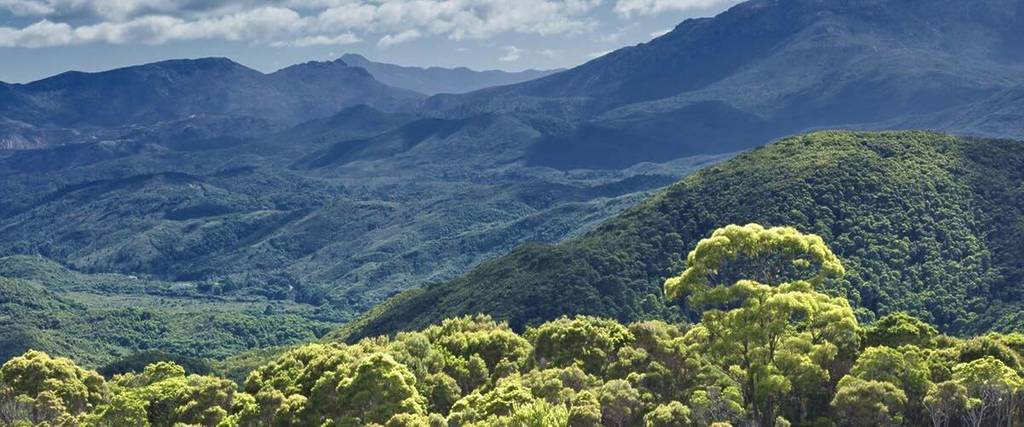
Planning for The Great Koala National Park is continuing ahead of proposed legislation to formally establish the park later in 2026. Work is also underway to strengthen fire preparedness across the region and refine park boundaries, while consultation with local communities and Traditional Owners continues.
Sharpe said the project presents a rare opportunity to protect critical habitat, while North Coast Minister Janelle Saffin has pointed to its potential to support local jobs and regional tourism.