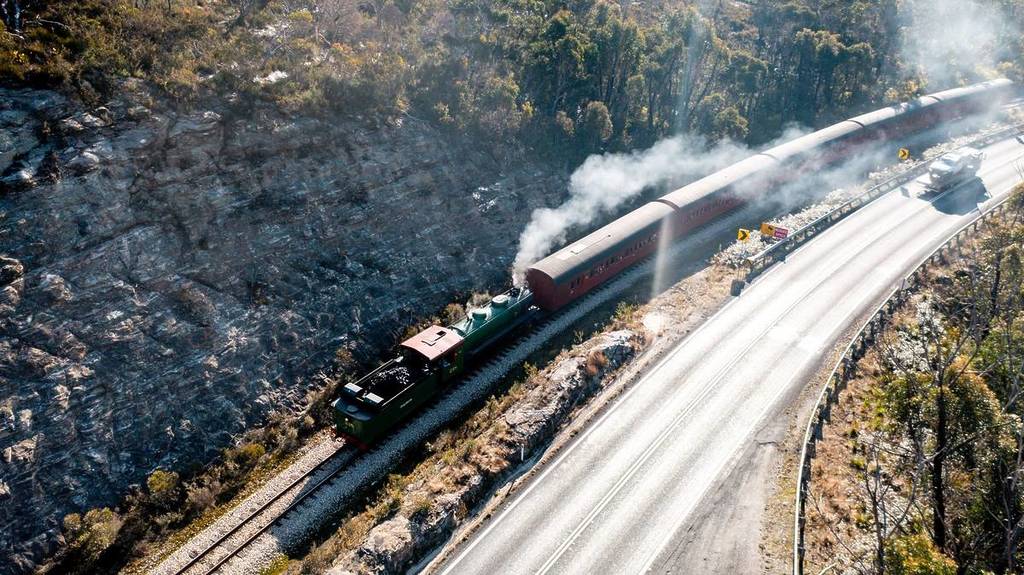

The Zig Zag Railway is stepping into a new era, expanding to seven-day operations and spotlighting a lesser-explored pocket of the Blue Mountains.
From early April, the heritage railway has shifted from running every second weekend to operating four services a day, seven days a week. It marks a significant step up for the volunteer-powered attraction, which has welcomed around 100,000 visitors since reopening but is now gearing up to draw as many as 150,000 annually.
Chief Executive Daniel Zolfel says the move is about positioning the historic line as a must-do experience for both locals and international visitors. “While the Blue Mountains is popular with international tourists, operators tend to never travel this far west,” he said. “This opens up a new part of the region for them to experience.”
A Journey Built On Engineering Ingenuity
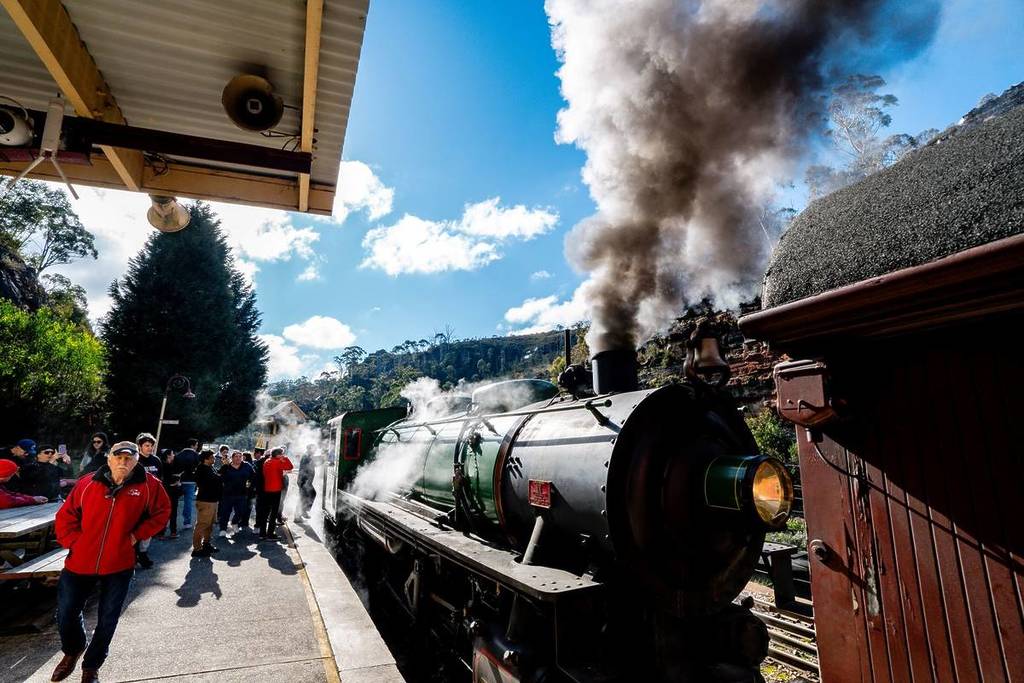
With Western Sydney International Airport expected to transform how overseas travellers access NSW, the Zig Zag Railway is aligning itself with a broader push to encourage visitors beyond the usual Blue Mountains highlights.
It reflects a broader tourism shift, with travellers increasingly seeking immersive, off-the-beaten-path experiences over traditional postcard stops.
The experience itself leans into both nostalgia and novelty. Visitors can choose between shorter 45-minute journeys or a longer 90-minute ride, all tracing the original 1860s route that famously solved the challenge of descending the Blue Mountains escarpment.
Instead of a straightforward track, trains perform a series of reversing manoeuvres—a clever piece of colonial-era engineering that still feels theatrical today. Carriages wind along sandstone cliffs, with sweeping valley views that change direction as the train switches back and forth along the line.
That blend of history, scenery and slow travel is part of the appeal, especially as interest grows in experiences that prioritise the journey as much as the destination.
A Screen-Free Family Day Trip In NSW
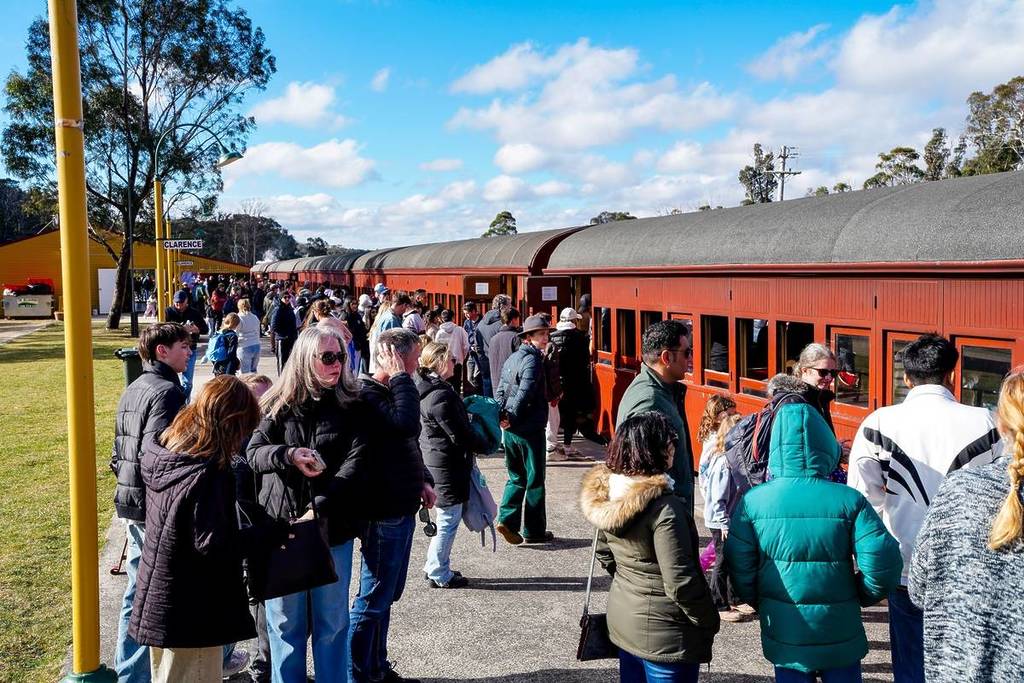
For families, the expanded timetable makes the railway a far more flexible day trip option, particularly across school holidays and weekends.
With multiple daily departures and a mix of ride lengths, it’s an easy, screen-free outing within reach of Sydney—and notably, access to the railway remains unaffected by ongoing closures along the Great Western Highway.
The Zig Zag Railway has always been a story of reinvention. First opened in the 1860s to connect Sydney with the state’s west, it was bypassed in 1910, revived by enthusiasts decades later, and forced to close again in 2012 before its latest reopening in 2023.
This new chapter—defined by daily departures and a sharper international focus—angling it as a nostalgic attraction and also as a key player in the Blue Mountains’ evolving tourism landscape.
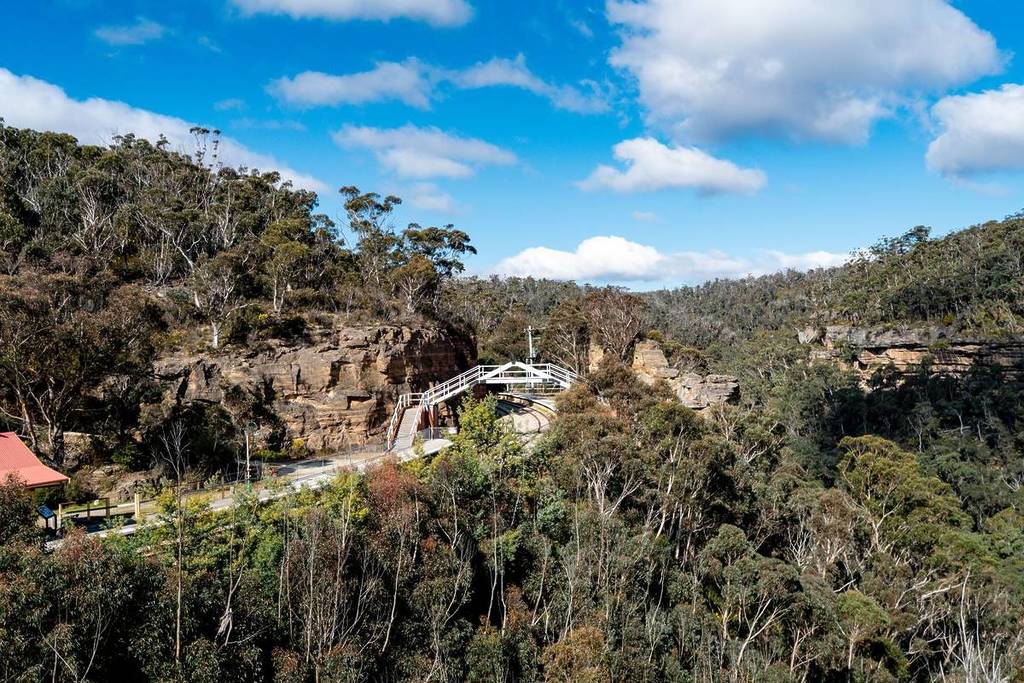
Behind the scenes, revenue is forecast to increase significantly, with funds reinvested into restoring additional locomotives and carriages, developing onsite museum spaces and expanding school excursion and education programs.
While volunteers remain at the heart of the operation—as they have since the line’s revival in the 1970s—the growth will also see more staff brought on to support the next phase.
For travellers willing to venture a little further into the mountains, it’s a chance to experience a piece of NSW history that quite literally runs against the grain.