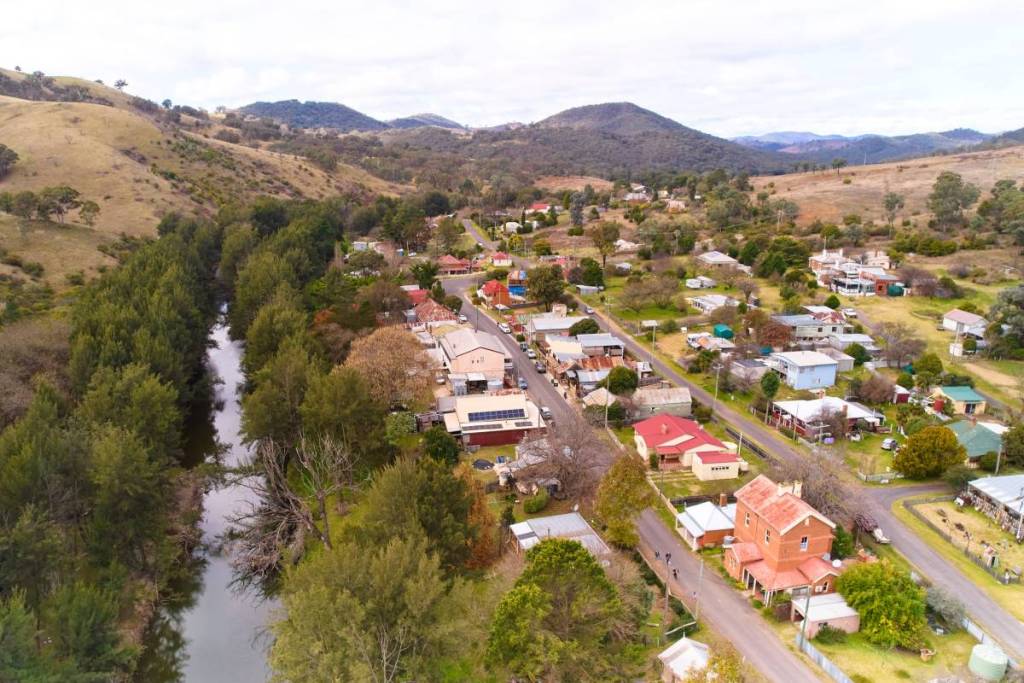

From Braidwood to Millthorpe, some of the most charming small towns in NSW are defined by their historic main streets, with elegant nineteenth-century buildings, quaint country pubs and inviting cafes. But few places lean into their past quite like Sofala. If you blink, you might miss this little stretch in the Central West, home to just over two hundred residents who live among timber storefronts and iron-roofed cottages that have stood since the peak of the 1850s gold rush. Set in a narrow valley alongside the winding Turon River, the village is recognised as Australia’s oldest surviving gold rush town — with the history front and centre in the town even today. Ready to plan a trip? Here’s how to make the most of a winter trip to Sofala.
Things to do in Sofala in winter
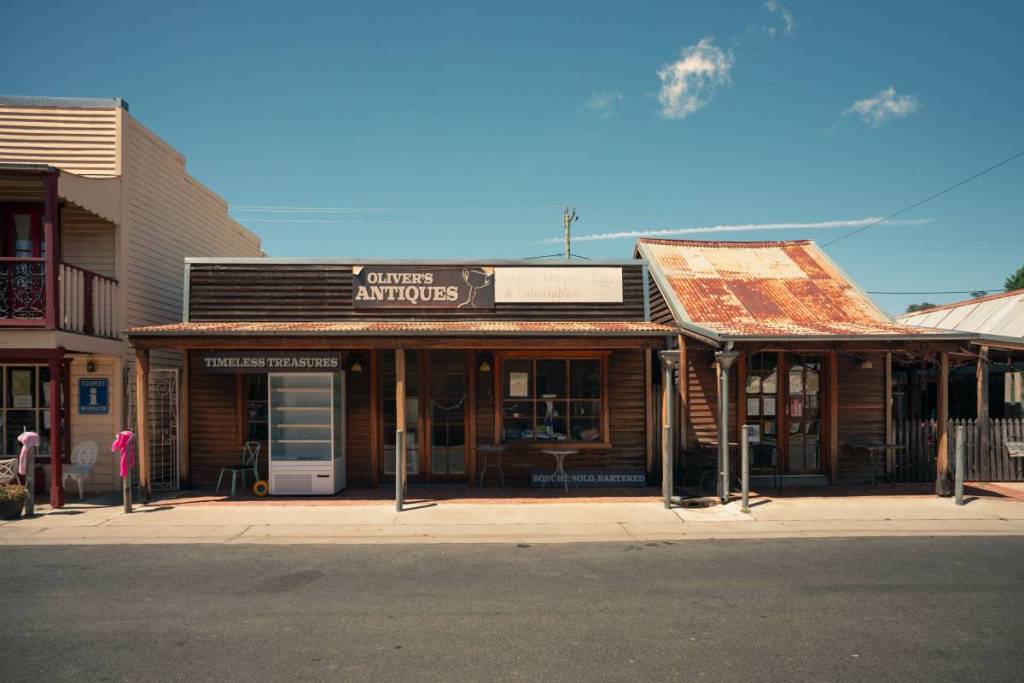
Sofala’s story kicked off in 1851 when prospectors first struck gold along the Turon River. A gold rush ensued, drawing thousands of hopefuls from across Australia and overseas in search of their fortune. Although the boom was relatively short-lived, the village changed remarkably little in the decades that followed, leaving much of its nineteenth-century streetscape intact today. That makes wandering Sofala’s historic main street the obvious place to begin if you’re visiting.
Timber shopfronts, old hotels, cottages and former public buildings line the street much as they did in the yesteryear, and the best way to soak up the atmosphere as you stroll in town is on the self-guided heritage walk. The easy trail it winds past some of Sofala’s most significant surviving landmarks, including the Royal Hotel, the former Post Office and the old police station and gaol. Each stop includes a snippet of history, offering a fascinating insight into the village’s gold rush past, giving visitors the chance to step inside a number of heritage buildings that remain open to the public. Beyond the village itself, the surrounding Turon Valley is equally rewarding in the cooler months if you’re looking to get out in nature.
The nearby Buree Walking Track winds through the Wattle Flat Heritage Lands and offers elevated views across the valley, while the Turon River provides tranquil spots for a walk, picnic or simply enjoying the stillness of this historic corner.
Other ways to enjoy the town
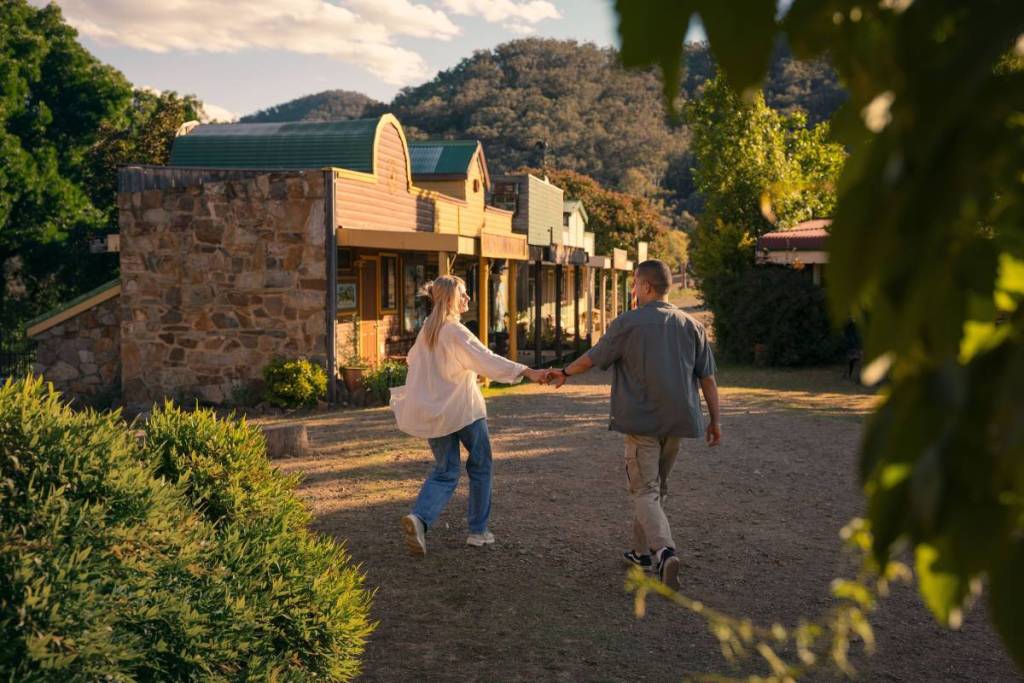
Given its tiny population and size, Sofala isn’t packed with eateries or shopping spots, but what it lacks in scale it makes up for in character. A visit to the Sofala General Store is a must, with the historic building serving everything from coffee and light bites to everyday essentials for locals and visitors alike. If you’re after another place to stop, Crossroads Cafe Sofala is a cosy spot for homemade treats, light meals and coffee and a selection of antiques, gifts and locally made goods.
For a classic country pub experience, head to Royal Hotel Sofala. Dating back to the gold rush era, it’s the social heart of the village and a fitting place to end a day of sightseeing with a hearty pub meal beside an open fireplace or a drink in the beer garden if the winter sun is out. If you’re passing through nearby Wattle Flat, it’s also worth stopping at Wattle Flat General Store for coffee, baked goods or a bite to eat before continuing your journey.
For a wider selection of provisions, larger country bakeries and stores can be found a short drive away in Bathurst. Read more about Sofala and find accommodation options here.
Getting there
Sofala is an easy 3 to 3.5-hour drive northwest of Sydney, typically taking you via the Great Western Highway through the Blue Mountains and past Bathurst. If you are relying on public transport, there are no direct train or bus links all the way from Sydney. Instead, you can catch the daily NSW TrainLink regional train from Central Station to Bathurst, and from there connect via a local regional bus service or a taxi for the final 30 minute leg into the village. Plan your travels on Transport for NSW.