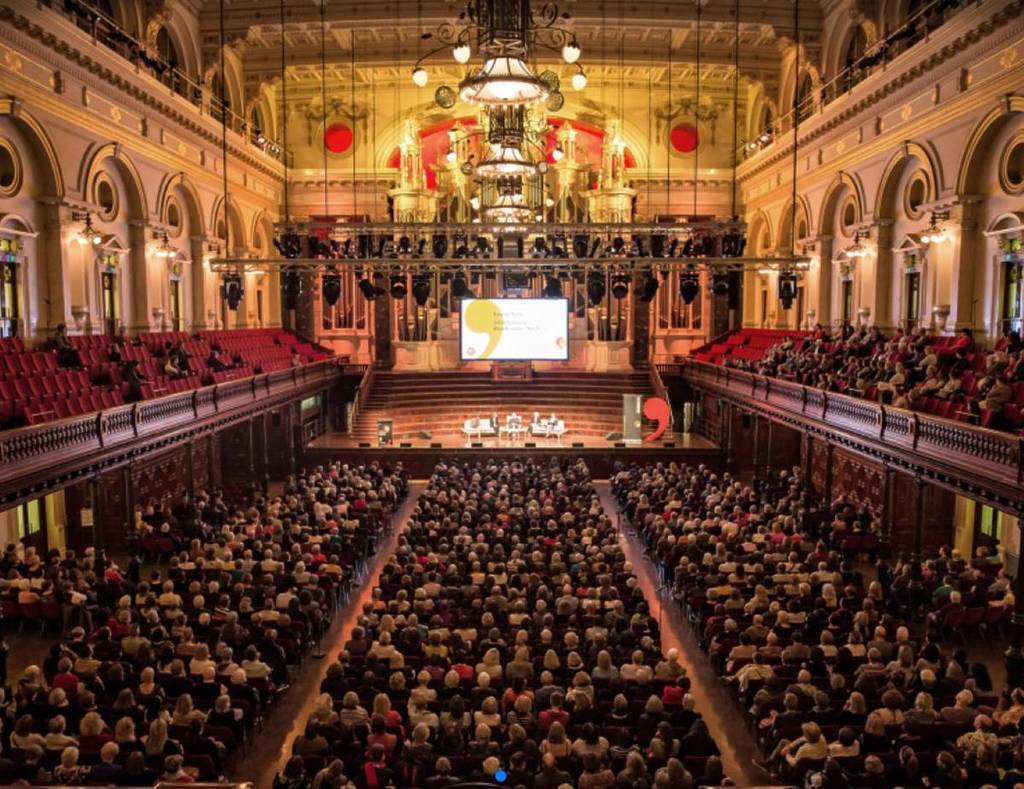

Sydney book lovers can dive into the 2026 Sydney Writers’ Festival for free this May, as organisers roll out more than 55 ticket‑free events across the city, from the State Library of NSW and Carriageworks right out to suburban branches in Epping, Ryde, Hornsby and Kirrawee.
With literary awards, live podcast recordings, political deep‑dives, queer dance parties and a full‑day family‑friendly program on Sunday, 24th May, the festival’s open‑access schedule positions itself as one of the most democratic stretches on Sydney’s cultural calendar.
Festival organisers estimate that more than 30 per cent of the 200‑plus‑event program is free, with the bulk of the no‑ticket events clustered in Carriageworks’ Bays 22–24 and the “In Your Neighbourhood” library program.
Awards, Theatre & Big Literary Names
The Sydney Writers’ Festival free run kicks off on Monday, 18th May with the 2026 NSW Literary Awards at the State Library of NSW’s Library Auditorium, where winners will be announced across fiction, non‑fiction, poetry and First Nations categories.
The evening doubles as a celebration of the quiet labour that underpins Australian writing: months‑long edits, editorial debates and the legwork of publishers who rarely get the spotlight.
On Tuesday, 19th May, the Sydney Theatre Company’s Wharf 2 stage hosts the Patrick White Playwrights Award announcement, followed by a live reading of the winning play, giving audiences an early look at bold new Australian writing that may soon land on major theatre stages.
It’s a reminder that Sydney’s reputation as a literary hub hinges as much on its theatres and rehearsal rooms as on its bookshops and libraries.
Politics, Power & Life In The Lodge
At Carriageworks’ Bay 24 on Thursday, 21st May, political commentators Barrie Cassidy and Tony Barry dissect the week’s headlines in a live recording of The Guardian’s podcast Back to Back Barries, bringing their insider‑style banter to a Sydney‑based audience.
Later that morning, the “What you didn’t know you needed to know about life in The Lodge” session sees Troy Bramston, Sean Kelly, Amy Remeikis and Niki Savva swapping stories about prime ministers past and present, blending policy with the more human, often awkward, realities of being in the top job.
Annabel Crabb teams up with constitutional scholars Rosalind Dixon and William Partlett later that afternoon to talk about the Australian Constitution, unpacking how the country’s democracy actually works—and how often it works by the skin of its teeth. The block of events feels especially sharp in a year when public trust, misinformation and the role of media remain central to national conversation.
Awaited Books & Debut Novels
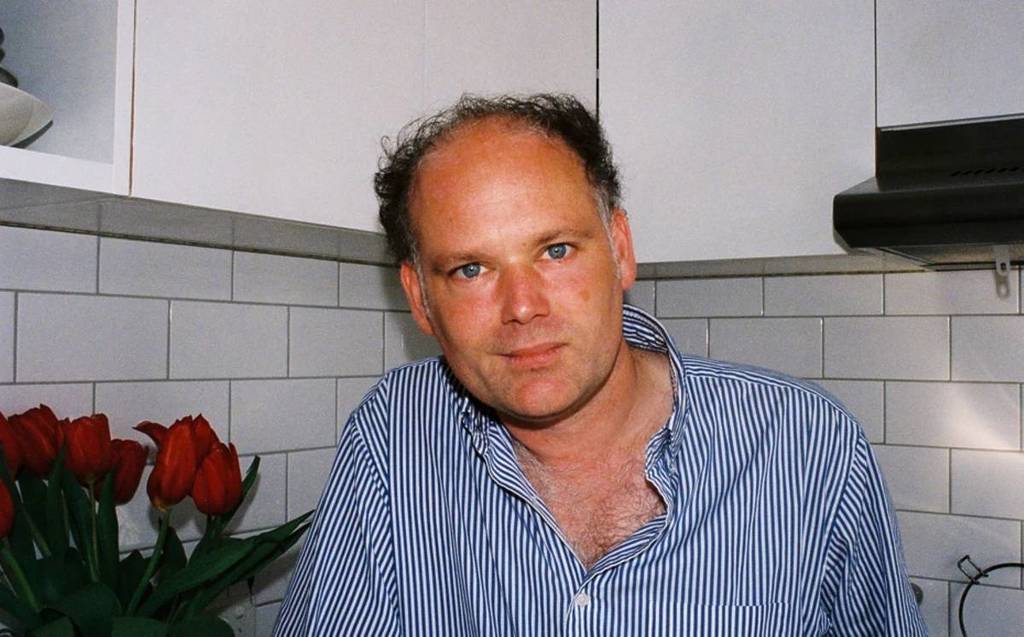
For readers with a perpetually over‑stuffed TBR pile, the “New and noteworthy books to add to your TBR pile” session on Thursday, 21st May offers a curated snapshot of fresh Australian fiction, with Rebecca Armitage, Tyree Barnette, Raaza Jamshed, George Kemp and Chloe Wilson talking up their latest releases.
Founding Editor of The Saturday Paper, Erik Jensen, keeps the tone loose and conversational, turning the panel into something closer to a savvy book‑club chat than a straight‑ahead sales pitch.
That same evening, the festival digs into the emotional afterlife of winning big prizes, as recent Miles Franklin winner Siang Lu, the 2026 Stella Prize‑winner and the 2026 Christina Stead Prize‑winner share what happens after the applause fades, with host Beejay Silcox steering the conversation toward the more vulnerable side of success.
It’s a rare moment where the festival’s glamour rubs up against the grind of staying relevant beyond that first headline‑grabbing win.
Comedy, Queer Joy & Taboos
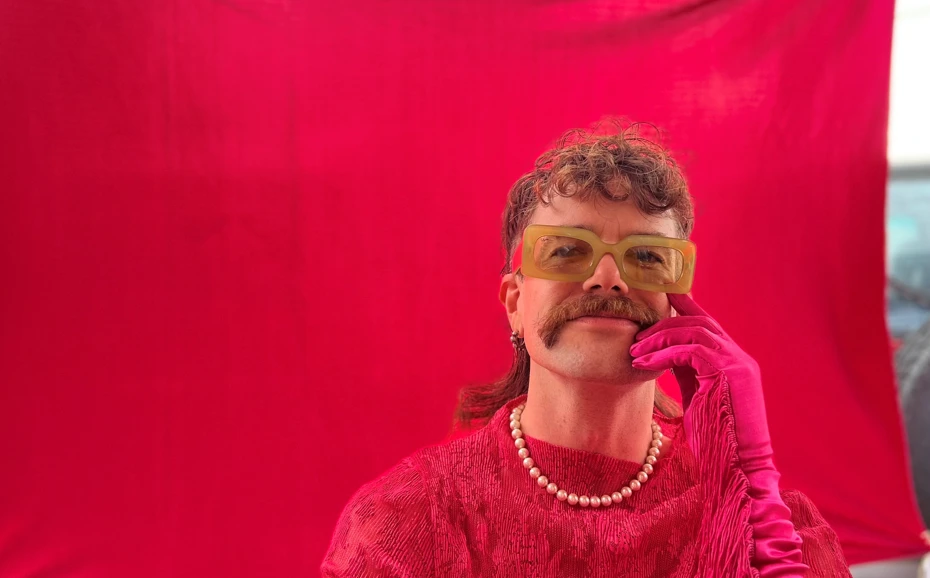
Laughter and storytelling collide in several free sessions, from a comedy‑writing panel featuring Shaun Micallef, Debra Oswald and Steve Toltz, who unpack the mechanics of set‑ups, punchlines and callbacks, to Are You Game Show, The Guardian’s wild and wonderful game show, where two teams of writers go head-to-head to test their common—and not-so-common—knowledge.
On Friday night, Carriageworks’ Bay 23 becomes a free dance floor as iconic Sydney DJ Aunty Jonny spins disco, house, techno and queer‑camp favourites, turning the industrial space into a communal party that feels less “literary” and more “let’s all sweat together.”
Later that evening, comedian Jennifer Wong curates a “Festival feast of wild stories and raucous laughter,” where writers including Durkhanai Ayubi, Natalia Figueroa Barroso, Debra Oswald and Michael Shaikh share food‑fueled tales that hover between dinner‑party disaster and feast‑of‑pride.
On Saturday, Benjamin Law’s Dicey Topics live return brings taboo subjects—mental health, money, family secrets and sexuality—into the open, with guest Lally Katz adding a dose of theatrical candour to the mix. It’s the kind of event that feels like a national conversation compressed into one frank, funny hour.
First Nations Tales & Community Voices
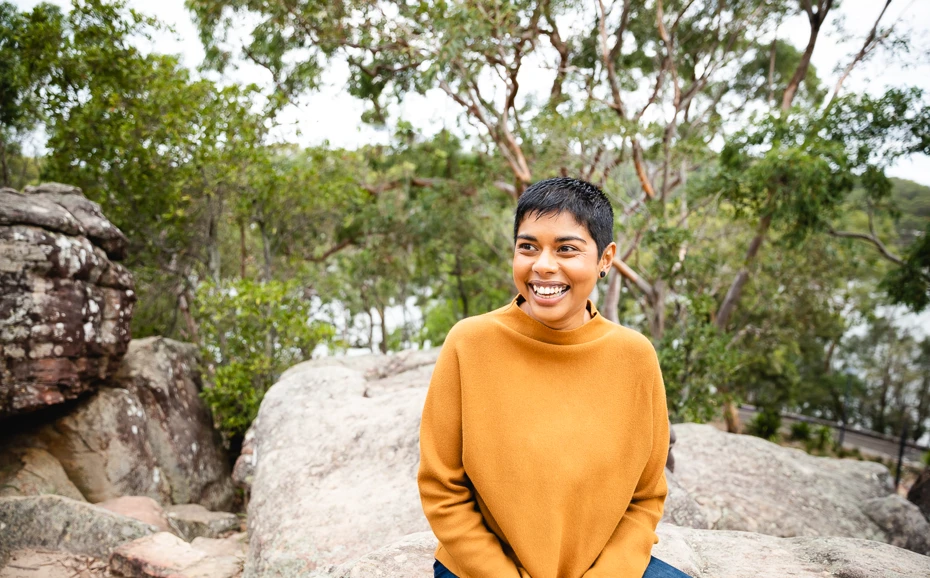
First Nations voices are threaded through the Sydney Writers’ Festival program, from a Friday‑lunch panel at Carriageworks’ Booktopia Stage, where writers Gary Lonesborough, Bruce Pascoe, Luke Patterson and Melanie Saward discuss the responsibilities and risks of telling stories about Aboriginal and Torres Strait Islander peoples within the justice system, to Saturday’s evening “Sky Stories” fireside at the Blacksmith’s Workshop.
There, Aboriginal writer and farmer Bruce Pascoe joins astrophysicist Ray Norris to blend Indigenous astronomy with climate‑crisis reflection, turning the festival’s focus on storytelling into a broader conversation about knowledge, land and time.
Crime‑writing also gets a First Nations angle at Kirrawee Library+ on Friday night, where New Zealand author Michael Bennett and debut novelist Angie Faye Martin discuss how their work reimagines the genre from an Indigenous perspective, with Dinuka McKenzie guiding the conversation. It’s a reminder that even genre‑driven fiction can become a powerful tool for reckoning with history and identity.
Family Day With Kids’ Activities & “Plant A Poem”
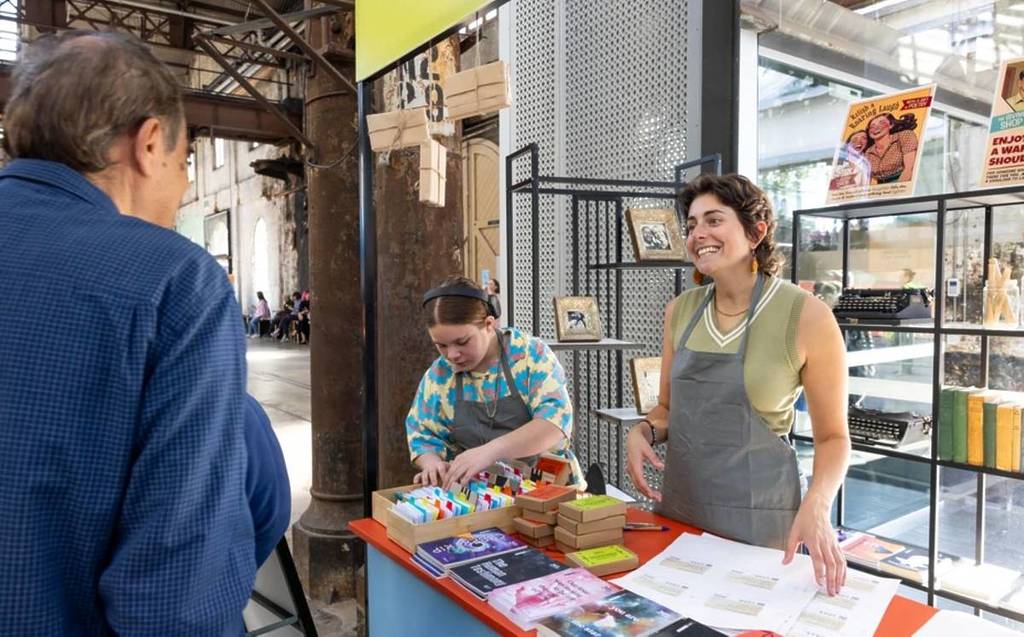
Sunday, 24th May is the festival’s family‑centred showcase, with Carriageworks’ Bays 22–24 transformed into a drop‑in wonderland of storytime sessions, craft stations, badge‑making, a “Where’s Wally?”‑style hunt and listening zones for kids of all ages.
Under the banner of Family Day, the program leans into the idea that literature is not simply about sitting quietly with a book but about playing, drawing, dancing and getting your hands dirty.
A standout moment is the “Plant a poem for the year ahead” installation in the Carriageworks public space, where young writers from Western Sydney hand‑write personalised poems paired with seeds.
Attendees can plant the seeds and, in theory at least, watch their hopes grow alongside whatever sprouts, turning a literary gesture into something stubbornly, beautifully alive.