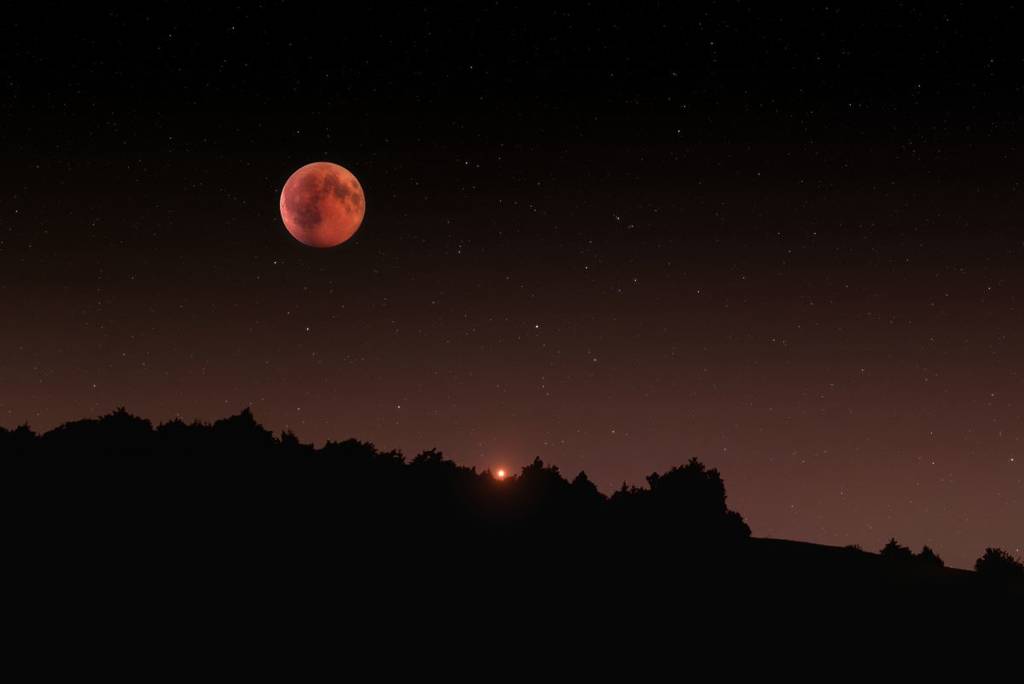
A rare celestial event will light up Sydney’s skies tonight. On Tuesday, 3rd March 2026, you’ll watch the Moon undergo a dramatic transformation right before your eyes. A total lunar eclipse will sweep across Australia and New Zealand, turning the Moon a mesmerising shade of crimson in what people poetically call a “Blood Moon”.
As Earth’s shadow slowly swallows the Moon, its bright surface will dim, then ignite in a deep red-orange glow—an otherworldly spectacle that has stirred myths, music and midnight skywatchers for centuries.
How To See The Blood Moon
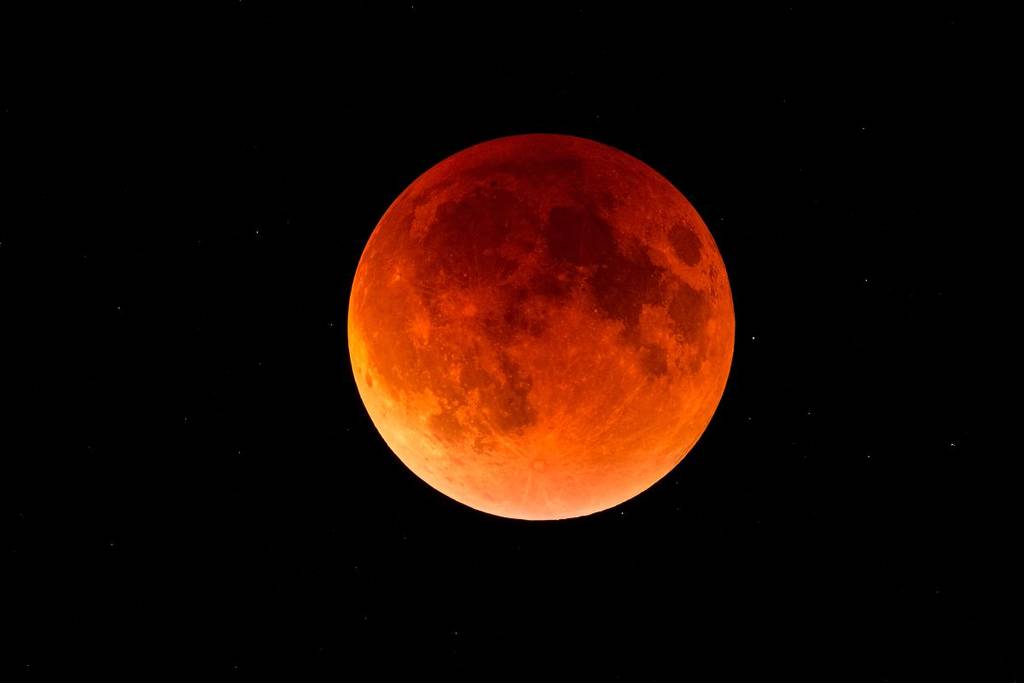
In Sydney, the eclipse begins at 7:44pm with the subtle penumbral phase. The partial eclipse follows at 8:50pm, as Earth’s shadow starts to visibly bite into the Moon. Totality begins at 10:04pm, with the Moon reaching its deepest blood-red glow around 10:33pm, before the spectacle gradually fades after 11pm.
If the weather cooperates, you’ll be able to catch it from anywhere with a clear view of the eastern sky—from backyards to parks and city rooftops.
Where To See The Blood Moon In Sydney
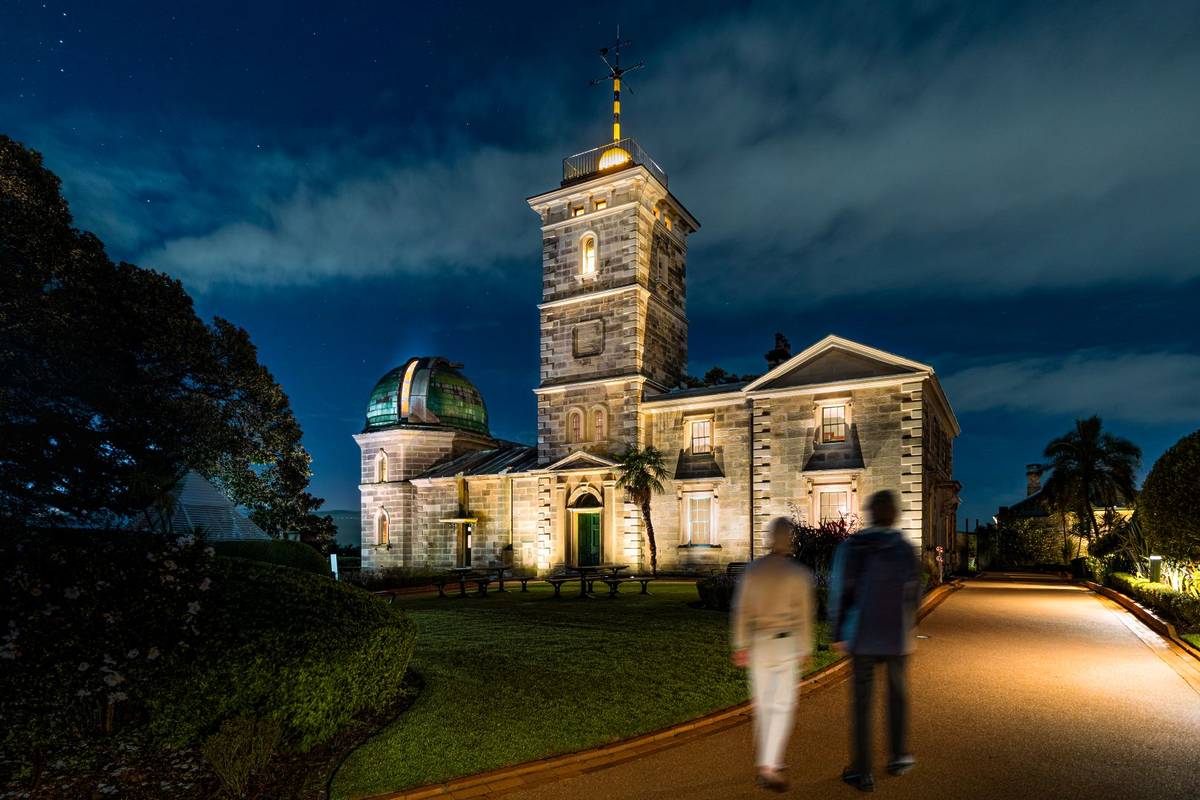
The Sydney Observatory opens its hilltop grounds for a free evening under the stars. This rare blood moon lunar eclipse will be visible through telescopes on-site and streamed simultaneously from Japan’s Nagoya City Science Museum as part of a special international broadcast from 9:15pm.
Cozy up on the lawns with a picnic blanket or camping chair and enjoy the view from Sydney’s highest natural point. Stargazers can chat with astronomers, join the Sydney City Skywatchers and explore current exhibitions including Southern Sky Astrophotography and I Put the Stars on the Ground.
This family-friendly outdoor event is free, but bookings are essential and will only go ahead under clear skies.
Key Details
Where: Sydney Observatory, 1003 Upper Fort Street, Millers Point (on Gadigal Land)When: 8pm-11:30pm
More On Lunar Eclipses
Unlike solar eclipses, this event doesn’t require any special equipment or eye protection— just a warm jacket, clear skies and a bit of patience. For the keen stargazers, binoculars or a telescope can reveal the Moon’s scarred surface glowing red against the inky night, making the experience even more breathtaking.
According to NASA, the Moon appears red during a lunar eclipse because sunlight passes through Earth’s atmosphere before reaching it. As the light travels through the atmosphere, shorter wavelengths (like blue) scatter away, while longer wavelengths (like red) pass through more easily. This filtered red light bends into Earth’s shadow and bathes the Moon in a coppery glow—the same process that makes sunsets appear fiery red.
So, whether you’re chasing the perfect eclipse photo, planning a moonlit picnic (albeit crimson) or simply gazing up in quiet awe, this is one night you’ll want to keep your eyes on the sky.
The next total lunar eclipse won’t happen again until 2028, so this one’s worth staying up for.