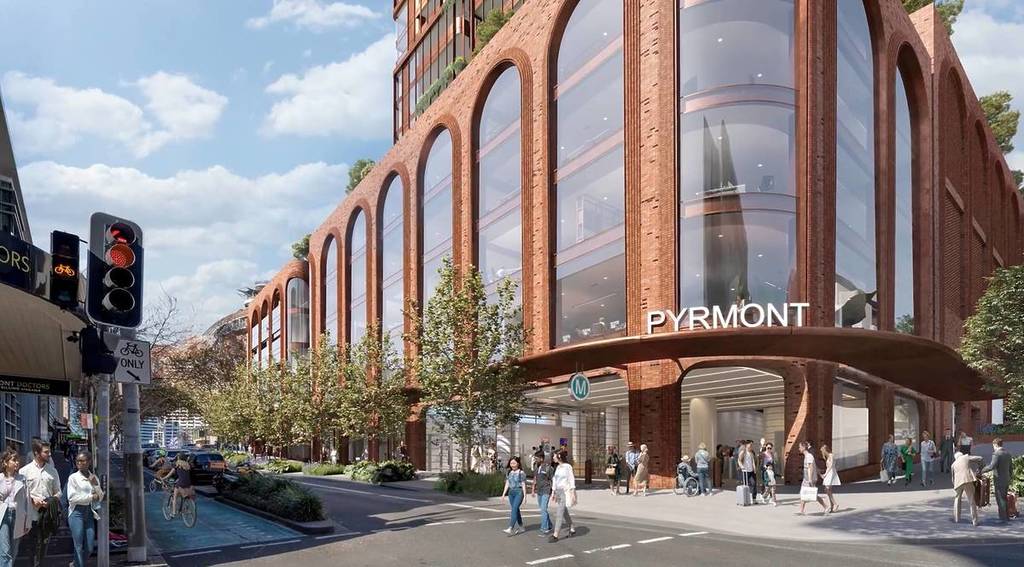

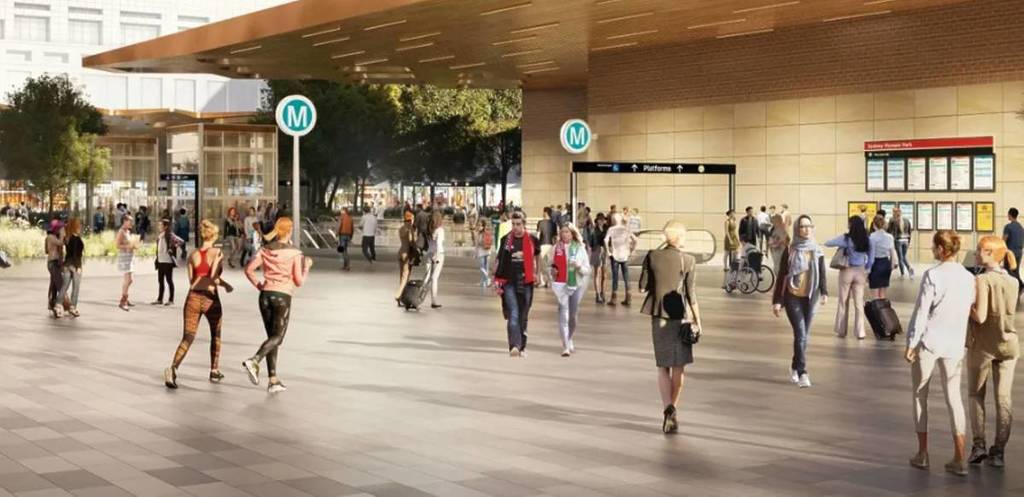
Sydney’s long-awaited Metro West line is starting to feel more real, with the first look designs of stations at Westmead, North Strathfield, Burwood North, Five Dock, The Bays and Hunter Street now released to the public. After years of tunnelling, the project is shifting from what’s underground to what commuters will actually see and use above ground.
With major tunnelling complete, the 24-kilometre Sydney Metro West line reaches a key milestone as early station works begin this month, with the project now costed in the mid‑$20‑billion (between $27 billion and $29 billion) range to reflect the scale of the tunnelling, stations and surrounding development
The work will involve delivering machinery, setting up site offices, investigating utilities and conducting surveys, with full construction set to begin by the end of the year. The government is pitching the line as more than a transport project, and the scale backs that up.
When it opens in 2032, Sydney Metro West will double rail capacity between Parramatta and the CBD, carrying 40,000 people per hour in each direction during the morning peak.
Stations With Sydney’s Local Finesse
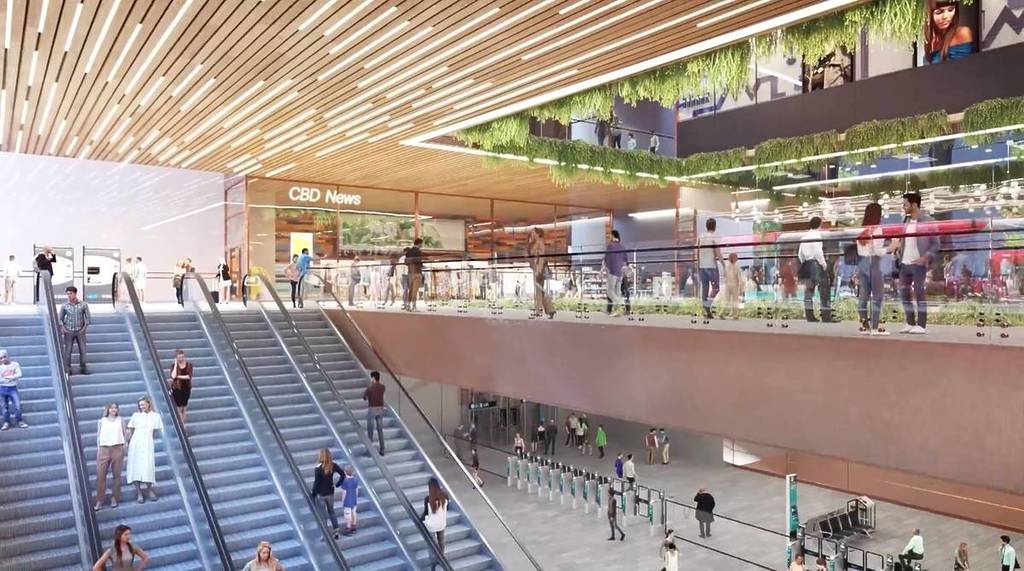
The station designs aim to do more than move people efficiently. Planners have shaped each one to reflect its neighbourhood, creating stations that feel welcoming, practical and integrated into the character of the surrounding area.
MetroVista will deliver the five stations at Westmead, North Strathfield, Burwood North, Five Dock and The Bays. Design work will be handled by a team of architecture firms, with final design completion due in early 2027.
Meanwhile, Hunter Street will serve as the flagship city station, with construction of the station and its surrounding precinct set to begin later this year once cavern excavation finishes.
Housing Follows The Rail
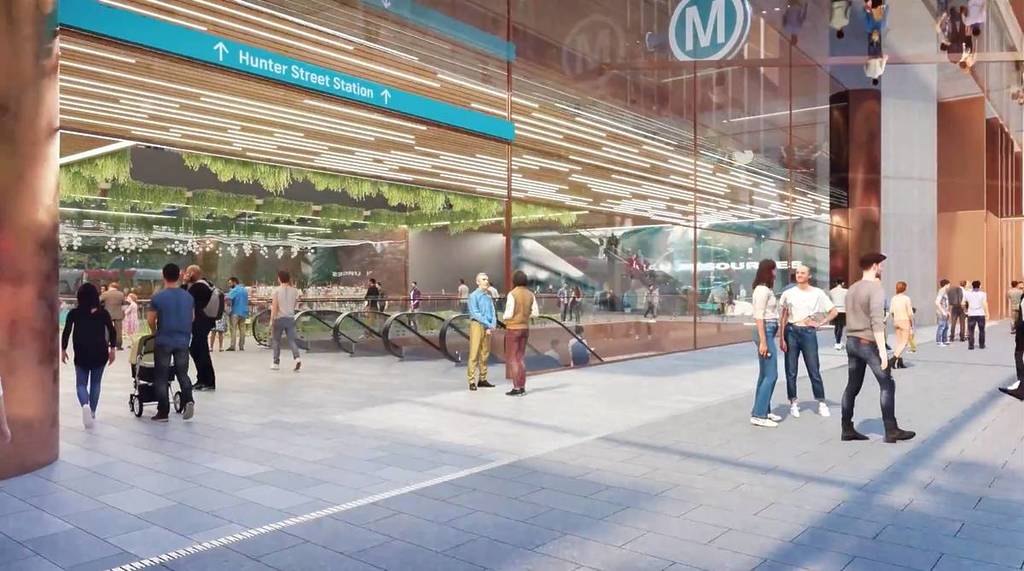
Metro West is also driving housing reform, with the stations linked to some of the state’s largest rezoning plans.
The Sydney Olympic Park precinct will build 15,000 homes, Burwood North up to 18,000 and North Strathfield another 18,000, while The Bays and Pyrmont also prepare for major residential growth.
That strategy lies at the heart of the government’s plan: build the transport first, then layer in more homes, jobs and public spaces around it. In practical terms, planners are designing the line to move passengers faster and reshape where people live and work across the city.
What Happens Next
The next phase is now moving quickly. The project team will announce the remaining contracts for Parramatta, Sydney Olympic Park and Pyrmont by the end of the year, while construction across the broader line will ramp up through 2026
For Sydney, the plan promises faster cross-city travel, denser precincts around the rail and a new backbone for the city’s west.
The question now is less about whether Metro West is happening, and more about how dramatically it will redraw the map once it does.