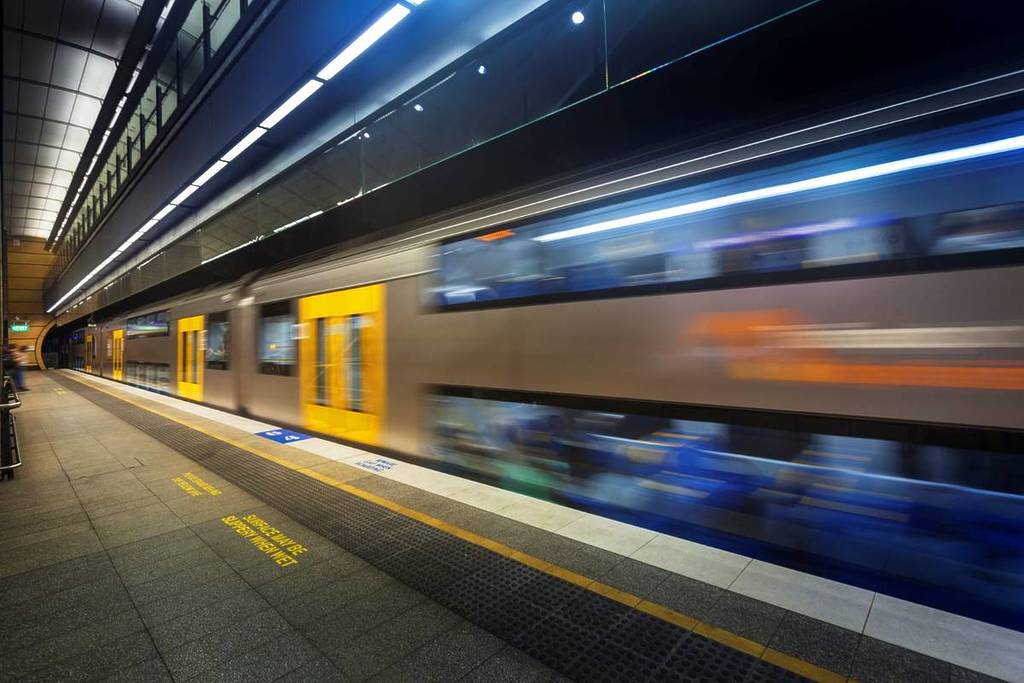

The dream of zipping from Newcastle to Sydney in just one hour is a step closer, with the Albanese Government announcing the start of the development phase for Australia’s first high-speed rail line.
The $659.6 million, two-year project marks the most significant progress yet for a transport plan that has hovered on the national agenda for decades. The new phase will see detailed design, environmental assessments and cost planning begin on “Line 1”—the stretch linking Sydney, the Central Coast and Newcastle.
When complete, the line promises to cut the journey from Newcastle to Sydney’s Central Station to around 60 minutes, and from the Central Coast to either city to just 30. For commuters and regional travellers, that’s the difference between a slog and a stroll.
Minister for Infrastructure Catherine King said the government’s focus was on careful delivery, not rhetoric.
“High-speed rail between Newcastle and Sydney will change the way people live, work and travel in our country’s most populous region,” King said. “This development phase will lay the foundations for delivery of high-speed rail… ensuring we secure the rail corridor and undertake detailed planning before we start building.”
The newly released business case—prepared by the High Speed Rail Authority—estimates the project could inject $250 billion into the national economy over the next 50 years, while also creating nearly 100,000 jobs, primarily in construction, advanced manufacturing, and tourism.
A Slow Start to a Fast Network
While countries such as Japan, China, and Spain have long mastered high-speed train travel, Australia has lingered in the slow lane. The Newcastle–Sydney route is intended as the first leg of a larger network connecting Brisbane to Melbourne—a vision first orignally floated in the early 1980s.
Director of the Monash Institute of Railway Technology, Professor Ravi Ravitharan, said Australia could capitalise on decades of international experience.
“From a technical perspective, high-speed rail requires a dedicated track to run safely at 250–300 kilometres per hour,” he said. “The advantage for Australia is that this is a mature technology—we can learn from proven networks across Asia and Europe.”
Ravitharan, whose institute has worked with global leaders including Hong Kong’s MTR and the Taiwan High Speed Rail, says engineering challenges such as variable terrain and reactive clay soils are manageable with modern techniques and design.
More On The High-Speed Rail
Before construction begins, the government will assess financing options, including potential private investment. Once the full design and costings are finalised, a separate investment decision will determine the next phase—building the rail corridor itself.
If the development phase runs to schedule, the first shovel could hit the ground before the end of the decade.
For now, the countdown to cutting that commute to an hour has officially begun—and for thousands of workers and weekend travellers, that’s a train worth waiting for.