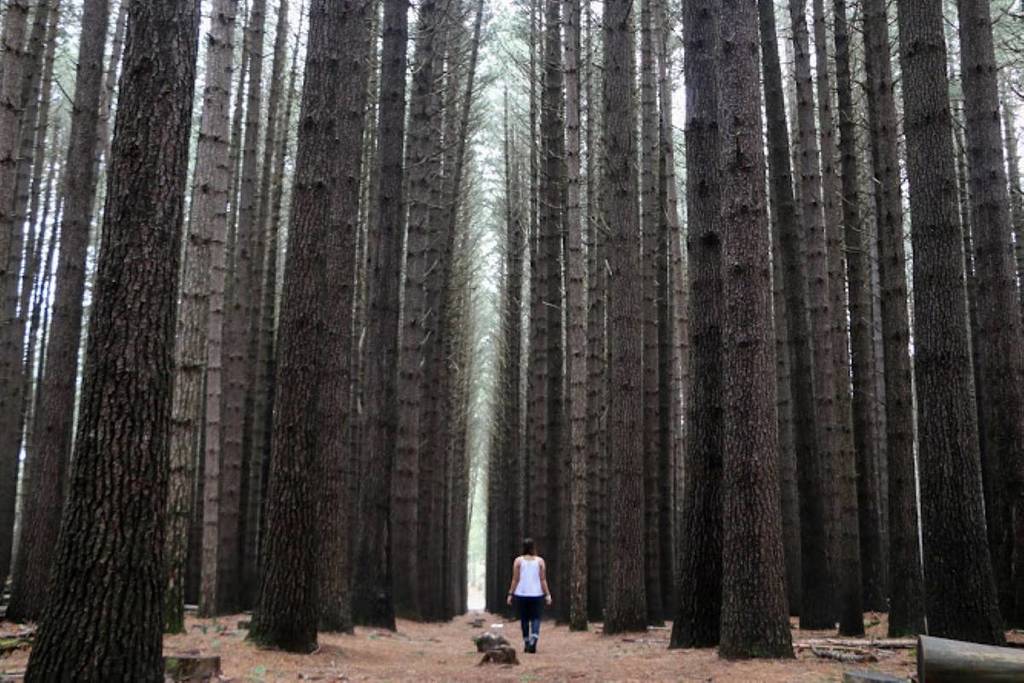

There was a collective heartbreak across New South Wales in 2020 when the iconic Sugar Pine Walk—a haunting corridor of 100-year-old giants that made you feel like you’d stepped onto a North American movie set—was lost to the Black Summer bushfires.
But nature, and a determined community, have a way of fighting back. While the original 1928 grove is gone, a new chapter has officially begun. If you’ve been craving that crisp alpine air and the sight of towering golden pines that look “un-Australian,” it’s finally time to head back to the Snowy Valleys.
The Phoenix of the Forest: The Resilience Grove
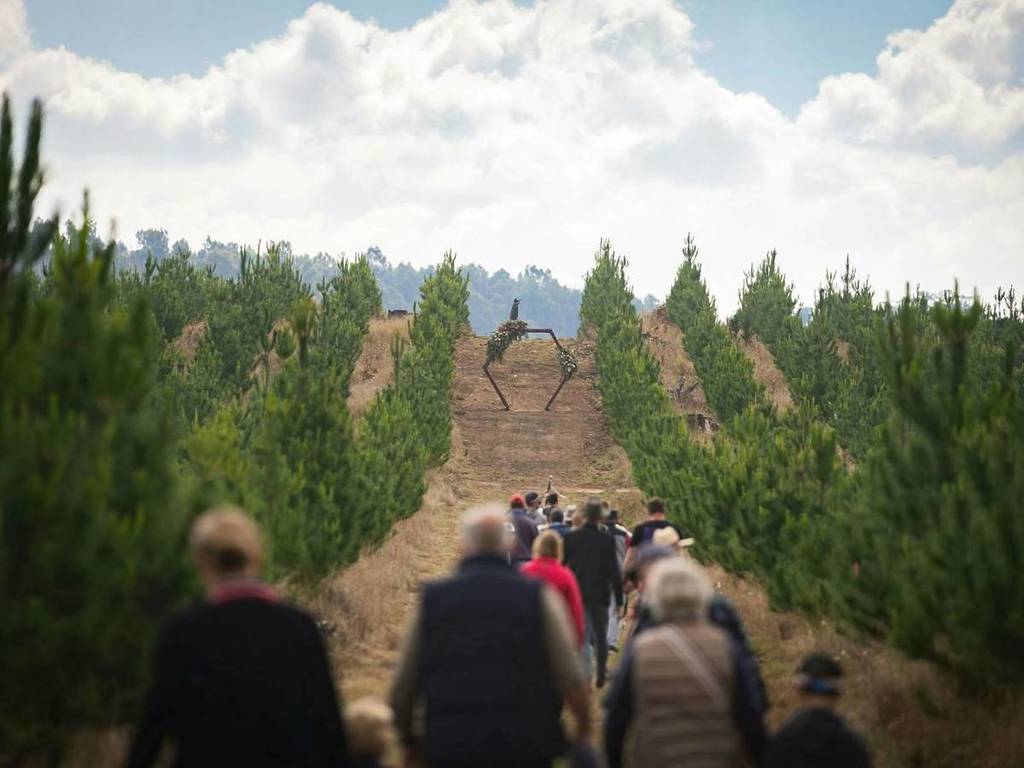
At the heart of the reborn Sugar Pines Visitor Area is the newly minted Resilience Grove—a living tribute to what stood before. In a remarkable feat of conservation, local nurseries managed to propagate seedlings from the original 1928 trees before the site was cleared.
Now replanted, these descendants—the “children of the giants”—will one day restore the cathedral-like atmosphere that once drew travellers from across the country.
Forestry Corporation of NSW, together with local partners, has also created family-friendly spaces woven through the grove: a picnic area, a children’s playground and even a wedding arbour perched high on the hilltop.
The project is part of a broader vision to revive Bago State Forest, blending natural regeneration with tourism designed to support surrounding communities hit hard by the fires.
Things To See Nearby
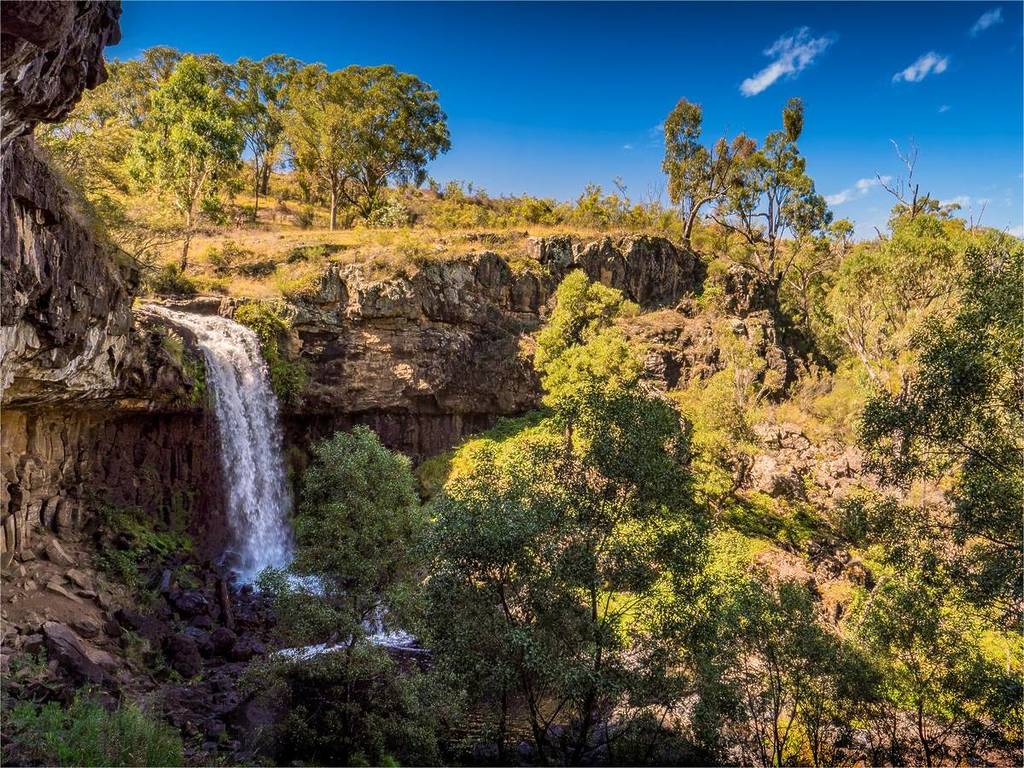
Nearby, Pilot Hill Arboretum showcases a world-class botanical collection featuring more than 50 tree species from around the globe, alongside interactive “Wellness Walk” sound pods designed to enhance the experience. Not far away, Paddy’s River Falls offers a striking natural contrast, with a dramatic cascading waterfall, scenic lookouts and a walking trail down to the base, where visitors can take in the cool mist up close.
Don’t worry if the young grove seems small—the new Bago Sculpture Forest surprises visitors with its jaw-dropping scale. Integrated into the site, these world-class art installations transform the forest into an open-air museum, with standout works like Grid Study IV by Stephen King set against the pine forest backdrop.
The combination of art, forest and mist is already lighting up social feeds, with visitors insisting it feels more like wandering through Northern American woods than regional NSW.
Where To Dine Nearby
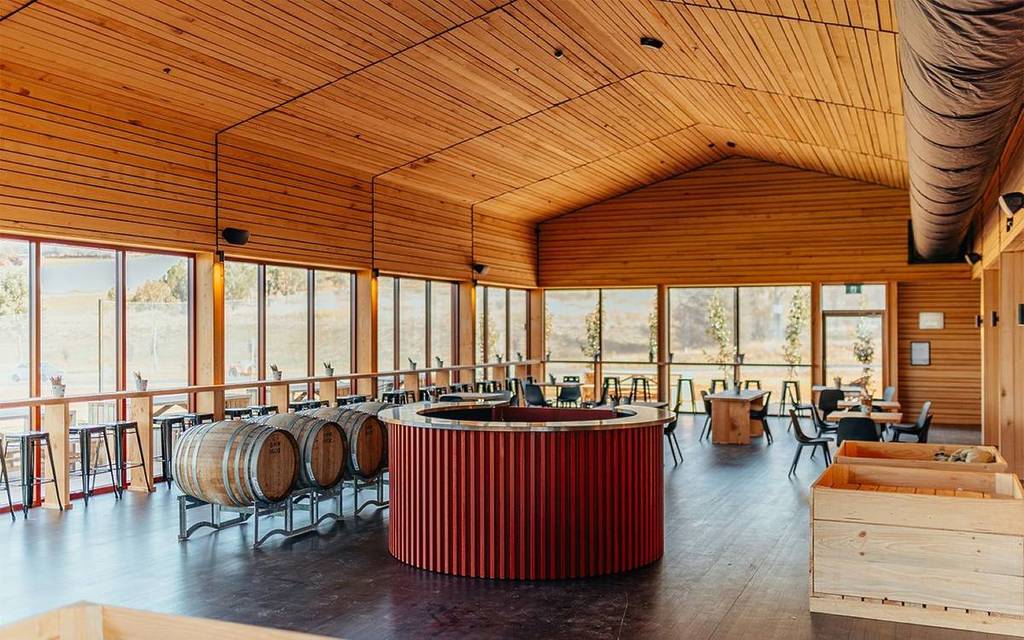
In the region, The Apple Thief Cider House offers a stylish tasting bar and café with casual dining and picnic platters beneath the apple trees. Café Nest is a local favourite, serving a creative seasonal menu and even hosting a boutique cinema for a “dinner and a movie” experience.
For wine lovers, Courabyra Wines combines an award-winning cellar door with a premium steakhouse and panoramic vineyard views. Meanwhile, The Batlow Hotel delivers a classic regional vibe with its renovated historic pub, modern bistro menu, and inviting beer garden.
Autumn Is the Magic Hour
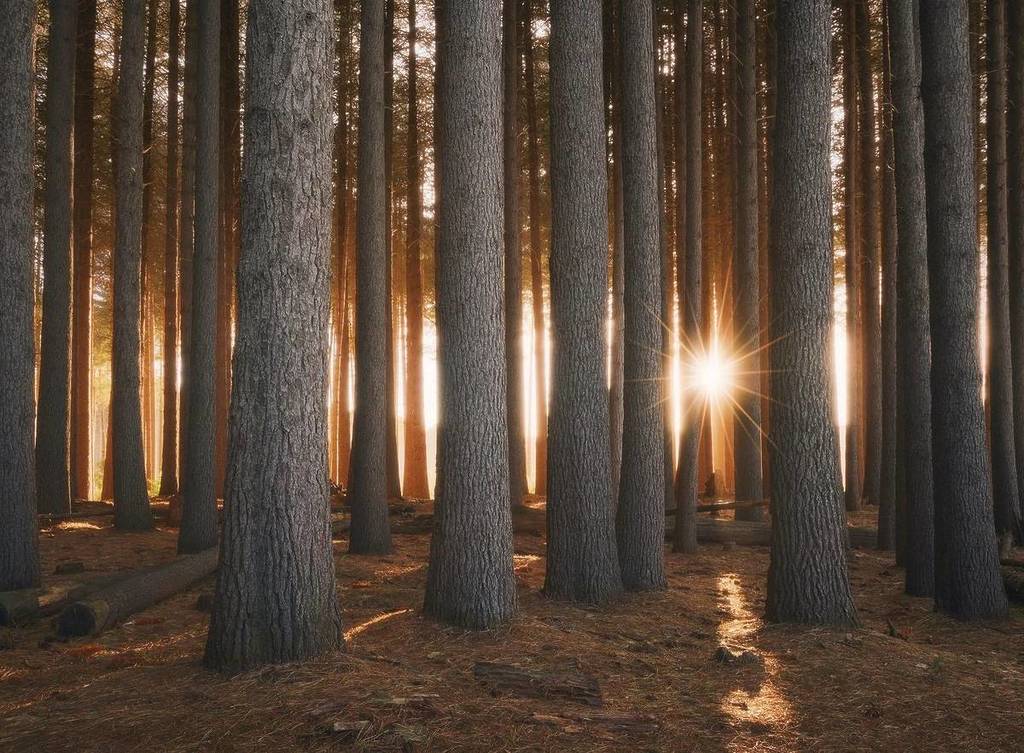
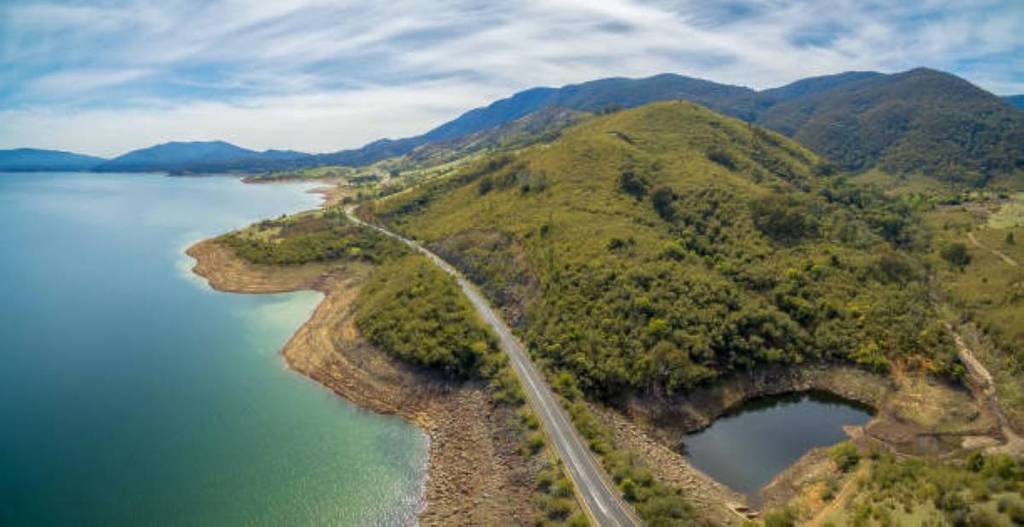
The grove itself stays evergreen, but the drive to Laurel Hill through Batlow and Tumbarumba bursts to life in autumn. Between late March and early May, the Snowy Valleys surge with golds, scarlets and amber hues—all made richer by the cool air that seems to sharpen every colour.
Bring a camera (and a thermos). Even when Sydney basks in warmth, the elevation here means fog clings to the ridgelines and the temperature drops fast—perfect for that moody, mountain-forest aesthetic that made the original walk so beloved.
Getting There
By Car
If you’re driving from Sydney, take the M31 (Hume Highway) south toward Goulburn/Wagga Wagga, then follow signs to Tumut or Tumbarumba. You can reach the Bago State Forest’s Sugar Pines Walk via Forestry Road, about a 4–4.5-hour drive.
By Public Transport
Take an NSW TrainLink train to Wagga Wagga or Cootamundra, then hire a car or taxi for the final 1.5-hour drive to the forest.
Plan Your Visit
- Location: Bago State Forest, Laurel Hill (near Batlow and Tumbarumba)
- Best time to visit: Late March to early May for peak autumn colour
- Cost: Free entry
- Facilities: Picnic areas, nature playground, parking, public toilets (note: limited accessibility)
For travel details, directions and more nearby attractions, visit Forestry Corporation of NSW and Visit NSW.