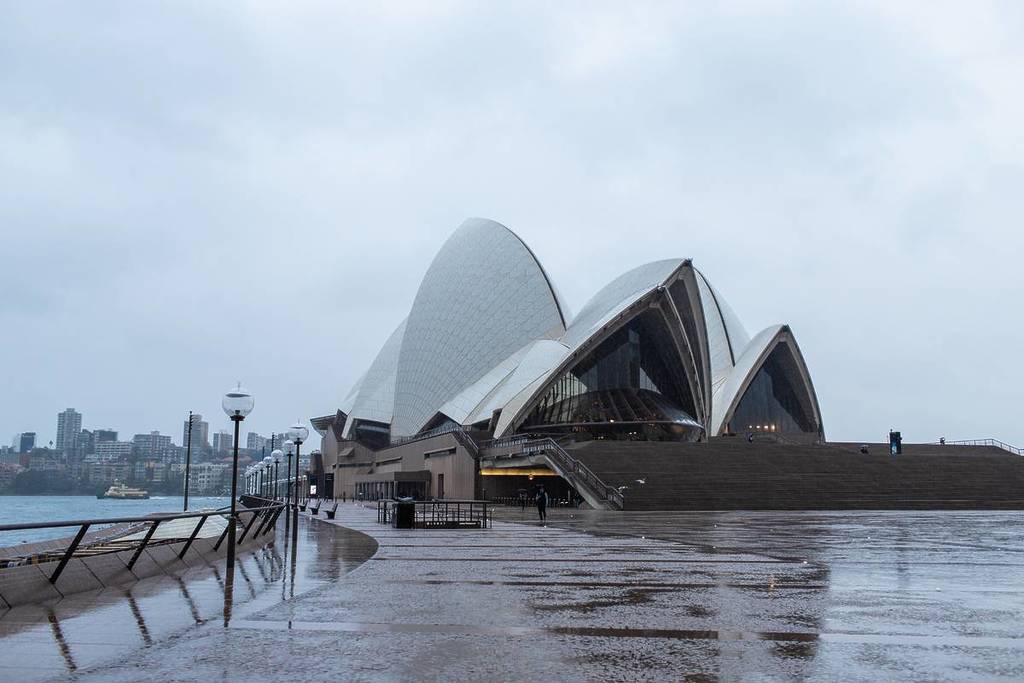

Autumn is all but over across New South Wales, as a relentless low-pressure pattern replaces the final weeks of the season with an unseasonably grey and sodden stretch. What began as scattered showers and overcast skies is now building into a more volatile system, with forecasters warning conditions are set to intensify over the next few days. Rain is expected to become more widespread through the week, with heavier falls developing across multiple regions as the system tracks east. In Sydney, the run of grey, wet weather is likely to continue, with frequent showers and the chance of heavier rains at times. Along the coast, conditions are also expected to worsen, with rough surf and gusty winds developing alongside the rain.
Heavier rainfall forecast across multiple regions in NSW
Rainfall is expected to increase across the state over the coming days, with the heaviest and most consistent falls forecast across the state’s inland and elevated regions. Areas including the Central West, North West Slopes and New England are likely to bear the brunt of the system, with widespread daily totals sitting in the range of 20 to 40 millimetres.
Isolated severe thunderstorms could easily push those local 24-hour totals past 50 millimetres in some areas. Because this low-pressure pattern is expected to stick around for most of the week, cumulative rainfall across these regional communities could total 100 millimetres by Friday. This marks a sudden turnaround for towns that have seen very little rain over the past couple of months.
Alongside the rain, conditions along the coastline are deteriorating quickly. The Bureau of Meteorology has issued hazardous surf warnings spanning major sections of the coast, including the Byron, Coffs Coast, Macquarie, and Hunter regions. According to Weatherzone, the system is being driven by a slow-moving weather pattern, creating unstable conditions that can bring widespread rain, thunderstorms and gusty winds. The same pattern is expected to extend beyond NSW, with wet weather forecast across much of eastern and southeastern Australia, including Victoria, Queensland and the ACT over the coming days.
For the latest updates, check Weatherzone or the Bureau of Meteorology Twitter page for current forecasts and warnings.