


Longer evenings are one of the perks of daylight saving in Sydney, but a renewed push to change the state’s clocks could see the annual season significantly shortened. A bill recently introduced to NSW Parliament proposes cutting daylight saving from six months to four, potentially changing everything from morning routines to the time difference between Australia’s eastern capitals. While the proposal is yet to become law, it has brought a longstanding debate over the benefits and drawbacks of daylight saving back into focus. Here’s what’s being proposed and what it could mean for Sydneysiders.
What’s behind the push to shorten daylight saving?
As reported by Yahoo News, the legislation was reintroduced on November 12 by NSW Nationals MP Geoff Provest, who represents the Tweed electorate on the state’s far north coast. It follows an earlier attempt in May, with Provest arguing that the current six-month arrangement creates difficulties for families, workers and businesses.
Recommended Articles
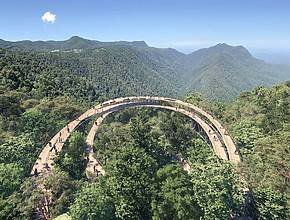 A new 46km walk is coming to NSW – winding through rainforests, waterfalls and incredible views
 A new 2km walking trail has opened in Sydney’s north – with lakeside scenery and towering cliffs
Under the proposed amendments to the Standard Time Act 1987, the clocks would go forward a month later in spring and back a month earlier in autumn. For Sydneysiders, this would mean losing an extra hour of evening daylight in October and March, while summer evenings would remain unchanged. Here’s how the two arrangements compare:
- Current: First Sunday in October to the first Sunday in April
- Proposed: First Sunday in November to the first Sunday in March
What would the changes mean for interstate time differences?
NSW, Victoria and the ACT currently follow the same daylight saving schedule. If NSW were to shorten its season independently, Sydney would be an hour behind Melbourne and Canberra for approximately two months each year. This could complicate interstate travel, business operations and work schedules, particularly for communities along the NSW-Victoria border.
However, the proposed changes could benefit residents along the NSW-Queensland border. Queensland does not observe daylight saving, creating a six-month time difference between neighbouring communities that share workplaces, schools and essential services.
Will daylight saving actually be shortened in NSW?
The proposal remains in its early parliamentary stages. Introduced as a private member’s bill, the legislation is awaiting further debate in the Legislative Assembly and is scheduled to lapse on March 24, 2027, unless it progresses. The earlier version of the bill lapsed in September this year.
For now, the existing daylight saving schedule remains unchanged, with clocks due to go back one hour on Sunday, April 4, 2027.
We’ll keep you updated as the bill progresses. In the meantime, you can read more about the proposed changes on the Parliament of New South Wales website.
