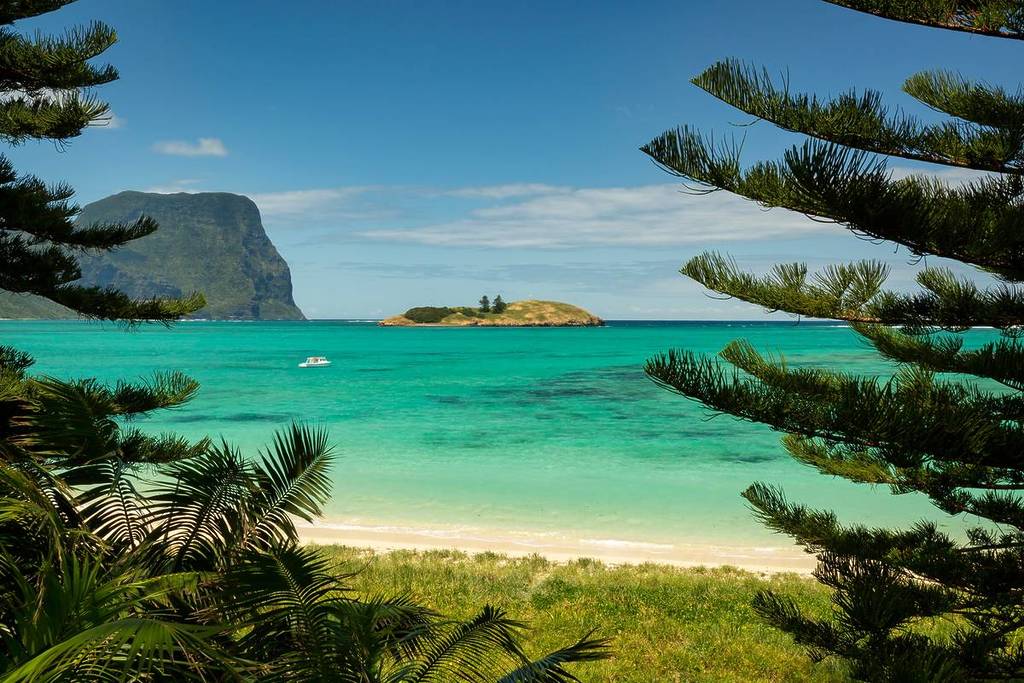

In a state filled with natural wonders — from the expansive Capertee Valley to the rugged cliffs of the Blue Mountains and the powder-white beaches of the South Coast, it takes something truly distinct to stand out. One outlier is Lord Howe Island, a small volcanic crescent sitting in the Tasman Sea roughly 600 kilometres off the NSW coast, and it’s stopped even the most seasoned travellers in their tracks, including the world’s most famous naturalist. Sir David Attenborough famously described the island as “so extraordinary it is almost unbelievable” after visiting in 1998 to film The Life of Birds, when he climbed the mist-covered peaks of Mount Gower and encountered its notably tame Providence petrels, later observing that few islands “can be so accessible, so remarkable, yet so unspoilt.” Here is everything you need to know about Lord Howe Island before planning a trip.
Things to do on Lord Howe Island
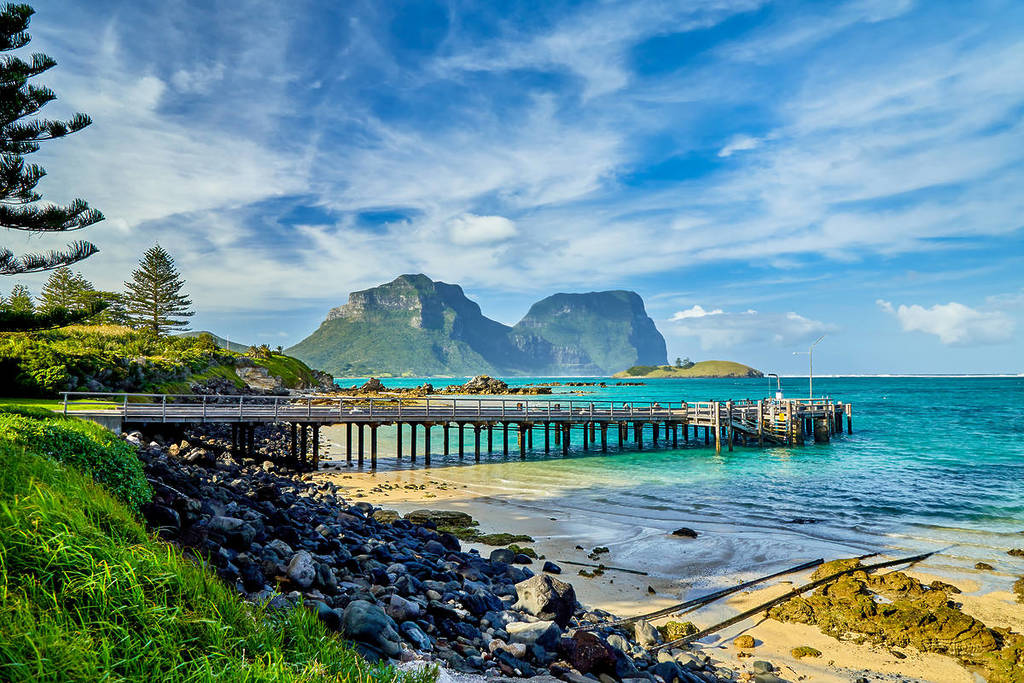
Despite its tiny size — just 11 kilometres from end to end — the island is packed with things to see and do. The climb up Mount Gower is a bucket list highlight — an 8-hour guided trek that climbs 875 metres through dense forest to the summit. Touted as one of the most challenging, and rewarding hikes in Australia, it’s a serious physical undertaking but well worth the effort. For something more manageable, the Malabar Hill track offers a shorter loop with sweeping coastal views and regular seabird sightings.
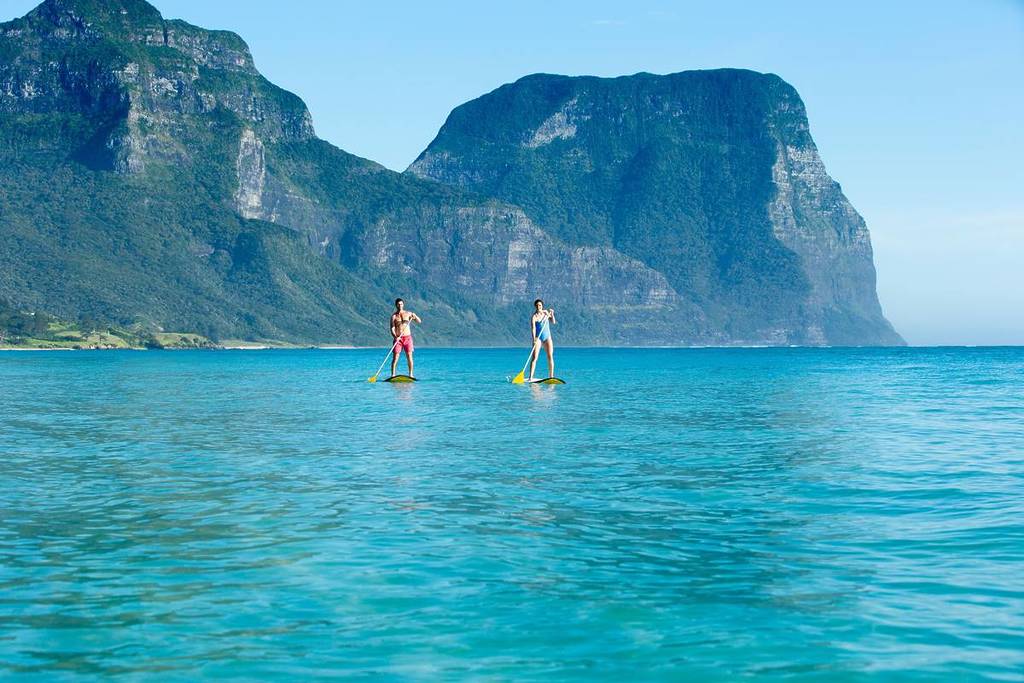
Meanwhile, the year-round Caribbean-blue lagoon on the western side is home to the world’s southernmost coral reef, and it’s easily accessed — you can swim or snorkel straight from the shore to see turtles, reef fish and coral formations. Further around the coast, Ned’s Beach offers crystal-clear waters, ideal for kids and families and an amazing diversity of coral, fish and marine life. If you’re after surf, the locals head to Blinky Beach, with consistent waves and scenic views. For the ultimate offshore adventure, you have to head 23 kilometres south to Ball’s Pyramid. Rising 551 metres straight out of the Pacific, this jagged basalt spear is the world’s tallest sea stack. The diving and snorkelling at its base are world-class, offering a chance to see rare marine life in some of the most pristine water in the region.
Because of the island’s subtropical climate, the ocean remains inviting well into autumn and winter, making it a viable escape year-round, and with a strict 400-person visitor cap, you never have to worry about crowds, regardless of the seasons.
Key features
- Where: Lord Howe Island, Tasman Sea
- Landscape: Volcanic island with a sheltered lagoon, sea cliffs and subtropical forests
- Best for: Walking, snorkelling, swimming, cycling, rare wildlife spotting
- Getting around: Primarily on foot or by bike, with limited car use
- Connectivity: No mobile phone reception across the island
- Entry fee: No island entry fee, but accommodation availability is limited and should be booked in advance
- Best time to visit: September to May for swimming and snorkelling; autumn and winter for milder weather and walking trails
Read more about Lord Howe Island and find accommodation options here.
Getting there
Lord Howe Island can be reached by air, with regular flights operating from Sydney and Brisbane. The flight takes around 2 hours from Sydney, landing at the island’s small airport. Because the island enforces a strict visitor cap, you need to book your flights and accommodation simultaneously, often months in advance, to secure a spot. On arrival, accommodation providers usually arrange transfers, and from there, getting around is straightforward — most places are within walking or cycling distance.