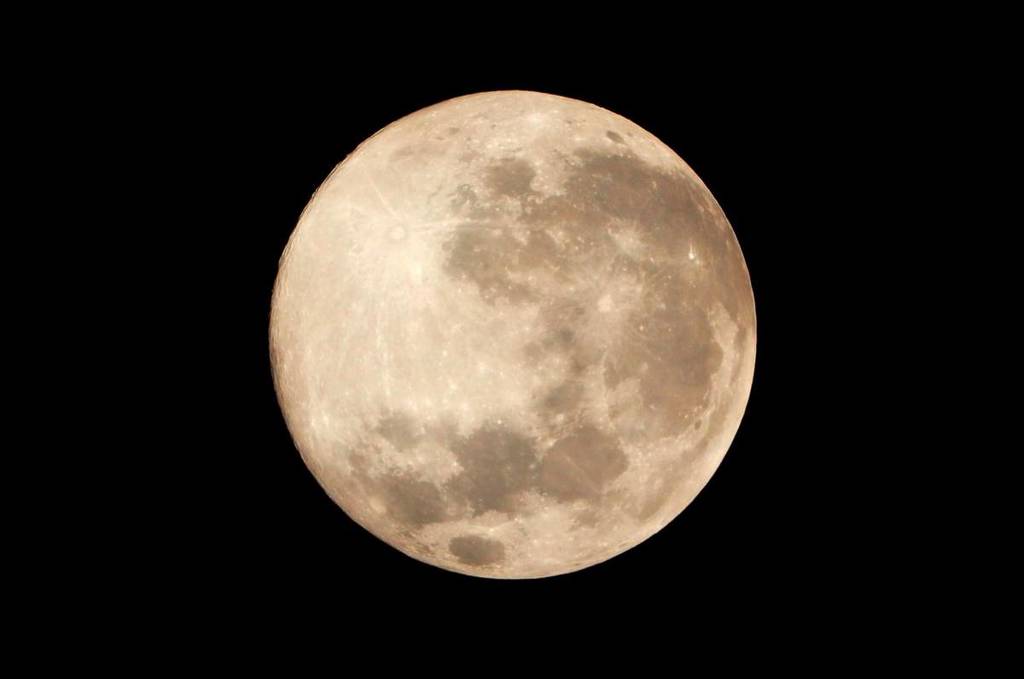

Sydney skies are putting on a celestial show from this evening as May’s full “Flower Moon” rises—offering a slightly different appearance of the luminous globe this time, with a subtle twist visible to keen observers.
What Time To See The Flower Moon in Sydney?
The 2026 Flower Moon will technically peak at 3:23am AEST on Saturday, 2nd May, but Sydneysiders won’t need to set an alarm to catch it.
The best viewing is expected earlier, during moonrise on Friday evening, when the moon lifts above the eastern horizon just after sunset and appears at its largest.
However, astronomy watchers are being urged to look up from around 4:30-5:30pm today, with the most dramatic views expected shortly after 6pm, as the moon takes on a warm, reddish-orange glow—a result of Earth’s atmosphere scattering shorter wavelengths of light. It’s a fleeting effect, but one that can make the moon feel unusually close.
Where To See the Flower Moon in NSW?
In Sydney, North Head in Manly offers one of the city’s most dramatic vantage points, with elevated cliff-top views straight out to the Pacific Ocean, where the Flower Moon will rise over the horizon ahead of most inner-city locations. At Hornby Lighthouse in Watsons Bay, visitors get sweeping 180-degree ocean views, with the iconic red-and-white structure providing a striking silhouette for photos as the moon appears.
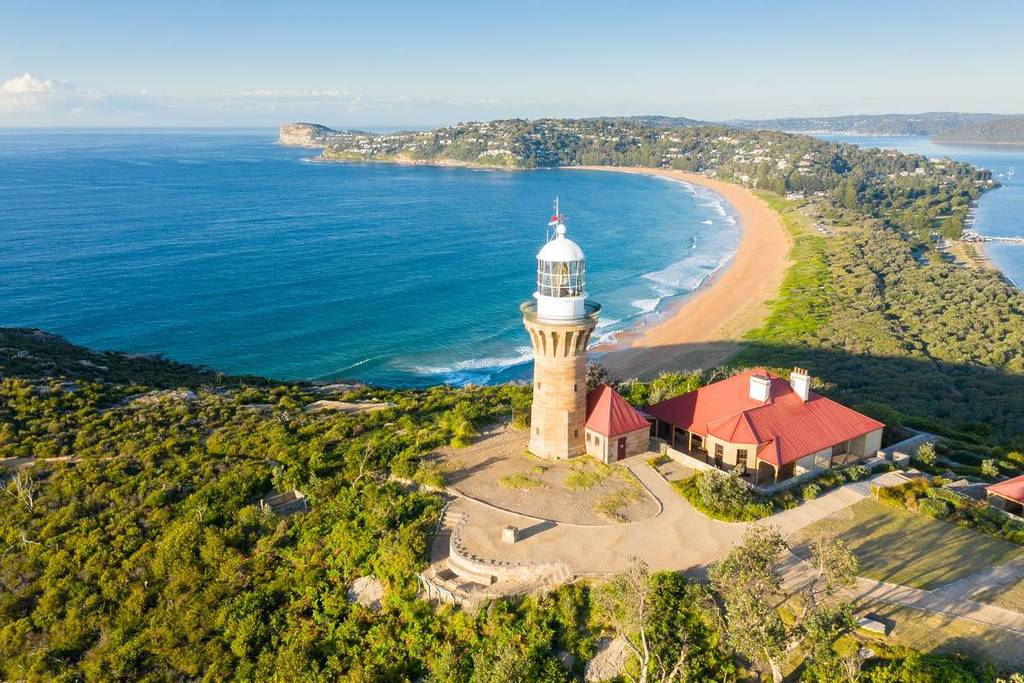
Over at Barrenjoey Lighthouse in Palm Beach, a short but steep twilight walk leads to a panoramic lookout where the moon rises over the ocean while Pittwater stretches out behind you. For something more relaxed, Bronte and Coogee beaches provide easy access and wide eastern views, where crowds can settle in on the sand or nearby parkland to watch the moon lift directly from the sea.
In regional NSW, Cape Byron Lighthouse in Byron Bay stands out as the most easterly point on mainland Australia, making it the first place in the state to see the Flower Moon rise. In the Blue Mountains, Govetts Leap in Blackheath offers a more atmospheric experience, where the moonlight spills across the vast Grose Valley rather than a direct ocean horizon.
Meanwhile, Warrumbungle National Park, Australia’s first Dark Sky Park, delivers a striking contrast of its own, with the bright full moon rising over near-total darkness, free from city light pollution.
Why This Full Moon Is A “Micromoon”?
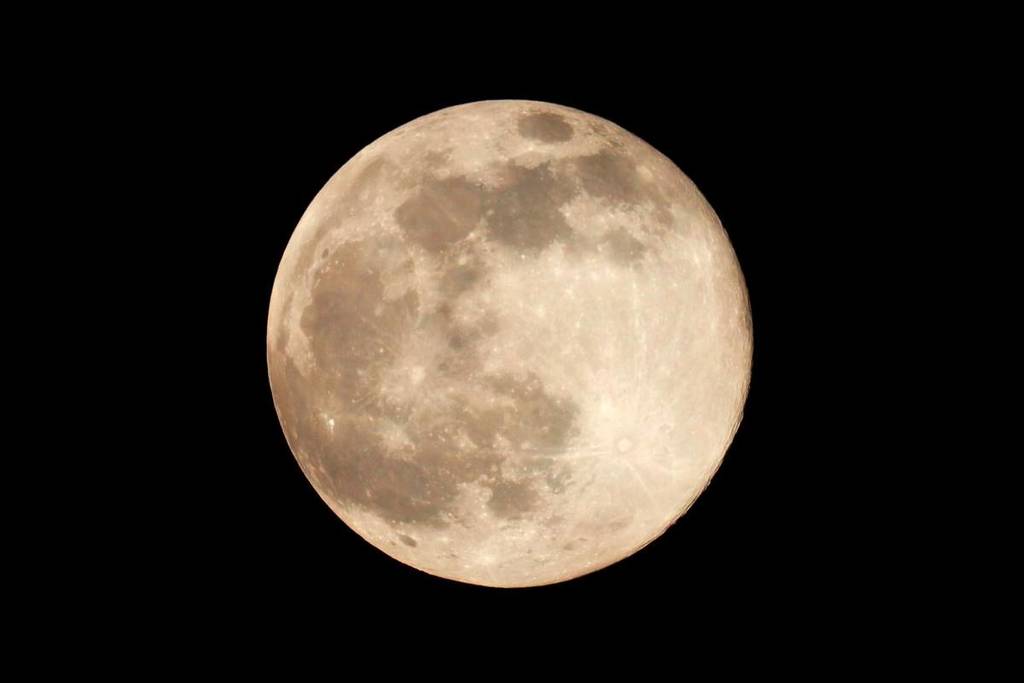
Despite appearances, this month’s full moon is actually smaller than usual. Known as a “micromoon”, it occurs when the moon reaches its apogee—the furthest point in its orbit from Earth—sitting just over 400,000 kilometres away.
According to NASA, that distance makes it appear roughly 5–10% smaller and slightly dimmer than a typical full moon. Still, most viewers won’t notice the difference.
Instead, the well-known “moon illusion” takes over near the horizon, making the rising moon appear oversized against buildings, coastlines and trees.
Weather Conditions Across Sydney
Weather conditions are expected to cooperate—at least initially. The Bureau of Meteorology forecasts partial cloud cover across Sydney on Friday evening, with heavier cloud expected to roll in over the weekend, making tonight the best chance to catch the lunar event.
The “Flower Moon” takes its name from Northern Hemisphere traditions, particularly among Algonquin peoples, marking a time when spring blooms reach their peak. While Australia heads into late autumn, the name has stuck—a reminder of the moon’s long-standing connection to seasonal rhythms around the world.
There’s Another Full Moon Coming…
And this isn’t the only lunar event on the calendar. May 2026 will deliver a rare double feature, with a second full moon—a “Blue Moon”—set to rise on 31st May.
For the best view tonight, Sydneysiders should head to low-light vantage points facing east—with coastal walks, beaches or open parklands—and keep an eye on the horizon as the moon makes its entrance. It may be a smaller moon, but it’s still worth stepping outside for.