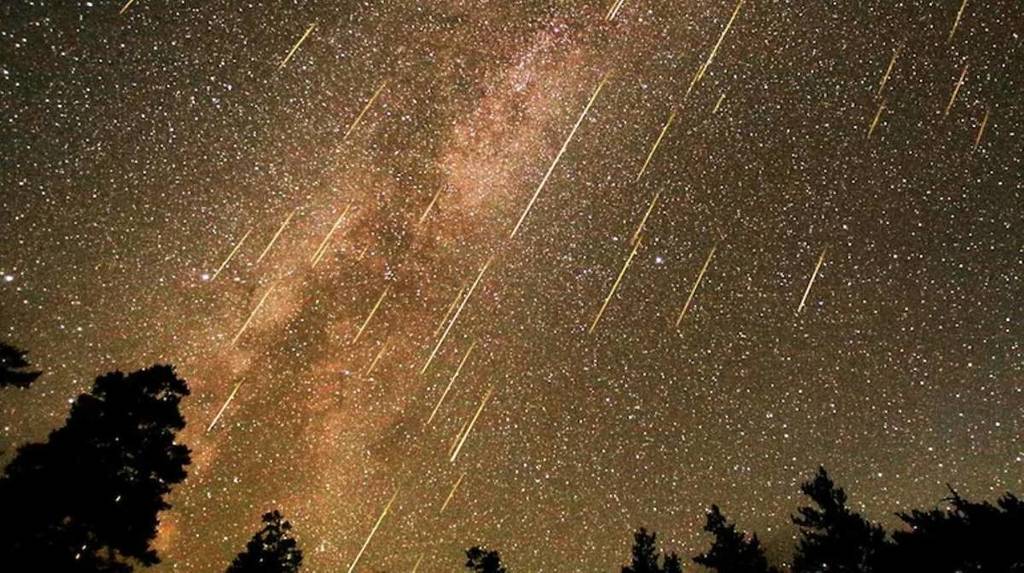

Sydney stargazers, your early-morning alarm is about to pay off. One of the fastest meteor showers of the year—the Eta Aquariids—is set to streak across NSW skies tonight and tomorrow morning, bringing flashes of light courtesy of Halley’s Comet.
The annual shower will peak in the pre-dawn hours of 6th-7th May, when patient viewers could catch dozens of meteors per hour under ideal conditions. While moonlight may soften the show slightly this year, it’s still shaping up to be one of the better celestial displays visible from Australia.
Behind The Comet’s Leftover Trail
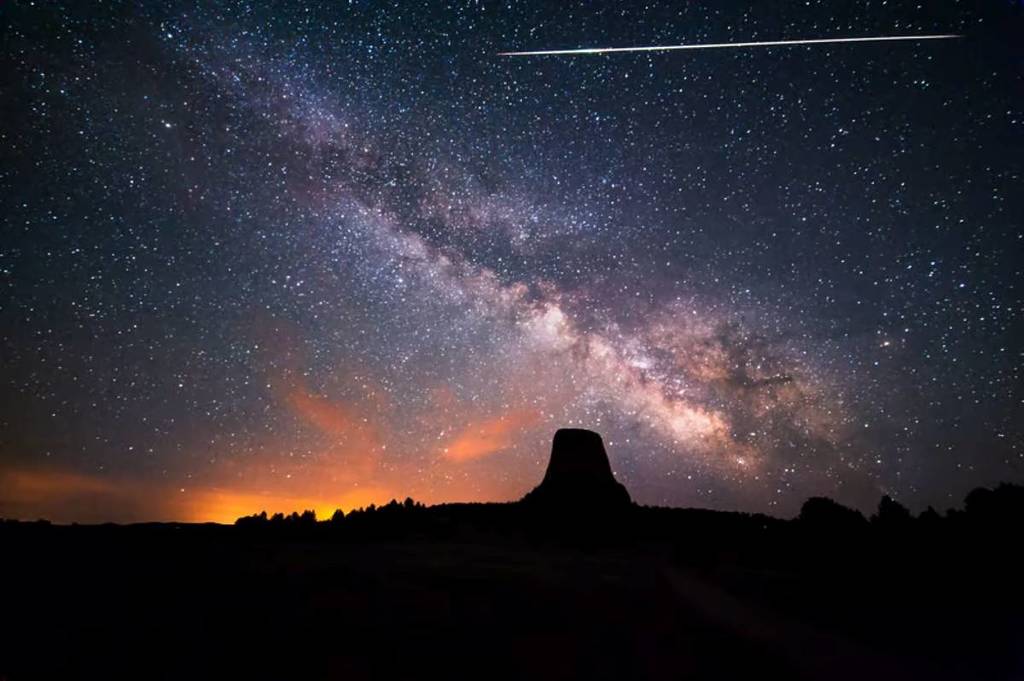
The Eta Aquariids occur when Earth passes through a stream of debris left behind by Halley’s Comet—a famous visitor that loops through the inner solar system roughly every 76 years. As those tiny fragments hit our atmosphere, they burn up and create bright, fast-moving streaks of light.
This meteor shower stands out for its speed. Eta Aquariid meteors travel at around 50 kilometres per second, often producing sharp, fleeting trails that can linger for a second or two. The shower takes its name from the constellation Aquarius, where the meteors appear to radiate from.
When To Watch Look Up In NSW?
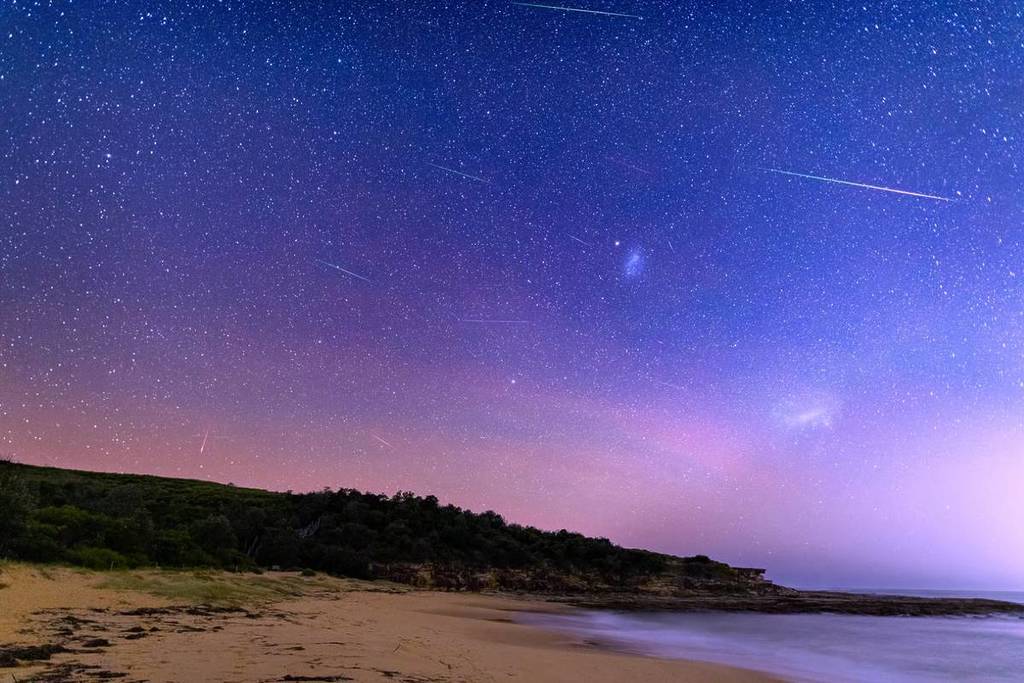
The shower runs from mid-April through to late May, but the peak viewing window for Sydney and NSW falls between the nights of 6th and 7th May 2026, with strong activity likely into the morning of 7th May.
For the best chance of seeing meteors, aim for the hours just before dawn—roughly 2am to 5:45am. That’s when the Aquarius radiant climbs higher in the eastern to north-eastern sky, increasing the likelihood of visible streaks.
According to forecasts, observers could see up to 50 meteors per hour in dark-sky conditions, though the presence of a waning gibbous moon may reduce that number.
Where To Catch The Shower From?
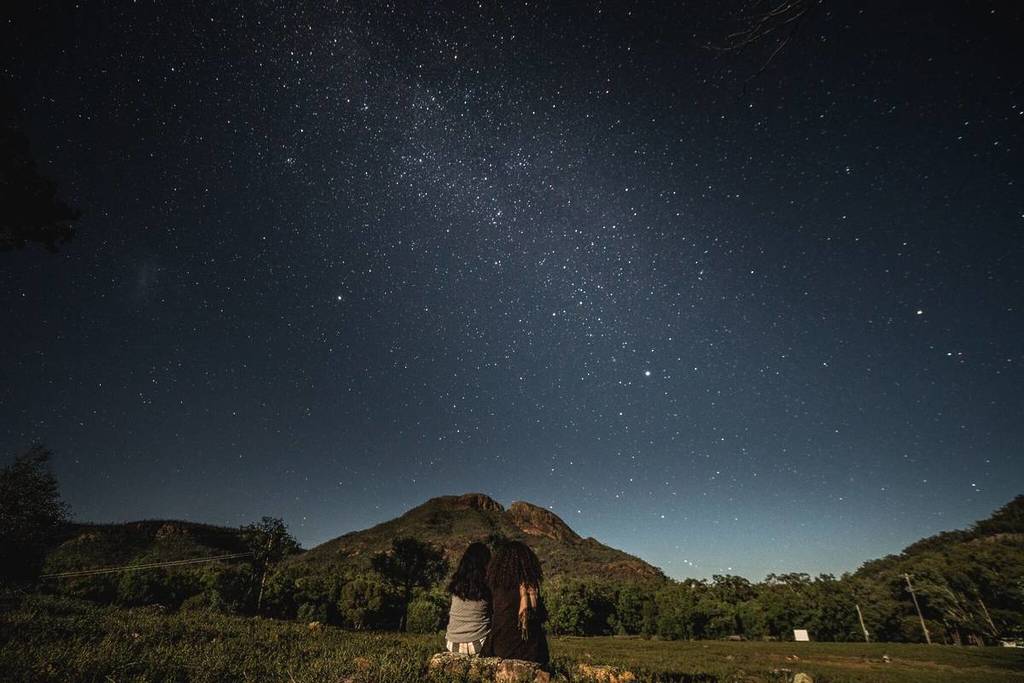
For viewing the Eta Aquarids in New South Wales, several dark-sky locations around Sydney and beyond offer excellent conditions away from urban light pollution. Warrumbungle National Park near Coonabarabran stands out as Australia’s first officially accredited International Dark Sky Park, renowned for some of the clearest, most star-filled skies in the country.
In the Blue Mountains, Govetts Leap Lookout delivers high-altitude, wide-open views above the city haze, creating ideal “black sky” conditions. Closer to Sydney, Ku-ring-gai Chase National Park features West Head Lookout, a remote peninsula vantage point just 45 minutes from the CBD where you can spot meteors rising over the eastern horizon.
To the south, Royal National Park includes Garie Beach, a coastal stretch where the southern horizon remains free of city lights, enhancing predawn viewing. In the Blue Mountains again, Linden Observatory provides a historic, purpose-built “black sky” site dedicated to astronomy, with minimal suburban glow and strong conditions for meteor watching.
Give your eyes at least 20 minutes to adjust to the dark, avoid checking your phone, and settle in somewhere comfortable—a blanket or reclining chair goes a long way. While the meteors appear to originate near Aquarius, they can flash anywhere overhead, so keep your gaze broad.
The Eta Aquariids are one of two meteor showers linked to Halley’s Comet—the other, the Orionids, appears in October—but for now, they offer New South Wales its best chance to catch a high-speed sky show. Just be ready to trade a bit of sleep for it.