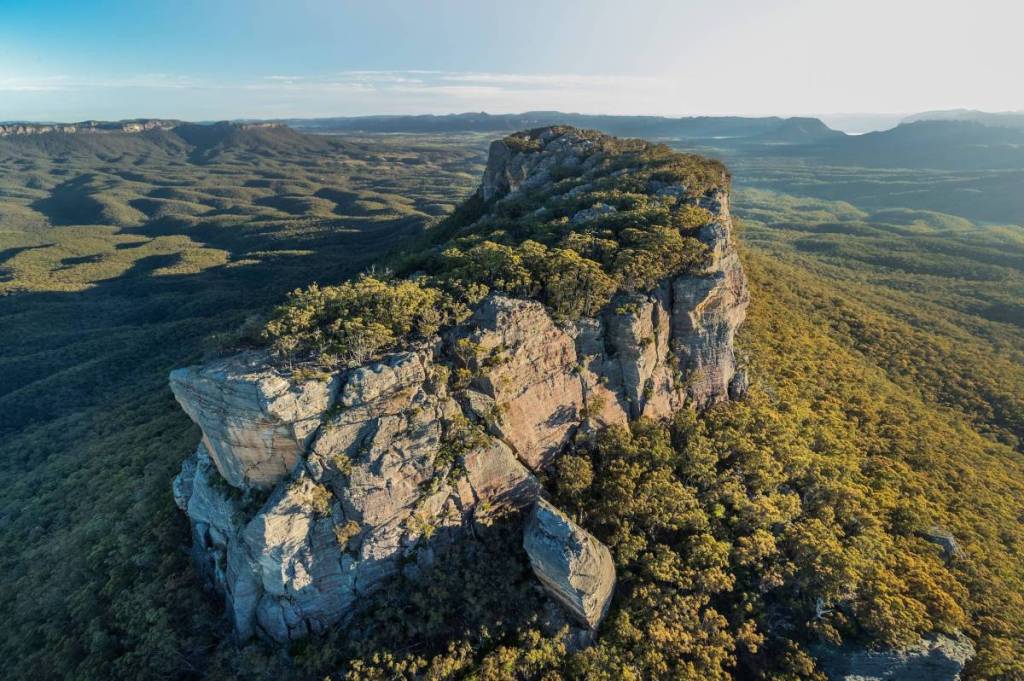

You don’t have to travel halfway around the world to discover landscapes that rival some of nature’s greatest wonders. Just a few hours from Sydney lies an extraordinary stretch of NSW countryside, with dramatic sandstone escarpments rising above an enormous valley that has drawn comparisons to Arizona’s famous Grand Canyon. Capertee Valley, located in the Central Tablelands, is regarded as the widest canyon in the world, with wild scenery, towering rock formations, sweeping mountain views and rugged wilderness stretching as far as the eye can see. Despite its impressive scale, it remains a surprisingly overlooked destination. Here’s why this remarkable corner of NSW deserves a closer look this summer.
What to see and do in Capertee Valley
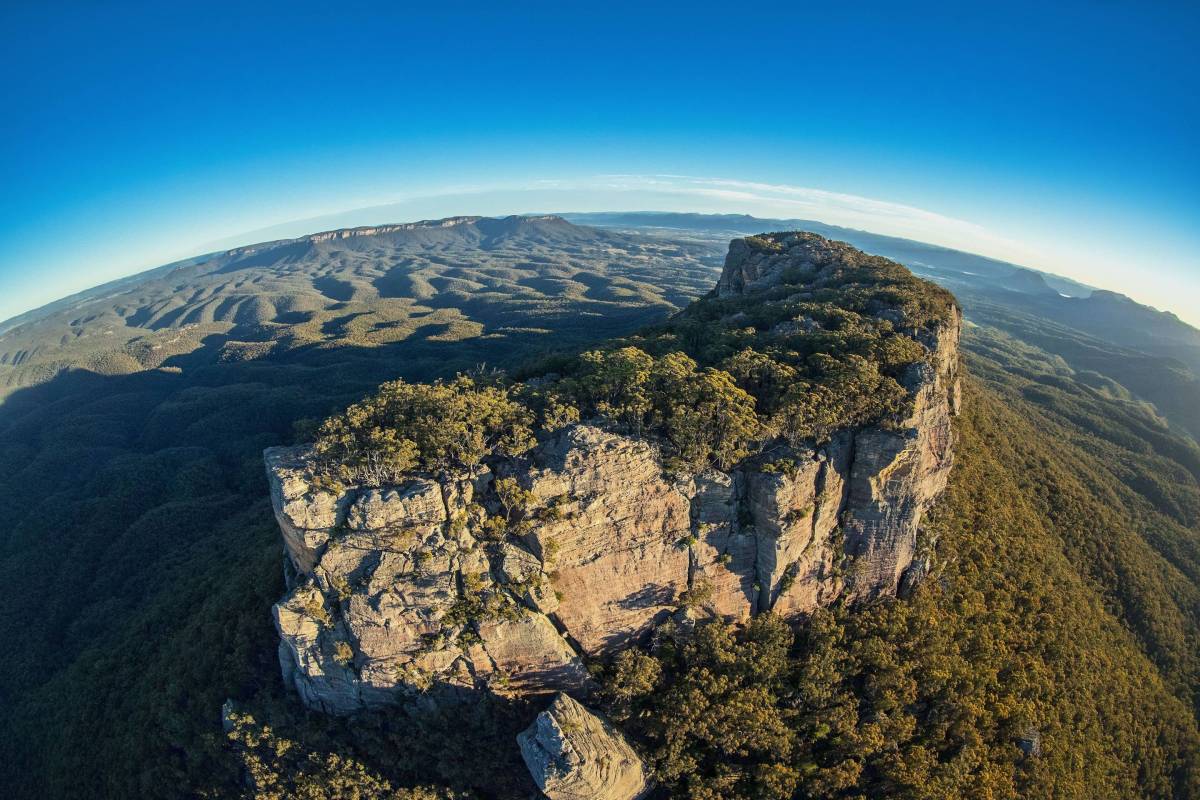
At roughly 30 kilometres across, Capertee Valley is said to be around one kilometre wider than the Grand Canyon in Arizona, although it doesn’t reach the same dramatic depths. Millions of years of geological change have shaped this remarkable landscape, with Pantoneys Crown one of its most recognisable landmarks, a striking, flat-topped rock formation rising from the valley floor.
One of the best places to appreciate its dramatic scale is Pearsons Lookout, just south of Capertee village, with panoramic views across the valley towards Pantoneys Crown. For a closer perspective, visitors can explore Capertee National Park, with scenic drives and opportunities to encounter native wildlife. The park’s Valley Lookout is another rewarding stop, offering views across the Capertee River Valley without requiring a strenuous hike.
The valley is also particularly rewarding to explore by car, with tranquil country roads winding past farmland, tiny villages and stretches of bushland. The drive towards Glen Davis reveals a different perspective of the surrounding cliffs, while the wider region is home to kangaroos, wallabies and other native wildlife. Capertee Valley is also one of the state’s best-known birdwatching destinations, with more than 240 recorded bird species, including the critically endangered regent honeyeater. Its woodlands and river flats attract birdwatchers hoping to spot some of Australia’s rarest native birds.
Key features
- Location: Capertee Valley, Central Tablelands, NSW
- Entry: Free to visit; camping and accommodation fees may apply
- Best time to visit: Spring and autumn for generally milder conditions, summer for camping and stargazing
- Access: Some national park roads are unsealed; check conditions before travelling
- Important: Capertee National Park has a locked entrance gate. Contact NPWS for the access code before visiting
- Facilities: Limited in remote areas; bring drinking water, food and sufficient fuel
Find more information about Capertee Valley on NSW National Parks and Wildlife Service.
Getting there
Capertee Valley is around a 3-hour drive from Sydney. Follow the Great Western Highway through the Blue Mountains to Lithgow, then take the Castlereagh Highway towards Capertee village. From there, Glen Davis Road leads into the valley. Driving is the most convenient option. If you’re taking public transport, trains run from Sydney to Lithgow with connecting bus services to Capertee village. Plan your trip on Transport for NSW.