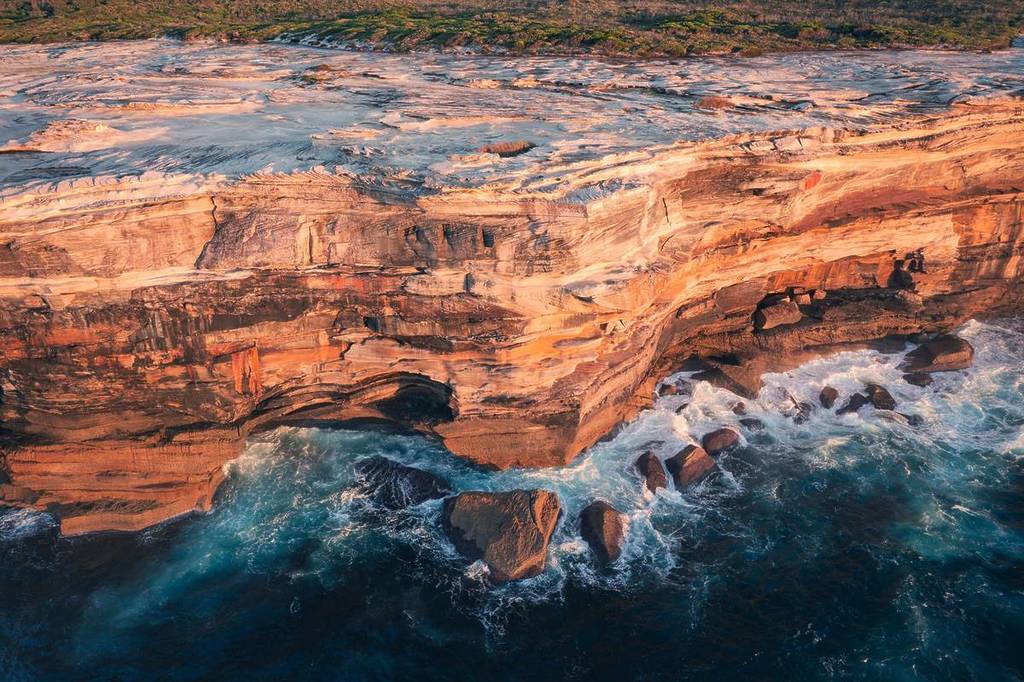

The 2026 whale migration season has officially kicked off along the New South Wales coastline, and with more than 40,000 whales expected to travel past the state over the coming months, thousands of people will once again flock to lookouts, beaches and headlands in the hope of catching a glimpse. While popular whale watching spots like Palm Beach and Royal National Park often draw the biggest crowds, one of Sydney’s most rewarding viewing locations remains surprisingly under the radar. Tucked away in Kamay Botany Bay National Park, the Cape Baily Walking Track combines dramatic clifftop scenery, turquoise ocean views and a historic lighthouse with some of the best whale watching in the state. In fact, NSW National Parks and Wildlife Service recently named it one of the top coastal walks in NSW for spotting migrating whales. Here’s everything you need to know about the trail.
Cape Baily Walking Track
Starting directly from the carpark near the Cape Solander whale viewing platform in Kurnell, the trail offers two distinct walking options depending on how much time you have. You can choose the full 8km return journey — a peaceful 3-hour trek — or opt for a shorter, more manageable 4km one-way walk that wraps up at Potter Point. Classified as a Grade 2 track, the terrain is relatively flat and manageable for most fitness levels, though it lacks wheelchair access.
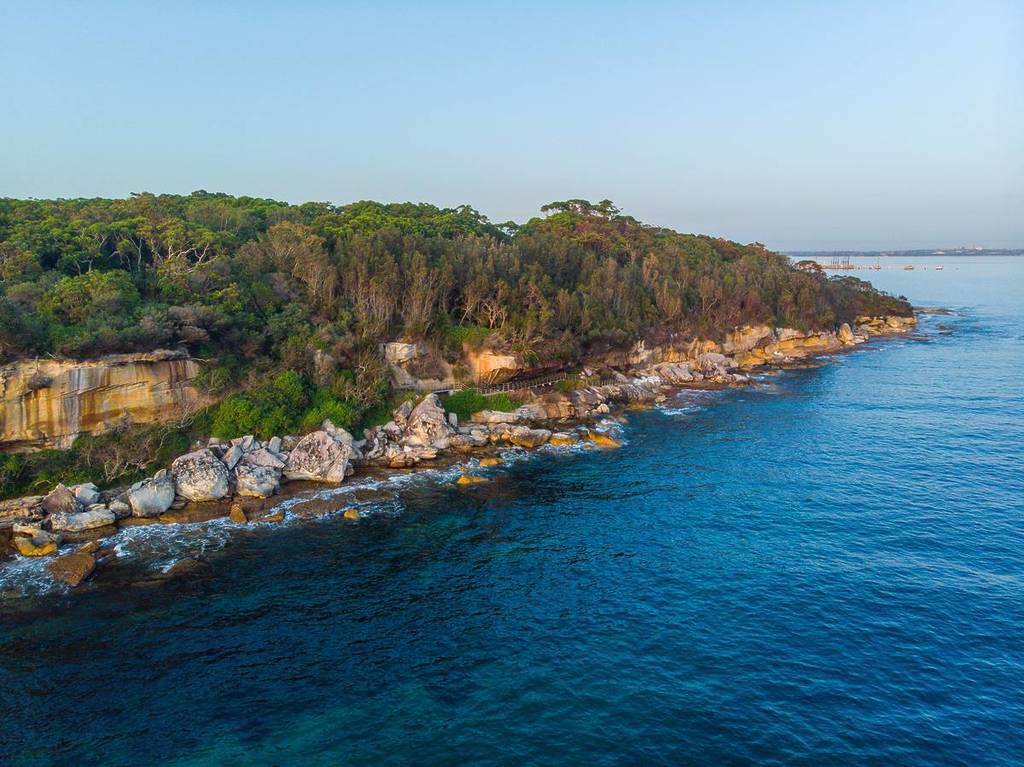
Along the way, hikers are treated to dramatic sandstone cliffs, wild ocean views, abundant local wildlife and pockets of coastal heathland lined with native wildflowers. One of the standout landmarks along the walk is Cape Baily Lighthouse, a distinctive white tower perched on the headland that has guided ships along the coast since the 1950s.
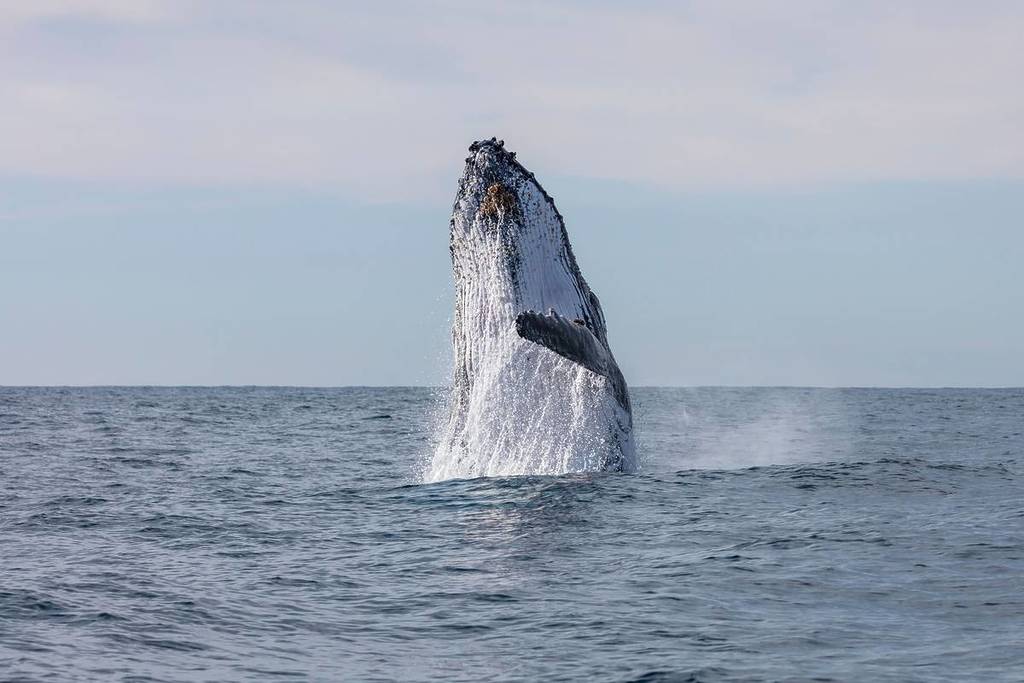
As for whale sightings, humpbacks are known to travel incredibly close to the shoreline here, sometimes passing just 200 metres from the cliffs. While the official migration runs from May to October, the absolute peak of activity occurs during June and July. You’ll also want to keep an eye open for resident pods of dolphins and various seabirds.
Key features
- Location: Kurnell area, Kamay Botany Bay National Park
- Starting point: Cape Solander whale watching platform
- Distance: 8km return (or 4km one way to Potter Point)
- Time: Approximately 3 hours return
- Difficulty: Easy
- Trail grade: Grade 2
- Best time to visit: May to October during whale migration season
- Highlights: Cape Baily Lighthouse, sandstone cliffs, coastal heathland, whale and dolphin sightings
- Parking: Available at the Cape Solander carpark (national park entry fees apply)
- Facilities: Whale viewing platform nearby; the closest toilets are located at Commemoration Flat picnic area
- Good to know: There is very little shade and no drinking water available along the track, so bring plenty of water, sunscreen and sun protection.
Read more about the Cape Baily walking track and plan your visit on NSW National Parks and Wildlife Service.
Getting there
The trail is located within the Kurnell precinct of Kamay Botany Bay National Park, roughly a 40-minute drive south of the Sydney CBD. If you are travelling by car, follow Captain Cook Drive into Kurnell, turn onto Cape Solander Drive, and continue straight to the Cape Solander lookout carpark where the track officially begins. Public transport users can take the train from Central to Cronulla, transfer to the 987 bus to Kurnell, and get off at the corner of Captain Cook Drive and Cape Solander Drive to walk the remaining distance to the trailhead. Plan your trip on Transport for NSW.