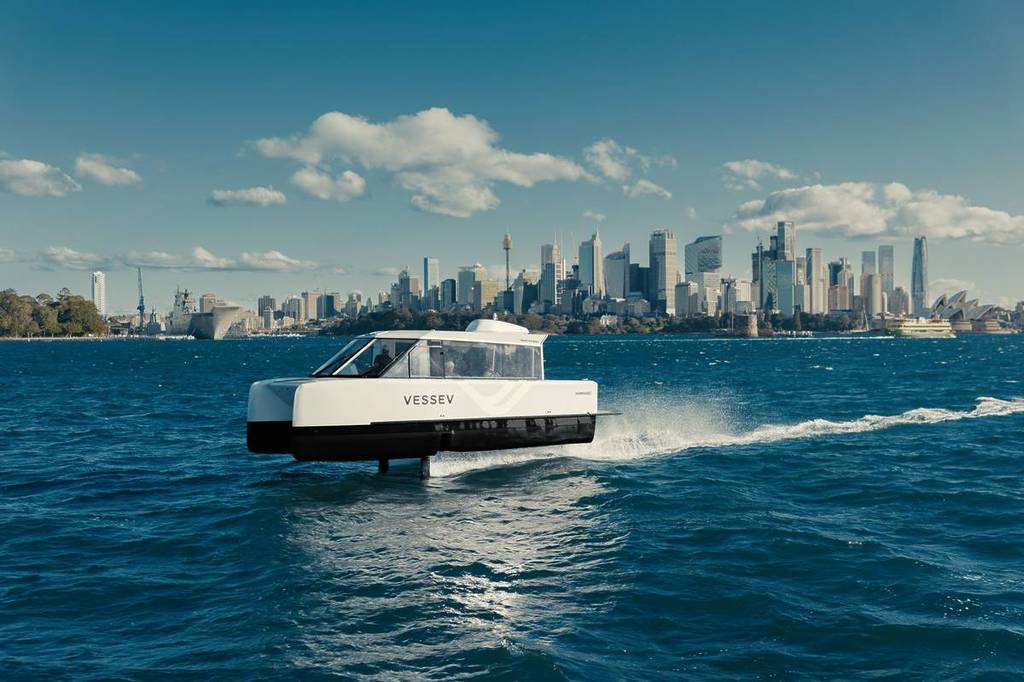

Sydney Harbour could soon welcome a futuristic new form of transport, with New Zealand marine technology company Vessev announcing plans to bring its electric hydrofoiling vessels to the city.
The company has signed a commercial agreement to deliver multiple VS–12 electric hydrofoiling vessels into Sydney, supporting a future water transport network that developers are currently building for Sydney Harbour.
The proposed network aims to complement existing public transport by increasing capacity on the harbour while reducing emissions, noise and shoreline impact.
A ferry that “flies” above water
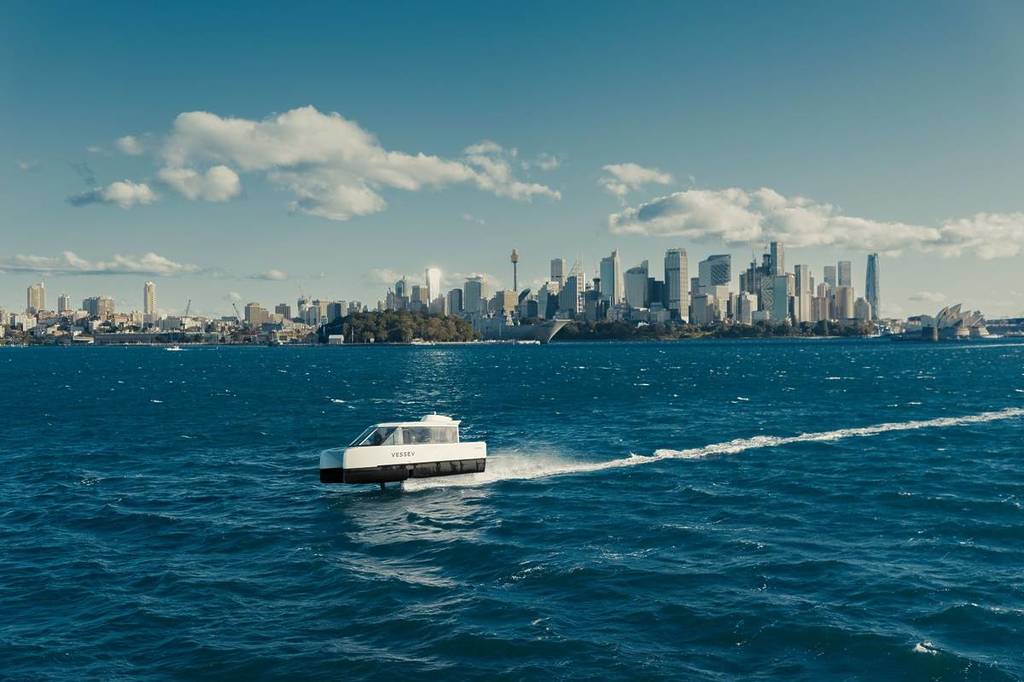
Unlike conventional ferries, Vessev’s vessels use carbon fibre hydrofoils to lift the hull above the water once they reach speed, allowing them to effectively “fly” across the harbour.
By reducing drag, the technology dramatically lowers energy consumption while delivering a smoother and quieter ride. It also produces virtually no wake, which helps minimise shoreline erosion and environmental impact—a significant advantage in a harbour surrounded by heritage-listed foreshore and national parkland.
The company’s existing VS–9 vessel is already operating commercially in Auckland’s Waitematā Harbour with New Zealand ferry operator Fullers360. The vessel can carry 10 passengers, reach speeds of up to 30 knots and travel up to 50 nautical miles on a single charge.
Australia’s ‘flying’ ferry plans
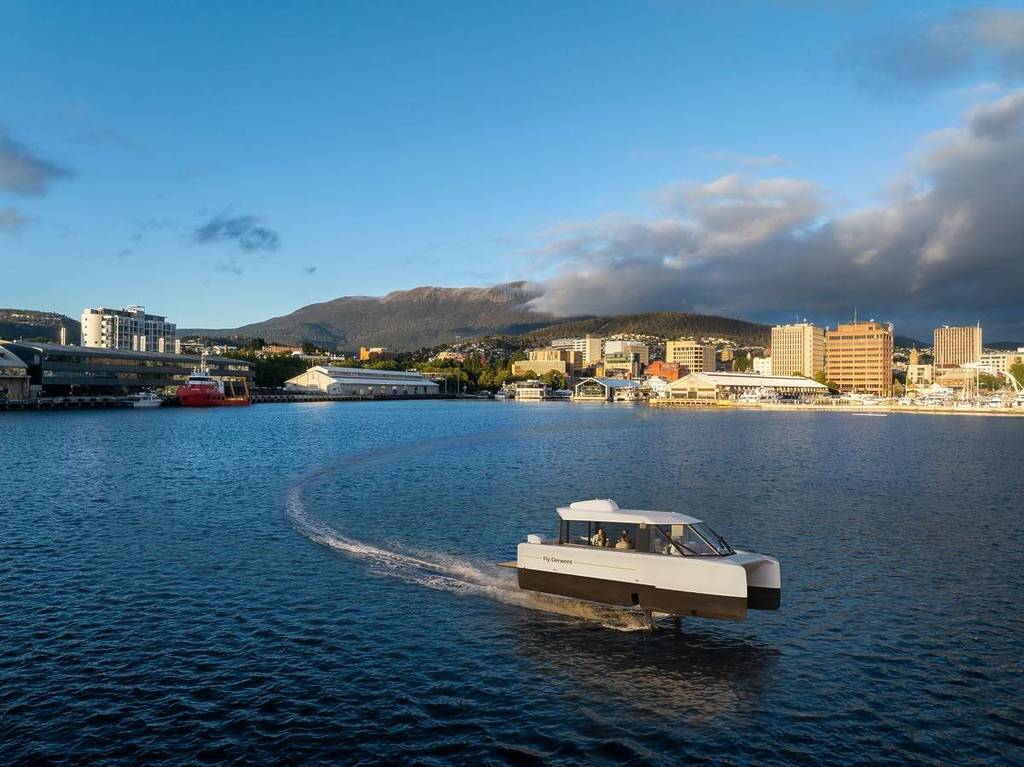
The Sydney agreement marks another major step in Vessev’s Australian expansion following recent partnerships in Perth and Hobart.
In Hobart, the company’s technology will support Fly Derwent, which will become Australia’s largest electric hydrofoiling transit network, reconnecting communities along the Derwent River. Meanwhile in Perth, Vessev vessels will operate on the Swan River through a partnership focused on tourism experiences, with teams also exploring future commuter applications.
According to Vessev CEO Eric Laakmann, the technology represents more than simply swapping fuel sources. “What we’re really talking about is a completely new model for how cities use their waterways and how people move, something much closer to a subway system on the water, with more routes, more departure points and more frequent services,” he said.
The company believes smaller, more agile vessels could help cities unlock underutilised waterways while supporting broader electrification goals.
The larger VS–12 is designed for Sydney’s public transport
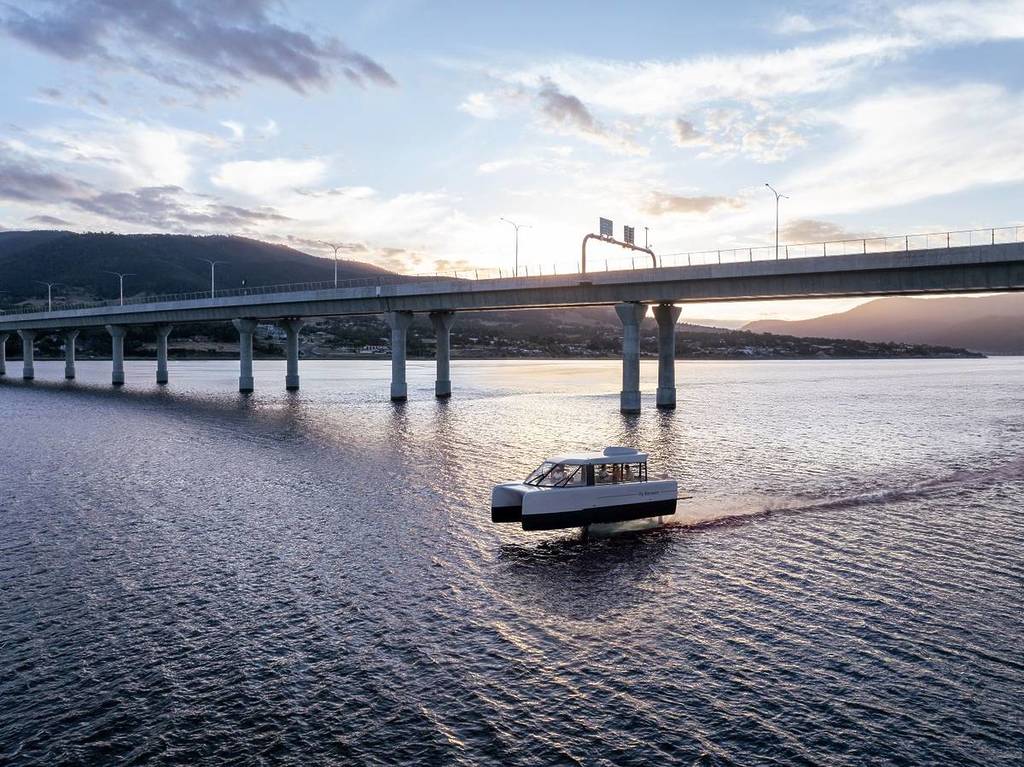
While Sydneysiders may have spotted images of the smaller VS–9, the newly announced Sydney network will be supported by Vessev’s larger VS–12 vessels.
The fully electric VS–12 has capacity for up to 30 passengers and builds on lessons learned from the commercially operating VS–9 platform. The design improves the efficiency and commercial viability of high-frequency passenger services, making it a potential fit for future urban transport networks.
With ferry demand continuing to grow and cities searching for cleaner transport solutions, Sydney Harbour could become a testing ground for a new generation of electric water transit.
For now, the announcement signals growing momentum behind hydrofoiling technology in Australia—and raises the possibility that one day, catching a ferry across Sydney Harbour might feel a little more like gliding across.